Have you ever wondered how TV made the leap from a clunky gadget to the smart screens we have today? It all started with fuzzy black-and-white images and grew into high-definition, internet-connected wonders. In this chat, we take you on a journey through those surprising steps that turned ordinary TV into a tech powerhouse in our living rooms.
We’ll dive into the key breakthroughs over the decades, showing how early innovators sparked a revolution that reshaped not only our homes but also how we watch our favorite shows. It’s a cool reminder of how far we’ve come, and it might even make you smile at the thought of that first flicker on the screen.
TV Evolution Timeline Overview
Television went from being a weird lab experiment to a must-have in almost every home. Early visionaries used electron beams to capture moving images, and that spark of genius set the stage for everything that followed. Back then, experimental gadgets captured our imagination and completely changed how we talked to each other.
Early on, innovators really pushed the boundaries. Philo T. Farnsworth surprised everyone by launching the first electronic television in 1926, and soon after, fully electronic CRT sets appeared in places like Germany, the U.K., and the U.S. Things got really exciting in 1949 when Philips stepped in, and by the 1950s, we saw remote controls and trichromatic color TVs making their debut. Fast forward a bit, and TV went from simple black-and-white portable sets to high-definition, smart, and internet-connected screens that make watching our favorite shows a breeze.
| Era | Years | Key Developments |
|---|---|---|
| 1920s–30s | 1926, 1934–38 | First electronic TV and early fully electronic CRT sets |
| 1940s–50s | 1949, 1950/55 | Philips’ market entry, wired and wireless remote controls, trichromatic color TV |
| 1960s–80s | 1960, 1969 | Sony’s portable black-and-white set, first live color broadcast at Eurovision |
| 1990s–Present | 1994–2011 | HDTV, flat-screen plasma, 3D TV, edge-lit LED, and Smart TVs |
This timeline shows how TV has grown from clunky, experimental devices into the slick, interactive systems we enjoy today. The table above sums up some of the coolest milestones in TV history, highlighting how we've moved from fuzzy, black-and-white pictures to crisp visuals, lively colors, and smart features that make watching shows feel like a real event.
Early Black-and-White TV: Analog Broadcast Beginnings

Back in the 1920s, ideas from wireless telegraphy and radio sparked the dream of television. Inventors experimented by turning radio signals into moving pictures, much like the excitement of seeing your favorite cartoon come alive for the first time. It all began with flickering black and white images hinting at a bigger, brighter future.
The BBC really stepped up in 1936 when it started regular programming. This was a major move that helped turn TV into a household staple. Even though World War II slowed progress a bit, those early broadcasts opened a window for viewers, making the idea of a moving picture in the living room something truly magical.
In the United States, TV was just starting out with only three main channels and strict sign-off routines, marked by the playing of The Star-Spangled Banner. And over in Spain, television made its debut in 1956, wowing early audiences with its clear, monochrome images. These humble beginnings paved the way for the TV experience we enjoy today.
Color Television Emergence and Adoption
Back in 1954, TV really took a giant leap when a new system mixed red, green, and blue lights to create full-color pictures. This breakthrough turned everyday viewing into a vibrant, lifelike experience.
By the mid-1960s, networks were making the switch from black-and-white shows to colorful ones, slowly letting more people enjoy the magic of color. Then, in 1969, TVE’s live color broadcast of the Eurovision Song Contest in Spain showed off just how exciting live events could be when seen in full color.
- First color sitcom: A show that broke new ground by delivering humor in bright, bold color.
- First color news broadcast: Live news became even more energetic and real with natural hues.
- First color sports event: Athletes and stadium scenes came alive, making every game feel epic.
- First color drama: Emotional stories gained a deeper layer with every rich, vibrant scene.
- First color variety show: A mix of music and comedy lit up the screen in unforgettable visuals.
Color TV changed more than just the pictures on screen, it reshaped our everyday watching habits. Families began to gather around the TV to share dramatic stories, festive specials, and moments of genuine laughter in a way that black-and-white just couldn’t match. It was a cultural milestone that we still remember today.
Flat-Screen and Display Breakthroughs
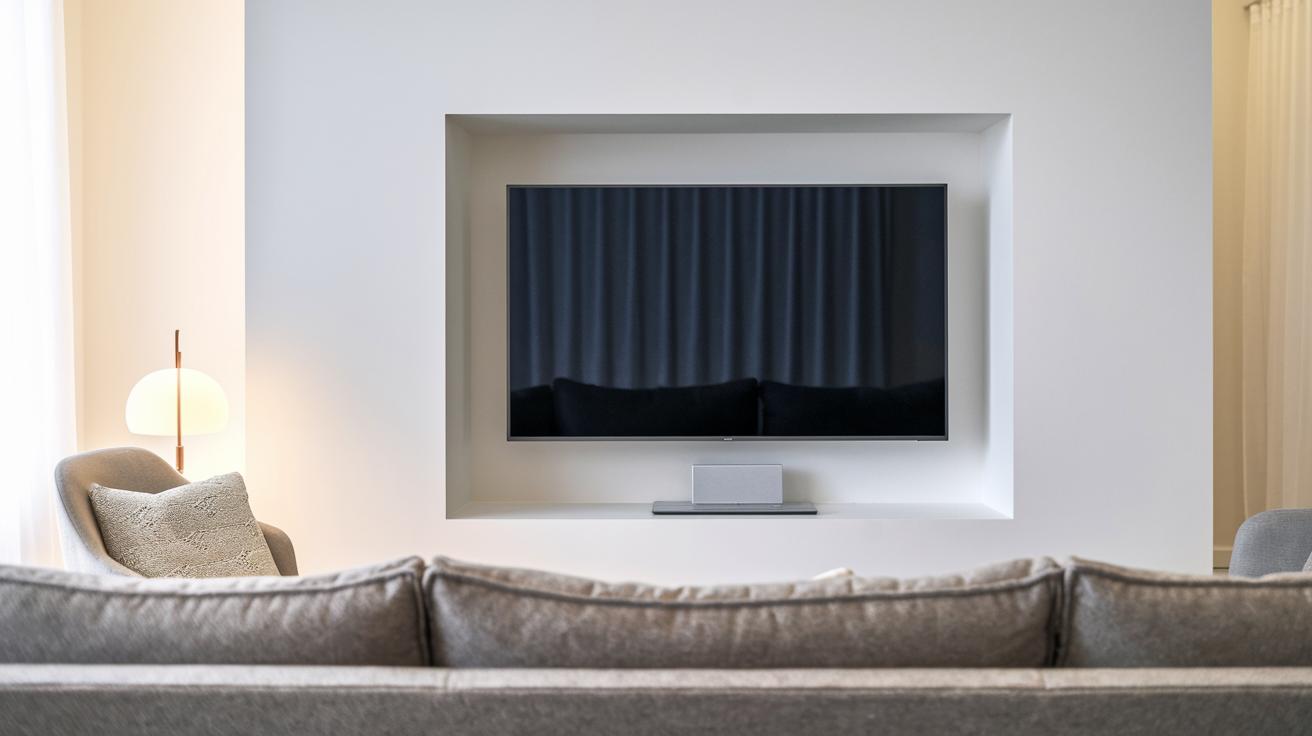
Remember when bulky CRT TVs were the go-to? Then, in 1997, Philips changed the game with a 42″ plasma TV that gave us a sneak peek of modern viewing. Suddenly, those clunky tubes were swapped for slim, flat designs that fit right into today’s homes. It was all about enjoying a bigger picture without using up all your space.
Then came HDTV in 1994, turning good clarity into something totally crisp by offering six times the resolution of standard screens. Imagine watching your favorite shows with such sharp detail that it almost feels alive. Soon enough, high-definition displays became the heart of every living room, creating that perfect home theater vibe.
After that, LED technology took the spotlight. In 2008, Hyundai launched a 46″ 3D TV with a resolution of 1920×1080, drawing us into a more immersive viewing experience. By 2009, Samsung’s edge-lit LED TV was wowing everyone with its ultra-thin design and vibrant, lifelike colors. It was a real treat for tech fans everywhere.
Now, research into OLED and quantum-dot displays is hinting that even brighter, more energy-efficient screens are on the horizon. Who knows? In just a few years, our screens might get a whole lot more amazing!
Smart TV Advancements and Streaming Media
Remember when TVs were just plain boxes? Back in the 2000s, they started trying to connect to the internet, and suddenly, watching TV got a whole lot more interesting. By 2011, the first Smart TVs hit the market with built-in apps and web browsers. It was like having a tiny computer in your living room, letting you switch between live TV and on-demand shows with ease.
Then came the cool twist with streaming services. IPTV (that’s TV delivered over the internet) and OTT (streaming directly through the web) gave us the freedom to watch our favorite shows whenever we wanted. Plus, digital signage using IoT connected different devices to serve up content that feels just right for you.
Before you know it, our evenings changed completely. Gone were the days of waiting for a scheduled show sign-off. Now, binge-watching is practically an art form, making TV a non-stop, on-demand experience. Seriously, it’s like having your own personal movie theater at home!
Design Evolution in Television Sets

Back in 1950, Zenith kicked off the remote control journey with its wired "Lazy Bones." This nifty gadget started the idea of controlling your TV without getting up. Then, in 1955, developers introduced the first wireless remote with four light sensors, making it super easy to switch channels from anywhere in the room.
At first, TVs came in bulky wooden consoles that set the classic look of the time. In 1960, Sony surprised everyone with a portable 8″ television that weighed nearly 6 kilograms and worked on both battery and main power. These early sets, while practical, helped shape how we think about home entertainment, a solid, well-designed device that was built to last.
Soon, consumer tastes pushed for sleeker and more modern designs. TVs evolved from ornate wooden frames to chic, bezel-less screens that hang perfectly on any wall. With bigger screens and thinner borders, watching your favorite shows became a more immersive and stylish experience. It’s clear that user needs and smart design choices transformed TVs into the refined devices we enjoy today.
Final Words
in the action, we jumped through each major moment of TV evolution, from the early analog sets and monochrome broadcasts to color magic and sleek, modern designs.
We traced the progress of remote controls, screen breakthroughs, and smart tech that reshaped how we watch our favorite shows. It's exciting to see how far we've come, and as tv evolution continues to move forward, there's so much more to enjoy in our ever-changing screenscape.