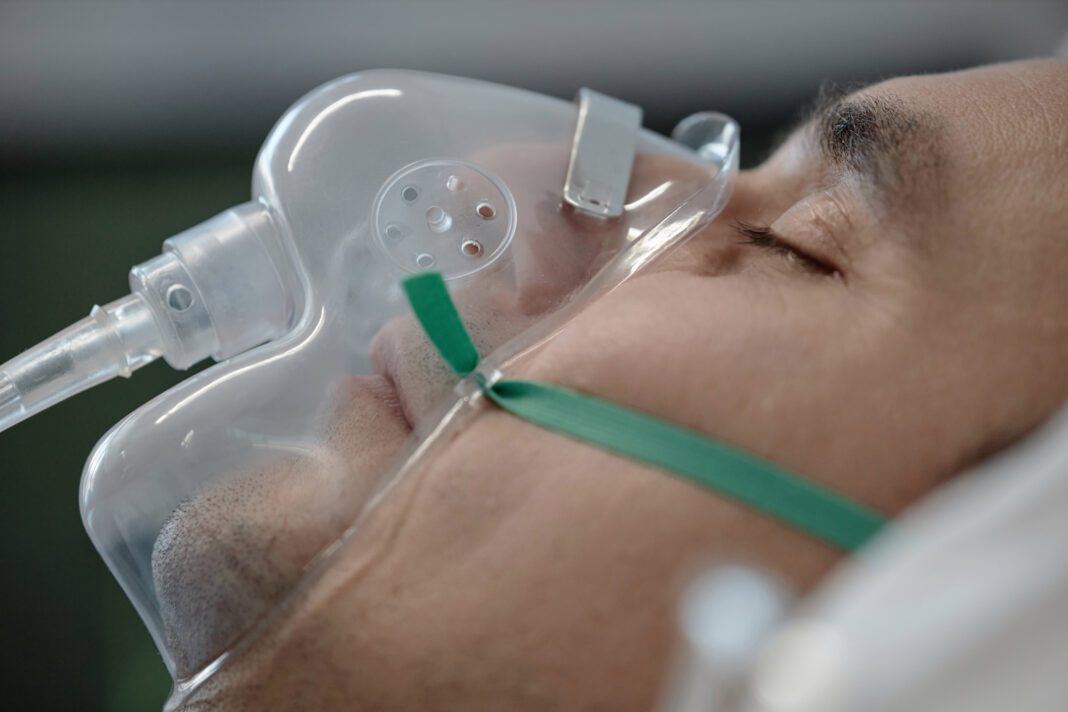
Finishing radiation treatment marks a significant milestone in any cancer journey. Yet for many patients, the effects of radiation don’t end when treatment does. Damaged tissue, lingering pain, and slow-healing wounds can persist for months or even years afterward, a condition often called late radiation tissue injury. Fortunately, hyperbaric oxygen therapy has emerged as a valuable tool for helping the body recover from these lasting effects.
Understanding Radiation’s Impact on Tissue
Radiation therapy works by targeting and destroying cancer cells, but it can also affect the healthy tissue surrounding the treatment area. Blood vessels in these areas often become damaged, reducing their ability to deliver oxygen and nutrients efficiently. Over time, this reduced blood flow can lead to tissue that struggles to repair itself, becomes fibrotic, or breaks down entirely.
This damage doesn’t always appear right away. Some patients notice symptoms during treatment, while others develop complications months or years later. Common issues include chronic wounds, bone deterioration, skin changes, and tissue death in areas that received radiation. These complications can affect quality of life significantly, causing pain, limiting mobility, or leading to further medical complications.
How Oxygen Therapy Supports Healing
Hyperbaric oxygen therapy involves breathing pure oxygen in a pressurized chamber, allowing the bloodstream to carry significantly more oxygen than it would under normal atmospheric conditions. This process floods the body’s tissues with oxygen, even in areas where blood vessels have been damaged by radiation.
The increased oxygen availability triggers several beneficial processes. It encourages the formation of new blood vessels in damaged areas, a process called angiogenesis. This helps restore proper circulation to tissue that has been struggling due to radiation damage. Additionally, higher oxygen levels support the activity of cells responsible for tissue repair and regeneration, helping wounds close and damaged areas heal more effectively.
Oxygen therapy also helps fight infection, which is particularly important for patients dealing with chronic wounds. Enhanced oxygen levels boost the function of white blood cells, giving the immune system a better chance at combating bacteria that might otherwise complicate the healing process.
Conditions That May Benefit
Several radiation-related complications have shown positive responses to oxygen therapy. Osteoradionecrosis, a condition where bone tissue dies due to radiation damage, is one of the more well-documented applications. Patients with this condition often experience pain and exposed bone, and oxygen therapy can help promote healing and reduce the need for more invasive interventions.
Soft tissue damage is another area where this therapy shows promise. Patients who develop non-healing wounds, skin ulcers, or tissue breakdown following radiation for various cancers may find relief through treatment. This is especially relevant for those who received radiation for head and neck cancers, breast cancer, or pelvic cancers, as these areas are particularly susceptible to long-term tissue complications.
Some patients also pursue oxygen therapy before undergoing dental procedures or surgeries in previously irradiated areas. Because radiation can compromise the body’s ability to heal from additional trauma, this therapy may help prepare tissue for these procedures and reduce complication risks.
What to Expect From Treatment
Oxygen therapy typically requires multiple sessions to achieve meaningful results, often spanning several weeks. Each session generally lasts a couple of hours, during which patients rest comfortably inside a specialized chamber. The treatment itself is generally well-tolerated, though patients may experience temporary ear pressure changes similar to those felt during airplane travel.
Before beginning treatment, patients typically undergo an evaluation to determine whether they’re good candidates for this therapy. Not every case of radiation damage responds the same way, and factors like the location and severity of tissue damage play a role in expected outcomes.
Moving Forward After Radiation
Recovering from the lasting effects of radiation therapy requires patience and often a combination of treatment approaches. Oxygen therapy represents one option among several that healthcare providers may recommend for patients dealing with persistent tissue damage. For those struggling with slow-healing wounds, bone complications, or other radiation-related issues, discussing this therapy with a healthcare provider can open the door to a treatment path focused specifically on tissue repair and improved quality of life.
Life after treatment doesn’t have to mean living with permanent complications. With the right support and medical guidance, many patients find meaningful improvement in their symptoms and overall well-being.