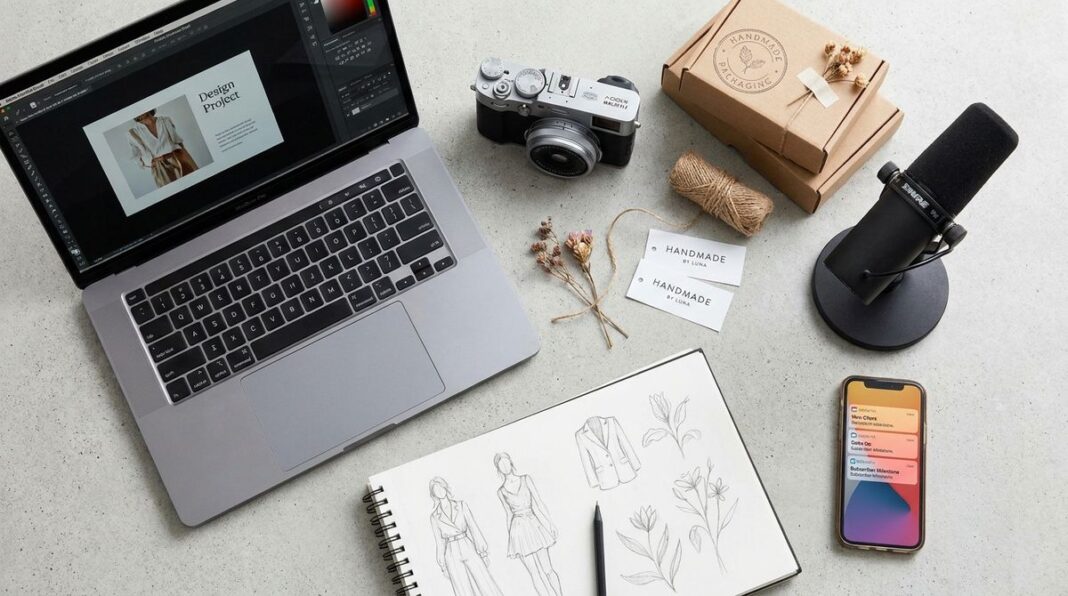
Running a clothing boutique involves a surprising amount of practical equipment, and the shopping list grows quickly once the first racks arrive. Many new owners start with a wide range of gadgets, displays and packaging supplies that look impressive in a catalog but seldom earn their keep during a busy weekend. A sensible kit is smaller than it first appears. It centers on the tasks that happen every single day, such as fitting, pressing, storing, labeling and keeping accurate records.
The good news is that most of the essentials cost very little and can often be found in a well-stocked home or office. What matters more than the purchase price is how each item fits into the daily routine of the shop. The guidance below walks through the pieces that deserve a place on the floor, the extras that can wait, and the habits that stretch a modest set of tools a long way. Treat it as a planning checklist for the early months rather than a shopping spree.
Fitting Room Basics That Earn Their Place
The fitting room is where most sales are won or lost, so it deserves the first share of your budget. A full-length mirror placed at a slight angle, so that shoppers can see the back of a garment, is worth more than any decorative frame. Add a small stool, a sturdy hook at shoulder height and warm lighting that keeps fabric colors true to life. Readers may also want to visit al-thai.com. Keep a lint roller and a basic sewing kit near the register so that small repairs can be made before a customer leaves the shop.
Steaming and Pressing Without a Big Investment
A handheld steamer is usually the one piece of equipment a boutique cannot do without, because wrinkled stock looks careless on a rack and discourages a closer look. Choose a model with a steady water tank and a switch that is easy to reach while you hold a garment, then test it on the fabrics you sell most often. A full ironing board is optional for most small shops that only press a few items each week. You can also visit pindnews.com for more reading. Skip commercial steam tables unless your daily volume clearly justifies the cost and the floor space they demand.
Storage and Display Pieces Worth Keeping
Storage works best when it can change along with your stock, so look for shelving and rails that can be moved without special tools. For a related read on this site, see First Aid and Wellness Supplies for Workplaces. Sturdy wooden hangers keep jackets in shape over time, while slim velvet hangers stop lightweight tops from slipping off during a busy afternoon. Clear bins with lids protect accessories and seasonal pieces from dust and stray light. Avoid display props that need constant dusting or special lighting, because they tend to end up in a storeroom after the first few weeks of trading.
Labels, Tags and Stock Records
Price tags and size labels sound minor until a customer asks for a medium in a color you no longer carry. A simple label printer or a pack of printed tags covers most needs for a new shop, and a shared spreadsheet on one computer keeps the counts honest. Record every delivery on the day it arrives, including the supplier name, the garment code and the cost of each piece. Owners who keep these notes spend far less time searching through boxes and far more time speaking with shoppers. Pick one labeling system and stick with it, because switching methods halfway through a season creates confusion for the whole team.
Expensive Extras You Can Safely Skip
Several items look professional in photographs but add very little to everyday trade. Custom mannequins with printed faces rarely sell more clothing than a well-dressed rack, and they cost more than most early inventory. Fancy shopping bags with heavy foil finishes can usually be replaced by simple paper bags with a neat sticker, at a fraction of the cost. Automated scent diffusers and large wall screens tend to be installed with enthusiasm and then ignored by staff after a few weeks. Wait until your sales records point to a real gap before you spend money on anything in this group.
Build the Kit One Piece at a Time
Start with the fitting room, a reliable steamer, adaptable storage and a simple labeling routine. Add other pieces only when a real problem shows up on the shop floor. A small, well-chosen kit tends to outperform a crowded one because staff know exactly where everything lives, and that pace keeps cash free for the stock customers actually want to buy.