Living well is rarely an isolated pursuit. While individual determination matters, sustaining healthy everyday choices becomes far more manageable when the people around you share similar intentions. Modern routines often leave little room for spontaneous connection, and personal health goals can easily slip beneath the weight of daily responsibilities. Creating a local group centered on proactive well-being offers an approachable way to bridge that gap. By gathering neighbors or nearby friends together, you create a supportive environment where staying active, eating thoughtfully, and managing daily stress feel natural rather than burdensome.
A neighborhood wellness circle is not an intense fitness boot camp or a strict accountability group. Instead, it is an informal, collaborative collective of people who live near one another and decide to prioritize vitality through mutual encouragement. Whether you meet for quiet morning strolls, exchange home-grown herbs, or simply share practical wellness ideas, these simple shared habits cultivate resilience. Transforming a casual neighborhood friendship into a dependable source of encouragement takes only a little initial initiative, clear boundaries, and a shared commitment to consistent care.
Clarifying Shared Intentions and Preventive Habits
Every successful community project begins with clarity about what members hope to achieve together. When starting a neighborhood group, gather a few interested neighbors for a casual conversation on a porch or at a local park. Ask everyone about their general wellness interests, such as finding time for movement, discovering better sleep habits, or learning to prepare simpler home-cooked dishes. Rather than waiting for illness or fatigue to force lifestyle adjustments, a proactive group focuses on steady, everyday habits that safeguard long-term vitality.
Focusing on proactive habits rather than reactive remedies shifts the entire group dynamic toward encouragement and sustainable living. When members prioritize daily rest, hydration, balanced meals, and regular physical activity, they actively reduce everyday health hurdles before they escalate. Exploring educational resources like 4thecure.com helps members discover practical guidance on common concerns and understand how everyday prevention supports lifelong wellness. When everyone shares a clear understanding of basic preventive principles, group discussions remain grounded in practical, low-stress habits that anyone can adopt at home.
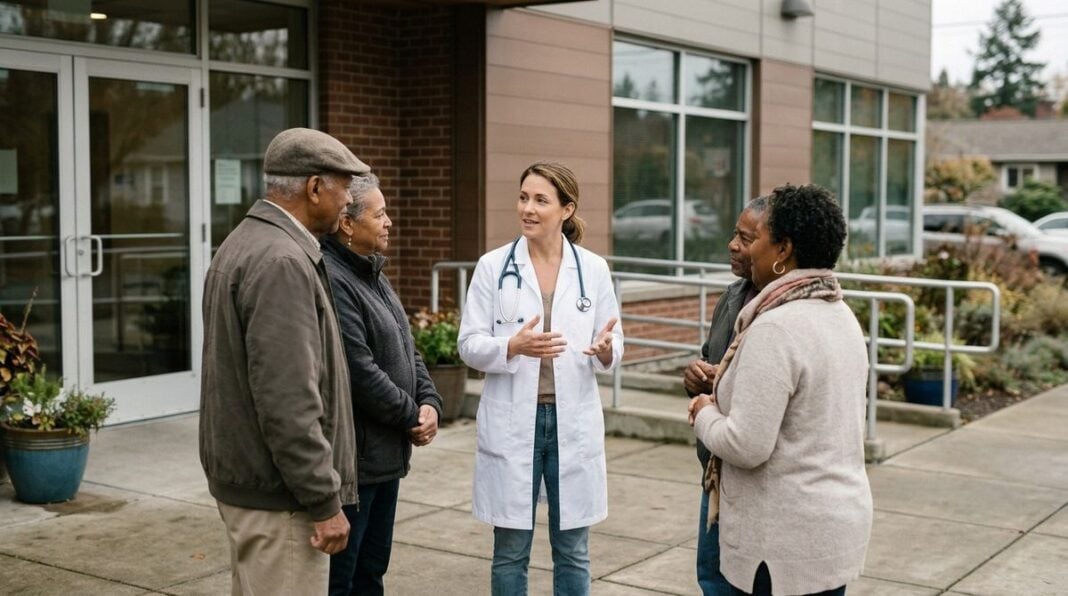
During these initial conversations, establish an open and nonjudgmental environment. People enter wellness circles with diverse comfort levels, schedules, and physical capabilities. Emphasize that your circle is not a forum for medical diagnosis or rigid rules, but rather a safe space for positive lifestyle encouragement. Agreeing early on that participation is flexible ensures that nobody feels overwhelmed or excluded as the group grows.
Organizing Accessible Weekly Movement and Meetups
Physical movement serves as an ideal anchor for any wellness circle because it naturally facilitates conversation while invigorating the body. Rather than organizing strenuous workouts that may intimidate beginners, focus on low-barrier activities that welcome all fitness levels. A steady walk around the neighborhood, a gentle stretching session on a community lawn, or a light weekend bike ride through a local park provides an easy way to move without performance pressure.
Consistency matters more than intensity. Choose a dependable day and time for your primary weekly gathering, such as a weekend morning or an early weekday evening before dinner. When a routine becomes predictable, members can integrate it into their weekly schedules without constant coordination. If schedules vary, consider offering a second, alternate time so that people with irregular shifts or family obligations still have an opportunity to participate.
Communication should remain simple and direct. Set up a straightforward group text thread, an email chain, or a bulletin post to share reminders and weather updates. Keep the communication focused on logistics, words of encouragement, and meeting points. When members know exactly where to meet and what to expect, attendance stays high and organizational friction remains minimal.
Cultivating Mutual Kitchen and Nutritional Support
Eating well is a cornerstone of overall wellness, yet preparing wholesome meals every single day is often one of the hardest routines to maintain alone. A neighborhood wellness circle provides a wonderful foundation for culinary collaboration. Members can exchange seasonal recipe ideas, share surplus produce from home gardens, or coordinate simple soup and salad swaps that lighten the cooking load for everyone involved.
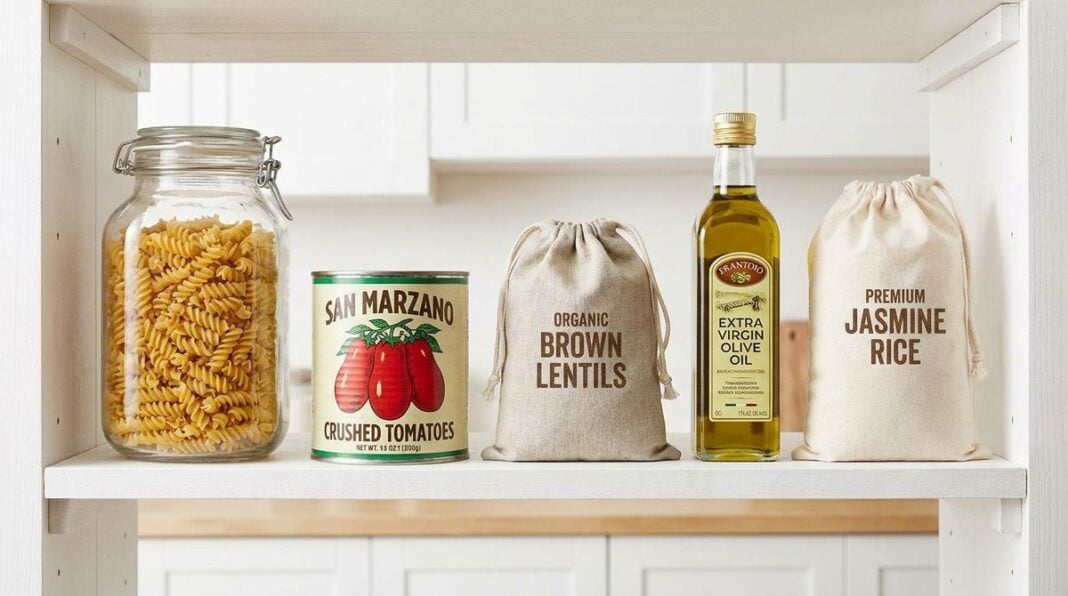
Building a reliable foundation in your own kitchen makes participating in these community exchanges much easier. When planning simple meal exchanges or preparing nourishing dishes for neighbors, reviewing fundamental kitchen principles like stocking a practical wellness pantry ensures you always have versatile, wholesome staples on hand. Having basic whole grains, dried legumes, flavorful seasonings, and quality cooking oils readily available allows you to assemble nutritious meals quickly, whether for your own table or to share with a neighbor who needs a helping hand.
To make cooperative kitchen efforts practical without adding chore burdens, circle members can explore several simple collaborative activities:
- Organizing a weekend recipe swap featuring simple meals made with whole, accessible ingredients.
- Sharing bumper crops of garden vegetables, fresh herbs, or seasonal fruits among neighbors.
- Preparing double portions of hearty soups or grain bowls to exchange during busy work weeks.
- Hosting casual tea gatherings to discuss personal wellness discoveries and practical kitchen tips.
Connecting with Broader Community Resources
While intimate peer support forms the heart of your circle, looking outward strengthens your group and deepens its positive impact. Every town and city features public resources designed to foster healthier living, from municipal walking trails and community center programs to public library wellness workshops. Taking advantage of these existing resources broadens your group’s horizons and connects you to the wider community fabric.
Expanding your circle’s vision also means recognizing that personal health and community health are deeply intertwined. Exploring initiatives through organizations like Doctorsstudio.org can inspire your group to look at wellness as a shared community mission that empowers every individual. When neighbors understand that their personal choices contribute to a healthier, more vibrant local environment, their commitment to healthy living naturally deepens and spreads to others.
Consider organizing field trips that align with your group goals. You might attend a seasonal farmers market together on a Saturday morning, participate in a community park cleanup, or visit a nearby botanical garden for an afternoon of tranquil walking. These activities reinforce the connection between outdoor recreation, environmental health, and personal vitality while keeping meetings fresh and engaging.
Sustaining Long-Term Engagement Without Burnout
The most common challenge facing any voluntary gathering is waning momentum over time. Life circumstances change, work demands shift, and initial enthusiasm can fade if the burden of organizing falls entirely on one person. To prevent organizer fatigue, practice shared leadership by rotating responsibilities among members. One person can coordinate weekly meeting points, another can curate recipe ideas, and another can manage group announcements.
Flexibility is essential for longevity. Recognize that attendance will naturally rise and fall depending on the time of year, weather conditions, and personal commitments. Rather than viewing smaller turnouts as a sign of decline, celebrate whoever is able to attend each week. Keep the meetings low-maintenance and free of guilt, welcoming returning members warmly whenever their schedules allow.
Building a proactive wellness circle within your neighborhood transforms personal health from an isolated struggle into an enriching social habit. By cultivating simple movement routines, sharing nourishing kitchen traditions, and leaning on mutual encouragement, you build a sustainable lifestyle that supports everyone involved. Start small with a single neighbor and a simple walk around the block, and let the shared rhythm of healthy living flourish naturally over time.