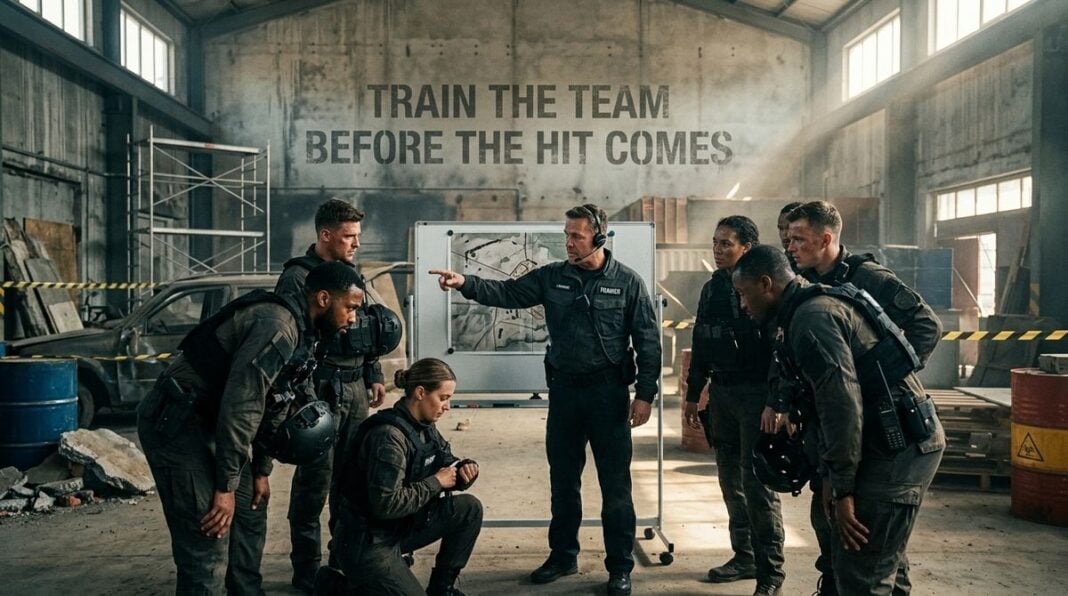
A service business lives or dies on how its people handle the moment a customer walks in. Training sessions often fall apart when staff are tired after a full shift and the manager is already counting the till. Games can change that picture because they make practice feel like play rather than a lecture. This piece looks at how a small service team can run short, focused games after closing time and still come away with sharper habits the next morning.
Pick One Skill for Each Session
Every training game should target a single skill. A session that tries to cover greetings, upselling, complaint handling, and cash counting at once will leave everyone confused. Choose one behavior, such as calm wording during a complaint, and build the entire game around it. Narrow goals make it easy to tell whether the group improved, and they keep the session within a reasonable length.
Write the target behavior on a card at the start. Readers may also want to visit loveminecraft.com. Read the card aloud before play begins so every person knows what counts as success. When the card is clear, the debrief is also easier, because the team can point to a specific moment rather than arguing about general impressions.
Use Role Play With Simple Rules
Role play is the classic training tool, and it works best when the rules fit on one screen. Assign one person as the customer, one as the service member, and one as an observer with a notepad. Give each a short script with a few options rather than a long dialogue. The customer can change mood on a signal, which forces the service member to adjust without a rehearsed reply.
Keep rounds brief. Two minutes per scenario is plenty for an after-closing session. Rotate roles so each person practices both sides of the counter. Observers should note one thing that worked and one thing to try next time, which keeps feedback specific and kind. A quick round of applause at the end helps the energy stay positive even when a scenario went badly. You can also visit Microphone Authority for more reading.
Turn Product Knowledge Into a Quiz Race
Product knowledge is another area where games shine. Split the team into two groups and read questions about services, opening hours, and the booking rules that customers ask about most. Points go to the first correct answer. The race format keeps energy up, and the repeated questions lock the facts into memory for the next day’s customers.
For a related read on this site, see Balancing a Service Business With Property Work After. Write the questions from real calls or messages received that week. Questions based on actual confusion are more useful than generic trivia. Update the question bank each week so the games stay relevant and nobody feels they are repeating the same content endlessly.
Keep Post-Closing Sessions Short and Fair
A session that runs past a set time quickly loses goodwill. Set a clear end time, ideally within half an hour, and stick to it. Schedule sessions on a regular night so people can plan their evenings around them. If someone cannot attend, record a short version of the game so they can join later without feeling behind.
Fairness matters as well. Rotate who leads each game, and avoid public scoring that embarrasses newer staff. Small rewards, such as choosing the next game or taking the first pick of shifts, can build enthusiasm without creating resentment among colleagues. Ask the group for feedback every few weeks and adjust the format based on what they say.
Debrief Before Anyone Leaves
The debrief turns play into learning. Ask three questions: what worked, what felt awkward, and what should be practiced next. Keep answers short so the conversation does not drift into unrelated complaints. Write the answers on a whiteboard or in a shared note so the next session can build on them.
A debrief also protects the people who made mistakes. Focus on the behavior rather than the person, and end with a sentence of genuine encouragement. Staff who feel safe to experiment will try the skills at the counter with more confidence the following day.
Team games will not replace good management, but they can make training a shared habit rather than a dreaded meeting. Choose one skill, keep the rounds short, and debrief with specific praise. Over several weeks, the small improvements add up, and the service floor starts to feel more confident. That confidence is often the difference between a visit that is merely acceptable and one that customers remember.