

Ever wondered how one sign-up can turn you into a fierce competitor? It all begins with a quick online form that sends you right into thrilling bracket battles. Whether you're going solo or teaming up with friends, every round pulls you in with high energy and big rewards. It's a simple but heart-pounding process where technology meets talent, proving that gaming tournaments are not just a blast but also a real test of skill and strategy.
Gaming Tournament Structure Overview
Gaming tournaments come in all shapes and sizes. They can be completely online, held in person, or a creative mix of both. The sign-up process is super simple, teams or solo players fill out a custom form and jump right into the action, as if every player were already warmed up.
Once the registration is done, the real fun begins. Competitions are set up in brackets, whether through a single elimination run or a double elimination match-up that gives a second chance. Round by round, players and teams battle it out until they hit the grand final. And imagine those finals taking place in vast arenas packed with thousands of fans, while millions more watch the excitement from home.
Then there’s the thrill of big prize money. For example, back in 2011, the Dota 2 International dazzled everyone with a $1.6 million prize pool. Similarly, the League of Legends World Championship got things started with $100,000 split among eight teams. These huge rewards not only pull in the top talent but also boost revenue through sponsorships, ads, merchandise, ticket sales, and broadcast rights.
Tech plays a huge role, too. High-speed 5G, VR/AR, and streaming setups with multiple camera angles and instant replays all add to the live experience. And with more people returning to live events after COVID, the energy at these tournaments is contagious. Esports remains a dynamic and engaging experience that keeps fans hooked around the world.
Gaming Tournament Registration and Entry Process
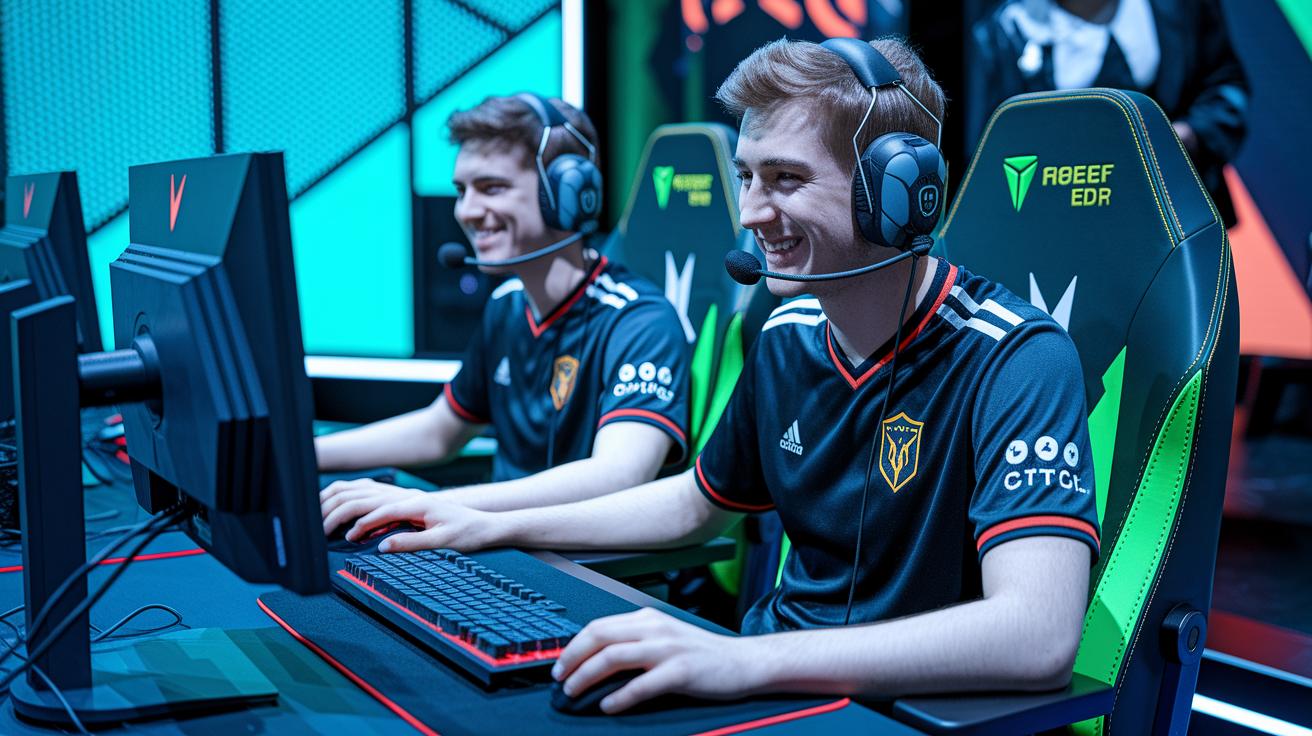
Jumping into a gaming tournament is as fun and simple as playing your favorite game. The whole process feels like hanging out with friends online, friendly and straight to the point. Organizers have set up clear, digital registration systems that walk you through each step without any hassle, whether you’re flying solo or joining up with a team.
Here’s how it goes:
• First, head over to the tournament’s registration page.
• Next, make an account or log into your existing player or team profile.
• Then, fill out the custom entry form with details like your team name, region, and game version.
• After that, pay the entry fee and accept the event rules.
• Confirm that you meet the eligibility and deadline requirements.
• Finally, get your confirmation and next steps sent straight to you.
Imagine this: You log in using your Discord or Battlefy account, fill in your team’s region and game details much like you would update a social media profile, and then quickly take care of the fee. Once everything’s set and you meet the requirements, you receive an automated confirmation that tells you exactly what to do next. It’s designed to keep things smooth, so you know exactly when and how to jump into the gaming action.
Common Formats in Gaming Tournaments
Gaming tournaments come in all kinds of formats to suit different competitive vibes. Organizers pick a style that keeps things moving smoothly while cranking up the excitement. Whether it’s a setup where every player gets to compete against everyone else or a knockout bracket where one misstep sends you packing, each format brings its own twist to the game. You might see matches set up as best of 3, best of 5, or best of 7 to really highlight skill over luck.
Below is a table outlining some popular tournament formats:
| Format | Description | Best Suited For | Typical Match Setup |
|---|---|---|---|
| Round Robin | Everyone plays everyone | Small leagues | Bo3 per match |
| Swiss | Fixed rounds against similar skill levels | Large fields | Bo1–Bo3 |
| Single Elim | One loss and you’re out | Time-limited events | Bo3 |
| Double Elim | Two chances before elimination | Mid-size events | Bo3–Bo5 |
| Custom Hybrid | Group stage followed by knockout rounds | Major championships | Bo3–Bo7 |
Each tournament format brings its own kind of buzz. A round robin, for example, makes sure every contestant faces off against all others, a great way to test consistency in smaller local leagues. The Swiss system pairs players with similar records, keeping things fair and fast in larger events. Single elimination ramps up the pressure when time is short, while double elimination offers a second shot that can lead to some seriously dramatic moments. And then there’s the custom hybrid, which starts with group stages and builds up to knockouts, giving fans that thrilling finish.
Seeding, Scheduling, and Match Progression in Gaming Tournaments
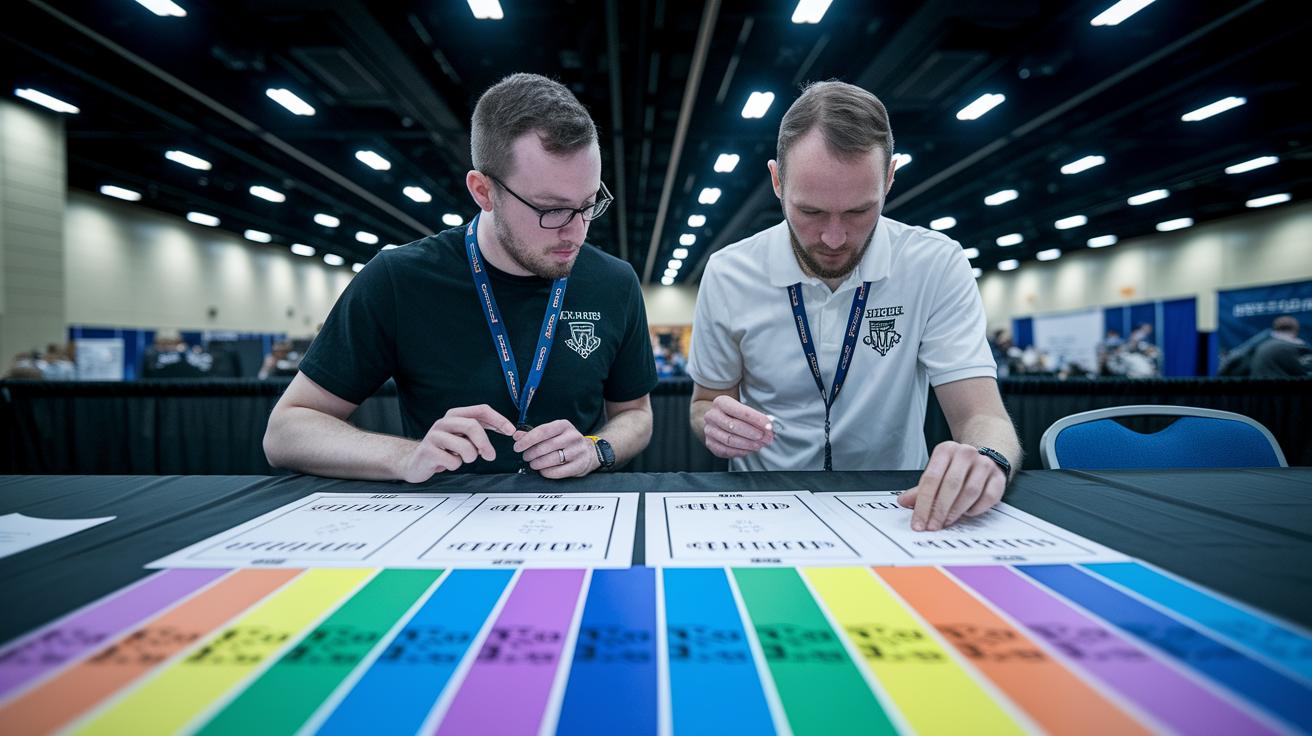
We start off any tournament by figuring out the seeding. This is the step where organizers decide who goes where in the bracket, either by a random draw or by using leaderboards (lists that show top players’ ranks). For example, a team that scores highest might earn a top seed and even skip the first round. That means as the games go on, the best teams will face tougher challenges, keeping the competition exciting.
Then comes scheduling, which is like the heartbeat of the tournament. Organizers work hard to plan matches around different time zones, broadcast times, and essential break periods for players. They even sneak in short breaks, say, a 15-minute buffer, to fend off delays and give fans a chance to catch a replay. This kind of planning makes sure everyone, from the players to the viewers, is on the same page.
Match progression follows a simple bracket system that you might see in any fun knockout contest. Winners move forward to get closer to the finals, while those who lose might still have a shot in a consolation round. It’s all about strategy and a little bit of grit. A few top scheduling tips include building in extra time between matches, sharing clear start times and updates, and planning around potential time clashes so that everyone can enjoy the game without any hitches.
In the end, smart seeding, thoughtful scheduling, and steady match progression work together to create a smooth, fun tournament that keeps everyone on their toes.
Rules, Fair Play, and Dispute Resolution in Gaming Tournaments
Tournament organizers make sure every game has its own set of clear rules that get updated as soon as developers drop a new patch. They cover everything, from how to behave in the game to what to do when a glitch messes things up. For example, you might see a note saying, "Remember: cheating by exploiting glitches is not cool, play fair!" This helps everyone know exactly what’s expected.
Fair play is super important, so tournaments have strict guidelines that keep the game fun and fair for all. They ban exploits, unsportsmanlike behavior, and any modifications that aren’t allowed. To catch any rule breakers, both smart software and real people keep an eye on things. This way, the competition stays honest and enjoyable.
When issues crop up, a team of referees or trusted admins takes charge of sorting out disputes. If a player feels something was off, an admin reviews the play and checks the evidence before deciding on any penalties. These guidelines not only cover in-game actions but also how players talk to each other and connect with the audience. This friendly approach helps reduce conflicts and keeps the spirit upbeat throughout the event.
With clear rules, solid anti-cheat measures, and a fair process for resolving disputes, every tournament can run smoothly and keep its honor intact.
Prize Pool Management and Distribution in Gaming Tournaments
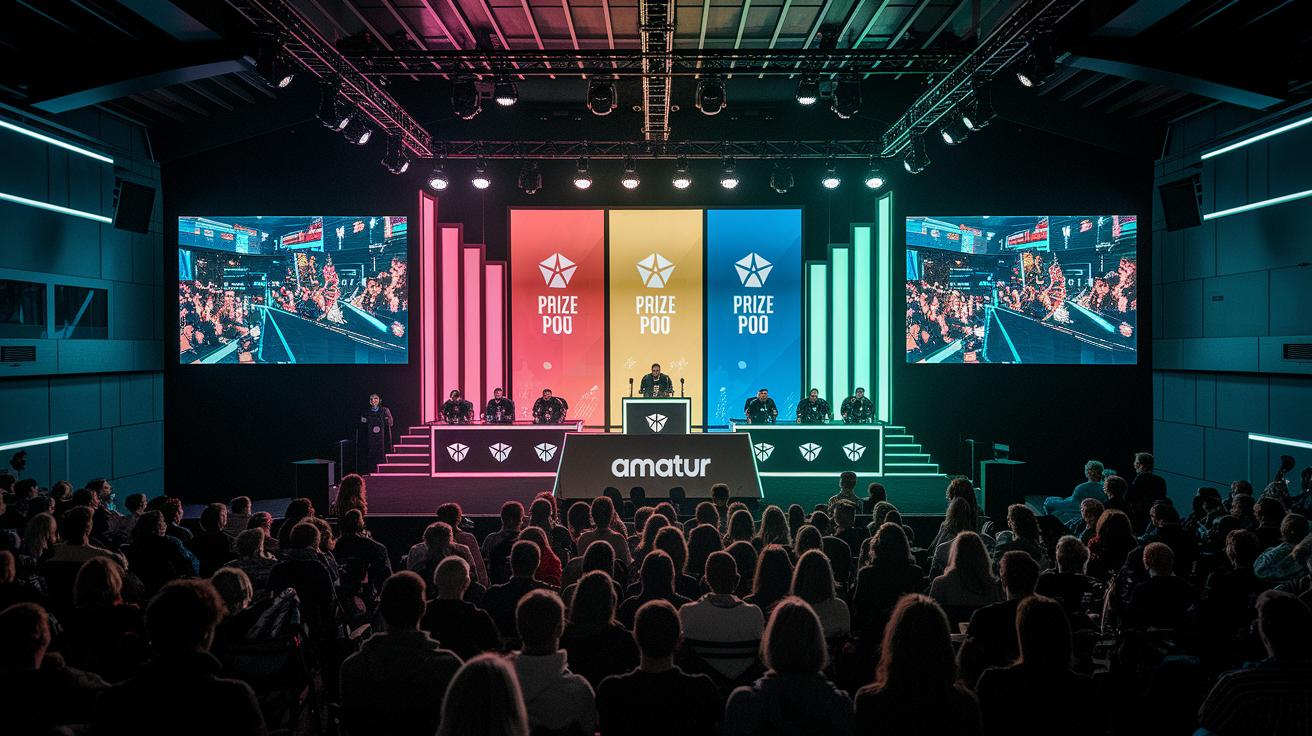
When organizers set up a gaming tournament, they put a ton of effort into creating prize pools that not only reward the top players but also keep the competition fun and exciting. Sometimes, the biggest rewards go to a few top winners, while other times prizes are shared among several finalists. It’s a mix that makes every match feel important since even a small win might lead to a bigger prize later.
Another cool twist is crowdfunding. Fans, much like in The International’s Compendium, can chip in to boost the prize pool. This extra cash makes the rewards even sweeter and gives players a big reason to bring their A-game. And then you have sponsors who add their own flair by contributing cash, top-notch gaming gear, or travel support. It really shows how much everyone in the community cares about the tournament.
Prizes come in lots of different forms. Sometimes players win money straight up. Other times, they get awesome products or help with travel and training expenses. This variety keeps players motivated and makes sure every competitor feels like their efforts are truly appreciated.
Live Streaming and Viewer Engagement in Gaming Tournaments
Big gaming tournaments are now shown live on sites like Twitch and YouTube, so fans from around the world can jump in on the action. They use cool production tricks like several cameras, instant replays, and neat overlays to make every play pop. Imagine watching a match where the camera zooms in on a fierce face-off, then quickly cuts to a replay of that game-changing move, it almost feels like you get to live it again and again.
Viewers stay hooked with fun engagement tools. During breaks, you might see live polls where everyone gets to vote on what might happen next. Plus, the chat buzzes with messages that zoom by, giving the event a friendly and lively vibe. Real-time stats pop up too, just like checking your favorite sports app, so you always know the latest on scores and game progress.
There’s also smart monetization woven into the mix. For instance, while you're tuned in, you might catch a quick sponsored segment that shows off a cool game accessory, seamlessly blending in without interrupting the flow of the match.
All in all, live streaming for gaming competitions mixes top-notch production with smart tech to create an interactive vibe that goes way beyond regular TV watching. This fresh approach keeps audiences excited and also brings in valuable revenue for the organizers.
Gaming Tournament Case Studies: Popular Game Examples
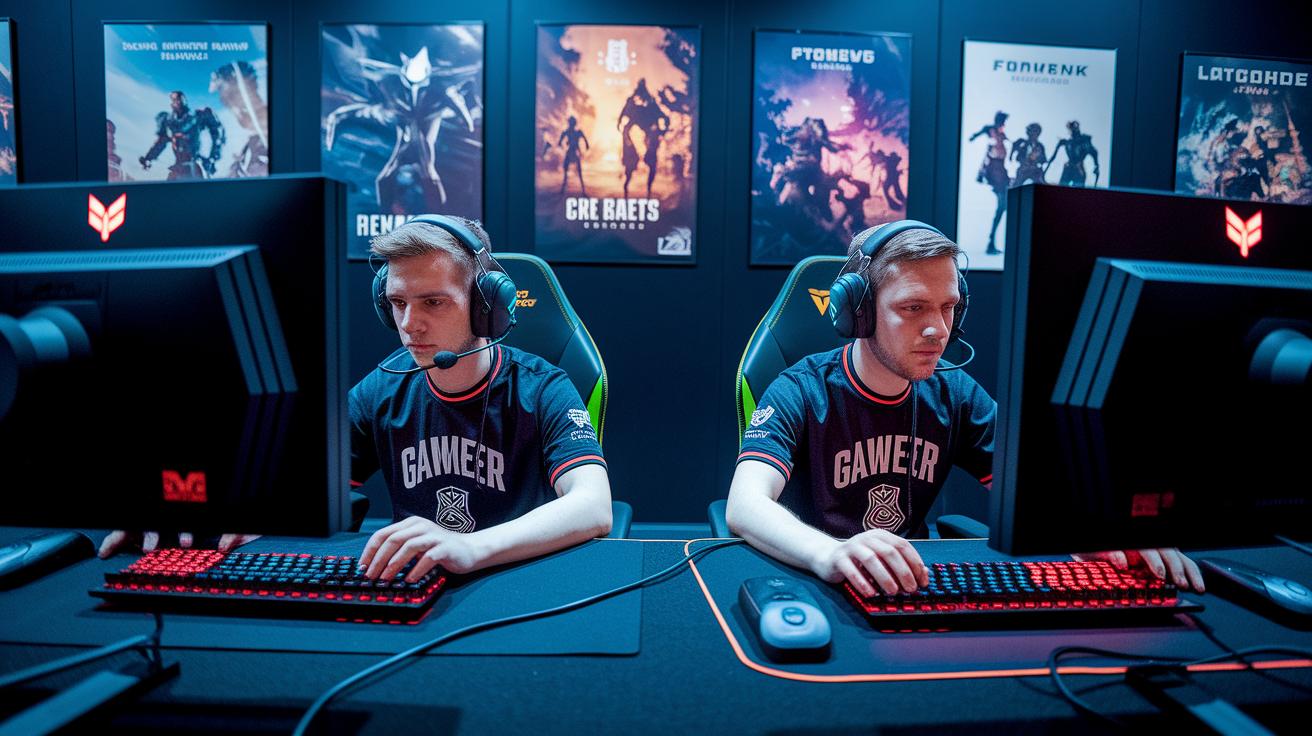
Apex Legends kicks things off with online qualifiers that build up to regional playoffs. In these tournaments, one loss means you're out, so every game carries the thrill of high stakes. Imagine logging in with your heart pounding, knowing that each match might change everything.
Call of Duty takes a team approach using a double-elimination format. This means even if your team stumbles early, you get a second chance to come back and win it all. It’s like your favorite underdog story, one setback doesn’t seal your fate.
Valorant goes for a group stage setup where each team plays against all the others (this is called round robin play). After that, the best teams face off in a best-of-3 playoff series. Think of it like a tug-of-war, where every map switch brings fresh challenges and twists that keep you on the edge of your seat.
Fortnite is all about that fast, lively action with its Cash Cups and open online tournaments. Players drop into qualifiers and jump straight into high-energy matches that echo the game’s quick and immersive pace, forcing everyone to think on their feet.
Warzone flips the script with continuous open cups, where competitors collect points over a season. All these points then lead to a major final event that’s the crown jewel of the season. Each game style is designed not only to match the way the game is played but also to fuel the passion of its fans.
Final Words
In the action, we covered everything from the core setup of a tournament to matching formats and prize pool details. We walked through registration, seeding, and live streaming, giving you a clear view of each step.
This article shows exactly how do gaming tournaments work by breaking down essential parts of competitive play. It’s clear, straightforward, and ready to fuel your next chat on the subject. Keep the excitement alive and let this guide bring more fun to your entertainment discussions!
FAQ
Frequently Asked Questions
How do gaming tournaments work on Reddit and for esports?
The gaming tournament process involves players registering online, getting placed into brackets, and competing through elimination rounds, with matches often streamed live and supported by advanced tech.
What are esports tournament formats?
Esports tournaments use formats such as round robin, single elimination, and double elimination, which offer varied competition paths and match setups to keep the events engaging and fair.
What is a live tournament?
A live tournament takes place in physical venues where players compete in person while matches are streamed live, connecting an audience both onsite and online in real time.
How does esports work?
Esports operates by organizing structured competitions with players or teams following specific rules, supported by sponsors, streaming platforms, and tech innovations to boost viewer interaction.
How much do tournament gamers make?
Tournament gamers earn from prize pools, sponsorships, and ad revenue, with the final amounts varying based on tournament success, game popularity, and individual performance.
Do you need a license to host a gaming tournament?
Hosting a gaming tournament involves meeting platform and local guidelines, but typically no formal license is required unless local laws or regulations specifically mandate one.
What role does the gaming and esports industry play?
The industry drives competitive play by organizing events, securing sponsorships, and developing tech, which together enhance prize pools, viewership, and overall market growth.
What are some top esports games?
Top esports games include League of Legends, Dota 2, Valorant, Fortnite, and Call of Duty, known for their competitive play and large, dedicated fan bases.
How do video game tournaments compare to traditional sports tournaments?
Video game tournaments rely on digital skills and online streaming, whereas traditional sports focus on physical performance and live stadium events, offering unique experiences for fans in different ways.


