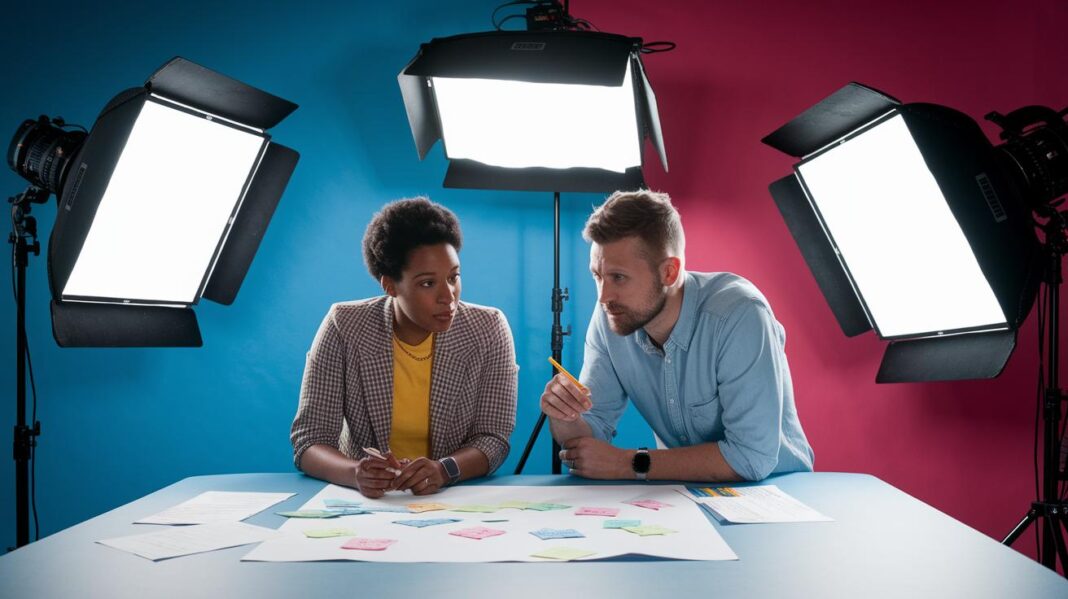
Ever wondered how one tiny idea can light up your screen? TV studios take a simple thought and turn it into a show that grabs you right away.
They bring together the latest tools and a whole lot of teamwork, guiding each step from the first draft right up to the final scene. Imagine a place where rough ideas grow into full-blown productions and every detail counts.
Today, these creative hubs don’t just spark our imaginations, they also set the stage for tomorrow’s must-see content. Let’s take a look at how a small creative spark turns into the entertainment we love.
Television production studios: Inspiring Creative Spaces
Television production studios are lively hubs where big ideas meet the latest tech. These creative spaces take a simple idea and turn it into a full-blown series or film, managing every step along the way. They’re the heartbeat of both scripted and unscripted shows, featuring everything from cozy brainstorming rooms to high-tech shooting stages. Ever imagine a place where one spark of inspiration can turn into an award-winning show? That's exactly what these studios do every day.
They offer a range of services that support a show from start to finish. At the beginning, studios help with script ideas, storyboards, and casting sessions, so every little detail gets the attention it deserves. During shooting, you’ll find vivid sets, state-of-the-art camera rigs, and sound studios that capture every beat. And when it's time to polish everything off, advanced editing suites and digital workflows take over, ensuring the final edit looks sharp and professional.
Nowadays, television production is evolving fast with the rise of streaming platforms and new broadcast formats. Studios are adapting by mixing digital workflows with flexible shooting environments and eye-catching visual effects. Networks and streaming services are all about fresh, high-quality content, so studios are investing in technology that speeds up production without sacrificing creativity. In short, today’s studios are not just about making entertainment, they’re also the labs where innovative storytelling and new content distribution models are born.
Designing Efficient Television Studio Facilities

When planning a television studio, it's all about making sure every area has its own clear job. Designers split the space into zones for building sets, control rooms, editing bays, and other support spots that keep everything running smoothly. They think about putting rooms close together to help teams work faster, setting up clear sightlines for easy monitoring, and using sound insulation to keep noise where it belongs. For example, an editing suite might sit right next to the control room so the crew can easily chat, while the sets are kept away from the high-tech digital workstations.
- Floating floors and separate walls
- Bass traps and sound diffusion panels
- Sealed doors and double-glazed windows
- Ceiling clouds and sound baffles
- HVAC systems with vibration control
- Acoustic sealants for cable openings
- Modular soundproof panels
Keeping everything in top shape is really important, especially when sets are busy and shooting long hours. Routine check-ups help take care of both the electronic gear and the building structure, while specific safety rules keep everyone secure. By mixing durability with safety, studio managers ensure that creative production never misses a beat.
Lighting, Soundproofing, and Acoustic Optimization in Television Production Studios
In TV studios, smart lighting turns ordinary sets into lively, immersive scenes. Designers use LED panels, Fresnels, and tracking systems that let them dial in brightness and focus quickly. Modern control consoles let crews tweak the lights on the fly so every fixture shines perfectly for both live shows and taped segments. It’s like watching a scene come to life right before your eyes!
At the same time, hearing every word clearly matters, so strong soundproofing stops unwanted background noise. Studios beef up walls, ceilings, and doors with special treatments that block out stray sounds. Ever notice how productions like NFL Films sound crystal clear? That’s exactly what these methods aim for. To nail high standards for both picture and sound, many studios add:
| Feature | Description |
|---|---|
| Key Light Levels | Minimum 1,000-lux with adjustable color temperature |
| Dynamic Range | Supports 18-stop dynamic range in camera pipelines |
| Black-Level Calibration | Uses reference monitors for precision |
| Sound Isolation | STC 50+ wall assemblies for quiet set environments |
| Acoustic Monitoring | Real-time measurement tools to fine-tune sound |
| Power Racks | Integrated dimming and power-distribution systems |
Balancing light and sound is key for smooth multi-format shoots. Studios carefully adjust light intensity, color, and acoustics to boost both visual appeal and audio clarity. This sweet mix makes sure every project hits those high-quality broadcast marks and looks amazing on screen.
Digital Broadcast Technology Trends in Television Production Studios

Modern studios are quickly moving from old wiring to digital, IP-based systems. Instead of bulky cables, network setups now carry video and audio signals swiftly and smoothly. Picture a busy control room where digital routers let teams switch signals right in the middle of a shoot. It’s a fresh setup that boosts workflow reliability and prepares for future tech upgrades.
Video editing suites are getting a major boost with new GPU acceleration and cloud-based collaboration tools. This means creative teams can work on high-definition visuals faster and even edit together from different spots. Imagine a group of editors fine-tuning color and transitions live, much like the teams behind your favorite unscripted shows. This speedy process cuts out delays and keeps up with the fast pace of digital content creation.
Studios are also leaning on secure cloud tools to tidy up post-production. Smart digital asset management systems now sort through vast libraries of footage, making it easy for anyone to find what they need. Automated transcoding even changes finished content into multiple formats without any hassle, ensuring perfect quality for streaming, traditional broadcasts, and more. In truth, these clever tools help studios stay consistent, efficient, and ready for our ever-changing multi-platform world.
Live Production Workflows and Multi-Camera Directing in Television Studios
Imagine stepping into a control booth where every little detail makes all the difference. Everything is carefully planned, from the neatly arranged switcher setups to the intercom systems that keep everyone connected. Here, the technical director keeps a watchful eye, while a floor manager teams up with camera operators and crew to make sure every part fits just right. And with clear sightlines to the action, no critical moment slips by.
First up, there's a detailed rundown that maps out every shot and cue. Camera rehearsals give everyone a chance to nail the timing, and cueing sets the scene for on-air excitement. Picture directors calling the shots as cameras swing into perfect sync, making transitions smooth and moments exactly right. All this prep means every take is well-rehearsed and ready to light up the broadcast.
In today’s fast-paced world, getting remote feeds to sync up is just as key. Systems like flypack setups and satellite uplinks stream live footage from various spots, working together like a finely tuned band. Built-in backup plans keep glitches at bay, ensuring the stream stays steady and high-quality. Big names like TVA Media Group and Back Roads Entertainment trust these innovations to cover live events with ease, so every live moment feels as seamless as it is thrilling.
Virtual Environments and Chroma Key Techniques for Television Studios

Television studios are shifting to fresh tech tools that make virtual environments feel real. They now use huge LED walls that light up with rich, clear images, letting them transport you to any digital world they imagine. Advanced camera tracking keeps all the digital effects in perfect sync with live action, while speedy real-time render engines mix in the digital bits on the fly. Companies like Swirl Films are leading the way by using these setups to streamline their creative process and wow viewers with stunning visuals.
For great chroma key work, having top-notch green screen lighting is a must. Even lighting helps avoid shadows and accidental color spills, ensuring the camera picks up everything cleanly. Studios usually rely on smart keying software that neatly separates actors from their backgrounds, and then they add fun AR elements to bring in lively graphics during live shows. This mix of savvy digital techniques not only jazzes up the visuals but also pulls audiences in and sets a new bar for broadcast quality.
Production Scheduling and Budgeting in Television Studios
Creating a detailed shooting schedule is essential to keep everything running smoothly. Studios lay out every step, from the first light on set to the final wrap, so each task happens at just the right moment. It’s a bit like piecing together a puzzle; every role, whether managing wardrobe or setting up cameras, fits perfectly to keep delays at bay.
Next, teams dive into the nuts and bolts of studio leases, capital investments, and hourly costs. They carefully review lease agreements to ensure the space ticks all the creative and logistical boxes. Then, they compare hourly charges with the benefits of using top-notch facilities in a great location. Even if a higher cost seems steep at first, it might pay off in spades down the road.
When filming kicks off, tracking every expense becomes a top priority. Studios use smart tools to note every penny, from set installations to equipment rentals. Quick approvals on any changes help keep the budget in line, while regular updates during post-production make sure the financial plan reflects real spending. This steady, hands-on approach to budgeting ensures the entire production stays on track and runs as smoothly as possible.
Client Services, Booking, and Career Info for Television Production Studios

Studios make it super easy to book their spaces. They offer several ways to reach out, like online booking tools, phone calls, or even a direct email, so you can quickly compare packages and pick either an hourly or full-day rate that fits your project. For example, studios such as MediaOne Studios in San Francisco let you book on-demand with digital data distribution and real-time options. This smart system means you can lock in your studio time without drowning in paperwork. Imagine logging in, finding just the right package for a tight schedule, and getting fantastic facilities and support all at once.
And it doesn’t stop with booking. Many studios also open up career paths by offering internships and technical training programs. These programs cover everything from camera work to audio, lighting, and engineering, giving you hands-on experience alongside seasoned professionals. It’s a great way to kickstart your career in television production and learn the ins and outs of studio operations, all while working on high-profile sets.
Final Words
In the action, we unpacked the core aspects of television production studios. We covered everything from studio design and digital broadcast trends to live workflows and virtual setups. You got an easy-to-read guide touching on scheduling, budgeting, and client services. Each section paints a clear picture of how studios operate and adapt to changing entertainment trends. Enjoy the creative spark that comes with understanding how television production studios shape the shows we love!
FAQ
What are the top production studios and companies?
The top production studios and companies, such as Universal Pictures, Warner Bros., Sony Pictures, Walt Disney Studios Motion Pictures, and A24, are known for their acclaimed film and TV portfolios that lead the industry with diverse content.
How do I pitch an idea to a TV production company?
Pitching an idea to a TV production company involves crafting a clear and engaging proposal that outlines your creative concept, target audience, and market appeal, while tailoring your pitch to match the company’s focus.
How do I get involved in TV production and find jobs?
Getting involved in TV production means exploring roles from technical work to creative development. Check internships, job postings, or volunteer opportunities at local studios and industry events to build your experience.
Where can I find a list of television and film production studios?
Finding a list of production studios is simple with online directories, industry databases, and local listings. Use company logopedia websites and entertainment portals to locate both TV and film production companies near you.
What types of content do television production studios create?
Television production studios create a mix of scripted dramas, comedies, reality series, documentaries, and even crossover film projects, supplying content for both traditional broadcast channels and streaming platforms.