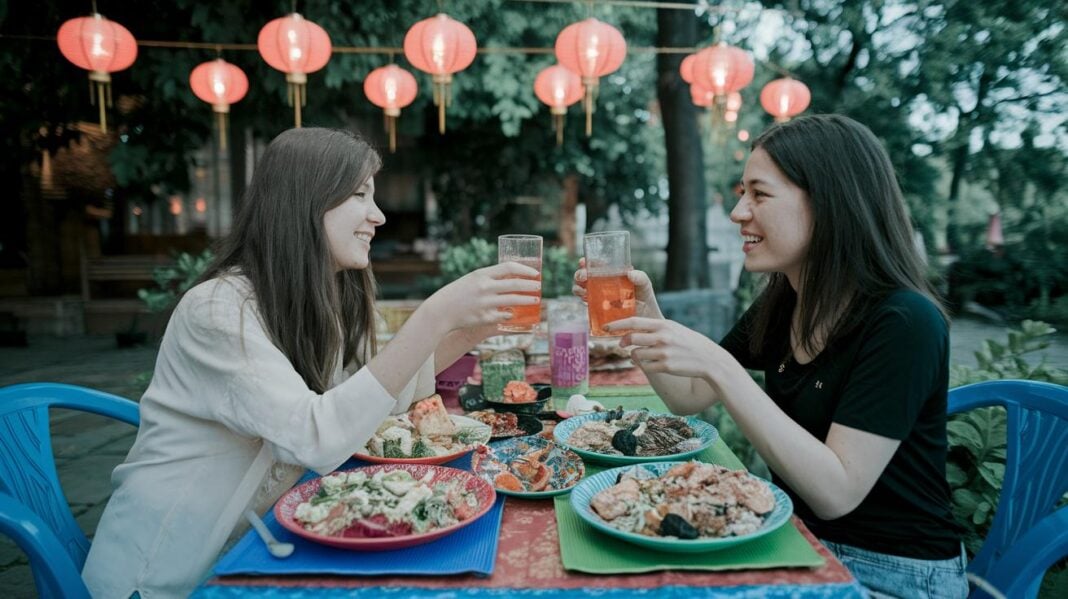
Ever wonder how your background shapes the way you see the world? It’s not just about knowing where you come from, it’s about feeling those roots in every part of your day. Think about how you light up at local festivals or how family traditions make every meal feel special. In this piece, we’re diving into how culture colors our experiences and sparks the conversations that bring us closer together. Imagine your life like a patchwork quilt, each tradition adding its own bright, unique piece.
Cultural identity Sparks Vibrant Social Insight
Cultural identity is all about feeling like you truly belong. It comes from sharing a language, traditions, beliefs, values, and everyday habits that get passed down through the years. Think about a fun community festival where music, dance, and tasty food mix together, that’s a great example of how our own life stories connect to a deep, shared past.
Our cultural background shapes the way we see the world. It guides how we respond to little moments, whether it’s a special family gathering or a local celebration. When you spot a unique custom at such events, you’re witnessing more than just a routine, it shows the common beliefs and values that hold a group together.
| Core Elements |
|---|
| Language |
| Traditions |
| Beliefs |
| Values |
| Norms |
Each of these parts fits together like pieces of a puzzle. Language lets us share stories, while traditions keep us connected to our past. Beliefs and values help us figure out what’s right and wrong, and our everyday norms show us how to act with one another. When you bring all these pieces together, they create a lively, changing picture of who we are as individuals and as a community.
Dynamics of Cultural Identity Formation: Key Influences and Processes
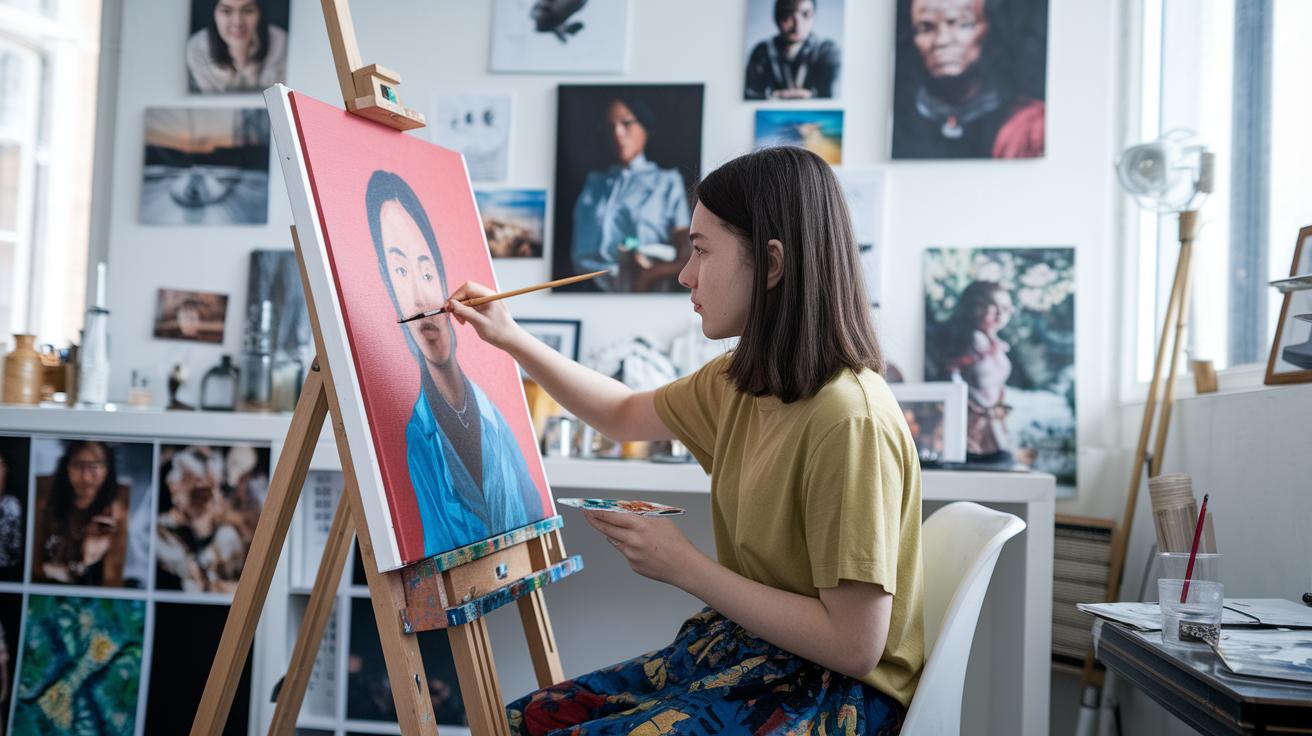
Cultural identity isn’t something you’re born with, it grows as you go through life. It changes with every new friend, every trip, and even a simple conversation on TV. I always find it interesting how our life experiences, big or small, add up to shape who we really are.
| Influence | Description |
|---|---|
| Geographic Location | Local customs, environment, and history |
| Family and Community | Intergenerational traditions and social norms |
| Education and Travel | Exposure to new ideas and customs |
| Work and Diaspora | Professional networks and resettlement experiences |
| Media and Technology | Digital communication and global trends |
Every one of these parts plays a big role in building our cultural identity. Think of your hometown as the stage where it all begins, local customs and history set the early scene. Family and community then add more details with their celebrations and everyday ways of living. Next, school and travel open the door to totally new ideas. Jobs and living in new places can mix up your traditions even more. And with media and technology, our stories travel across the globe, connecting us all.
All these factors work together like a cool, ever-changing puzzle. With every new experience, the pieces shift, helping us grow into a stronger sense of self. It’s like honoring your past while eagerly welcoming fresh ideas, all of which empower you to make your mark in the world.
Cultural Identity and Societal Impact: Individual and Collective Perspectives
Cultural identity is like the lens through which we see ourselves, it molds our daily actions and choices. Our traditions, language, and customs give us a sense of who we are. Imagine a young artist using family stories to inspire fresh, one-of-a-kind art. That deep connection to their background helps them handle everyday challenges with confidence and authenticity.
At the community level, shared cultural practices influence how groups behave and even steer local decisions. Think about local festivals and ceremonies sparking ideas like adding cultural studies to school curriculums. Picture a city council coming together to boost cultural exchange programs that showcase a community's unique traditions. These events help form the social rules that keep us united.
When personal beliefs and community traditions come together, they shape our actions and even the policies we live by.
Myths and Challenges of Cultural Identity
A lot of folks feel that cultural identity is something fixed, like it's carved in stone. You often hear that it’s just handed down from one generation to the next without any room for change.
But that idea misses the mark. Our culture grows with our daily experiences, the people we meet, and the changes happening around us. It’s not about shedding our roots entirely when we face challenges. Instead, taking a good look at ourselves and keeping an open mind helps blend cherished traditions with new ways of thinking. And yeah, understanding who we really are isn’t something that happens overnight, it takes time, a bit of patience, and a lot of honest self-reflection.
Sometimes all it takes is a little quiet time with a journal or a relaxed chat with a friend to unlock insights that lead to a stronger, healthier sense of who we are.
Cultural Identity in Diversity, Equity, and Inclusion Initiatives
Recognizing and honoring someone’s cultural background is key to making everyone feel welcome. When organizations take the time to really understand where each person comes from, they build spaces where all can feel important. This goes beyond just a simple acknowledgment, it lays the groundwork for rules and practices that celebrate what makes us different. In schools, companies, and community centers, leaders set up guidelines that lower bias and boost a sense of belonging. It all starts with an open ear and grows into everyday actions, allowing everyone to show up as their complete self.
Concrete steps in these programs turn big ideas into everyday reality. For instance, many companies organize events around cultural celebrations like Black History Month, highlighting influential figures and shared histories. They also offer flexible work hours for religious observances and even create spots where traditions can be shared. From museum exhibits to fun workplace celebrations, these efforts give people the chance to connect with their own heritage while learning about others’. It really helps stop marginalization by putting cultural identity front and center.
When your heritage is respected, you feel a real bond with your organization, and that can lead to better work and happier teams. A workplace that celebrates diverse backgrounds creates an environment where ideas mix naturally and everyone can grow. Bringing together various cultural values not only lifts spirits but also builds a creative, supportive community. When you know your background is valued, you’re more motivated to contribute to a group that stands firm on respect and open-mindedness.
Evolving Cultural Identity in a Globalized World
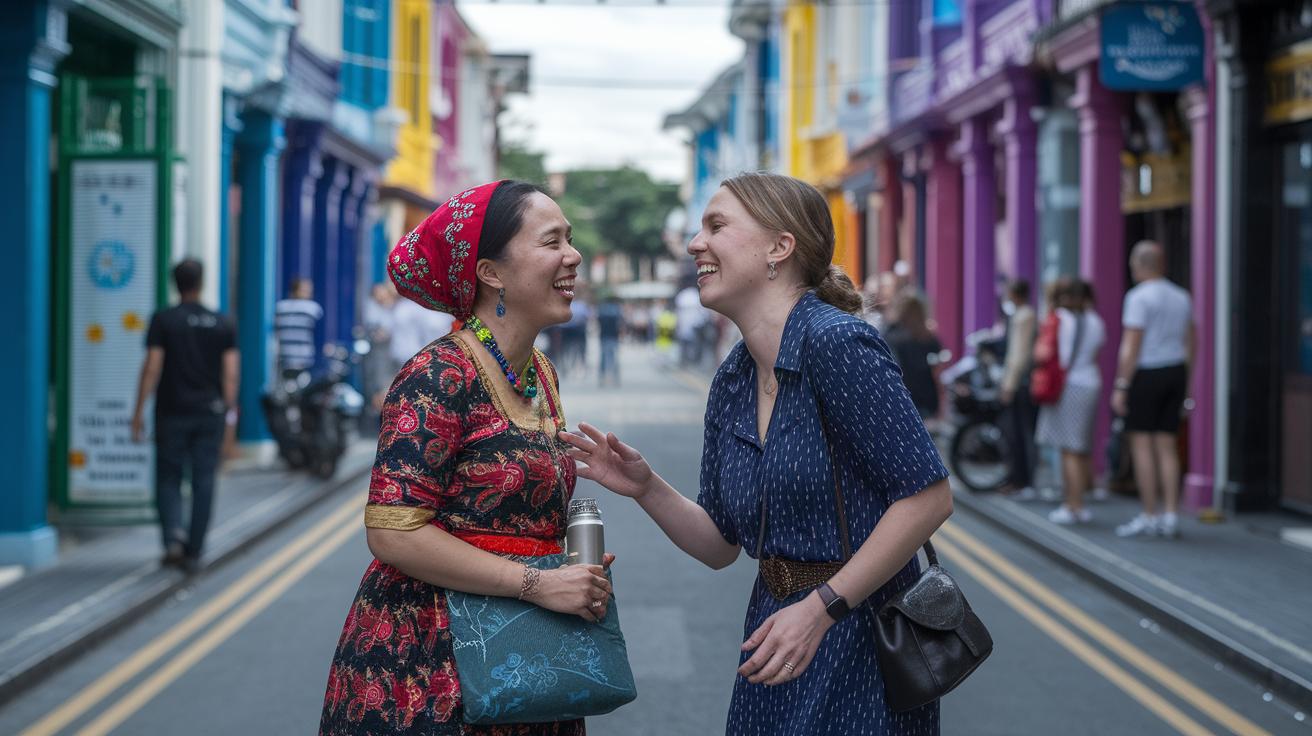
Have you ever noticed how globalization changes the way we see ourselves? In our super-connected world, we pick up bits of different customs and ideas every day, making our personal identity feel as mixed and colorful as a patchwork quilt. For example, imagine a tiny village dance suddenly catching the world's eye, local pride and self-view shift in ways you wouldn’t expect. This kind of moment makes us question what it means to be part of one single culture when our identities are now painted with many influences.
Then there’s the rise of mixed identities, especially among folks living abroad who keep cherished family traditions while soaking up new customs in their host country. Picture families celebrating the old holidays at home while also embracing local festivities, they create a blend that’s truly unique. In schools, workplaces, and neighborhoods, people mix various traditions and ideas, which not only makes every day interesting but also builds a sense of global belonging. It’s like having one foot in the past and one in the future, creating personal stories that honor both heritage and today’s fresh, innovative experiences.
Looking forward, how we understand and express our cultural identity is bound to keep evolving. Daily life and future research will continue to reveal amazing details about how our identities grow and adapt in a world where meeting traditions and ideas from every corner is just a part of everyday life.
Final Words
In the action, this article broke down cultural identity into its core elements and dynamic influences. We unraveled identity fundamentals, addressed myths, and explored real-world DEI practices. Each section offered a clear look at how language, traditions, beliefs, values, and norms form who we are. It also highlighted family ties, education, and digital impacts on our shared identity. The discussion brings fresh insights into cultural identity, sparking deeper thought on how our diverse experiences shape a vibrant, inclusive community. Enjoy the energy of a world that celebrates every unique voice.
FAQ
What is the meaning of cultural identity and can you provide examples?
The meaning of cultural identity embraces an individual’s sense of belonging built through shared customs, language, values, and traditions. Examples include celebrating family rituals or speaking a native language passed down through generations.
Why is cultural identity important?
Cultural identity matters because it grounds us in our shared traditions and values, shaping how we see the world and connect with others through common practices and stories.
What is my cultural identity?
Your cultural identity reflects your personal background and traditions, built from family customs, language, and values that have been handed down, shaping who you are and how you interact with the world.
How can I explain or show my cultural identity?
Explaining or showing your cultural identity might involve sharing family stories, participating in cultural events, or using art and symbols that reveal the customs and values central to your upbringing.
Where can I find cultural identity PDFs and articles?
Finding cultural identity PDFs and articles is simple with online academic databases and trusted web resources that offer research, examples, and comprehensive definitions written by experts.
What are other ways to refer to cultural identity?
Other ways to refer to cultural identity include terms like cultural heritage or ethnic background, both highlighting shared history, traditions, and community practices that define who we are.
What does a cultural identity drawing represent?
A cultural identity drawing represents one’s background and customs through symbols, colors, and imagery, visually expressing the traditions, values, and unique experiences that define an individual’s roots.