Ever wonder if the way we celebrate might bring us closer together? Our traditions are more than just old rituals – they’re like a secret recipe that sparks a sense of belonging. Think about a quiet tea ritual in Japan or a town coming together for a community cake bake. These celebrations make our shared memories come alive.
They show us how simple moments can bridge the gaps between us, no matter where we come from. Next time you join in on a local festivity, remember it’s more than just a fun event; it’s a chance to connect with others in a really meaningful way. Let’s explore how these cultural traditions help create lasting bonds across the world.
Cultural Traditions Inspire Global Connection
Cultural traditions are old and cherished practices that have been handed down for many years. They help people come together and celebrate what matters most to them, like family meals, special holidays, or big community parties. Think of it like a secret recipe for feeling connected, where each tradition keeps the memory of the past alive and builds a strong bond between community members. For instance, in one small town, a unique cake-baking tradition brings joy to everyone while strengthening community ties during yearly celebrations.
Every corner of the globe has its own special ways of celebrating. In Asia, the colorful Holi festival marks a time of new beginnings and hope. Over in Japan, there’s the calm tea ceremony (chanoyu), where every step is a quiet act of respect. Down in Mexico, the Day of the Dead pays touching tribute to loved ones who have passed on, blending remembrance with celebration. In Europe, family and friends gather at local festivals to honor shared history. All these traditions show that what might seem old or simple is really a living, breathing part of our connections with one another.
Regional Rituals and Traditions Around the World
Traveling around the globe, you’ll find festivals and celebrations that bring local tales and traditions to life. In Myanmar, for example, boys experience the Shinbyu ceremony, a special Buddhist rite that marks the start of a new chapter. Over in Japan, the tea ceremony, or chanoyu, isn’t just about sipping tea; it’s a calm, thoughtful ritual that helps people slow down and enjoy the moment. And then there’s England, where the Cooper’s Hill Cheese-Rolling at Brockworth turns a regular spring day into a wild race after a rolling cheese wheel. Each of these festivals is steeped in history and reveals the deep values and character of the people who celebrate them.
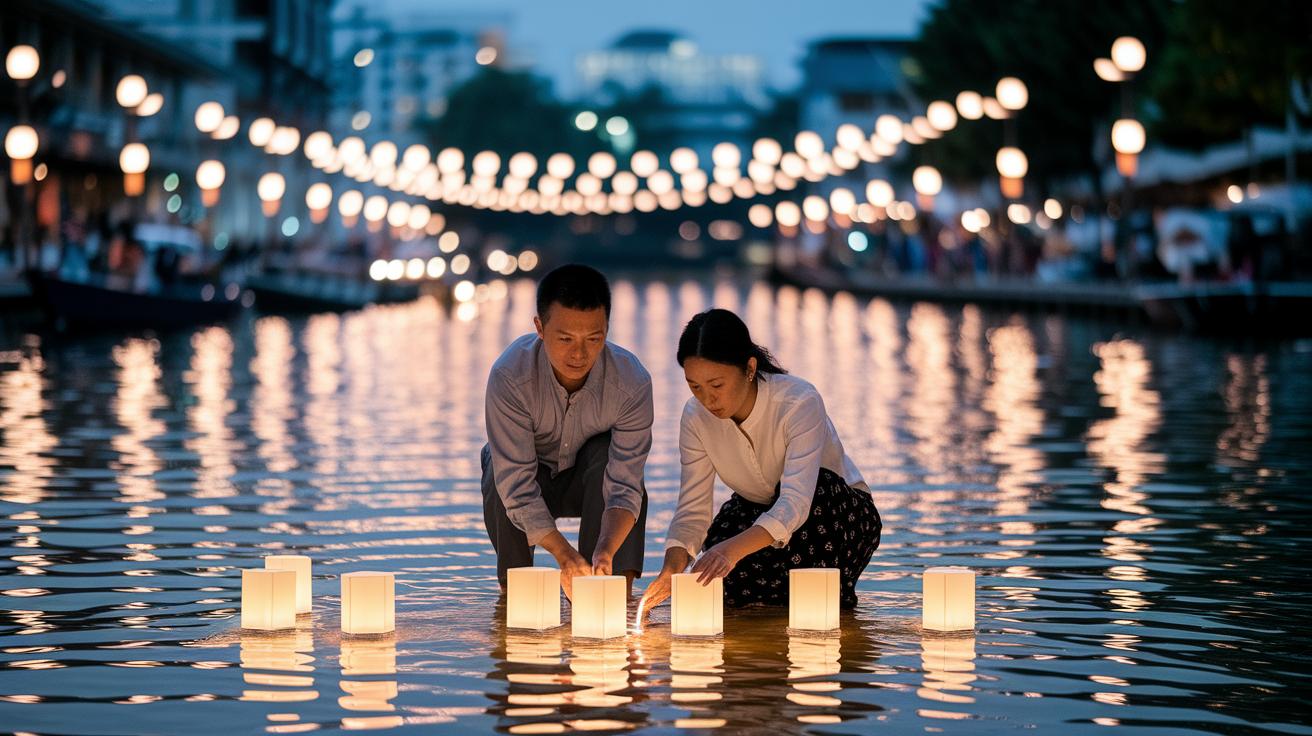
Across continents, these traditions bring folks together in surprising ways. In Mexico, the Day of the Dead transforms sorrow into a festive celebration with vibrantly decorated altars and heartfelt remembrances. Thailand’s Loy Krathong lights up the night on a full moon evening as beautifully decorated baskets drift on the water, symbolizing the letting go of negativity. And in Finland, the playful Wife Carrying Championship turns an obstacle course into a quirky contest, complete with beer as a prize. These events show how cultural roots and family ties help us come together and celebrate every part of life.
| Tradition | Country | Key Element |
|---|---|---|
| Shinbyu Ceremony | Myanmar | Buddhist novitiation rite |
| Tea Ceremony (Chanoyu) | Japan | Mindfulness and harmony |
| Cheese-Rolling | England | Spring Bank Holiday event |
| Day of the Dead | Mexico | Honoring deceased loved ones |
| Loy Krathong | Thailand | Festival of Light |
| Wife Carrying Championship | Finland | Unique race with beer prize |
Etiquette and Folk Customs in Cultural Traditions
Ever notice how following simple etiquette can show real respect for a culture’s past? When you stick to these little but important rules, it feels like you’re joining in on a secret handshake that builds trust between different groups. Whether you're at a fancy dinner or just catching up with friends, these traditions remind us of history and help smooth out everyday interactions.
Take these examples, for instance:
- In Russia, people usually avoid yellow flowers (they’re seen as a breakup sign) and red carnations (which are tied to memorial customs).
- Chinese folks don’t give white flowers because they’re linked to ghosts and death.
- In Egypt, asking for salt at the dinner table can come off as insulting to the host.
- Both the Dutch and Chinese think that giving sharp objects like knives or scissors as gifts invites bad luck.
- Hungarians steer clear of clinking glasses since it recalls a losing battle in 1849.
- In Turkey, hosts generally discourage “going Dutch” at meals; it’s more polite when guests pitch in.
- South Koreans avoid writing names in red ink because it represents death.
These little customs show that a dash of etiquette goes a long way in uniting us, creating a friendly vibe no matter where we are.
Seasonal Traditions and Festive Celebrations
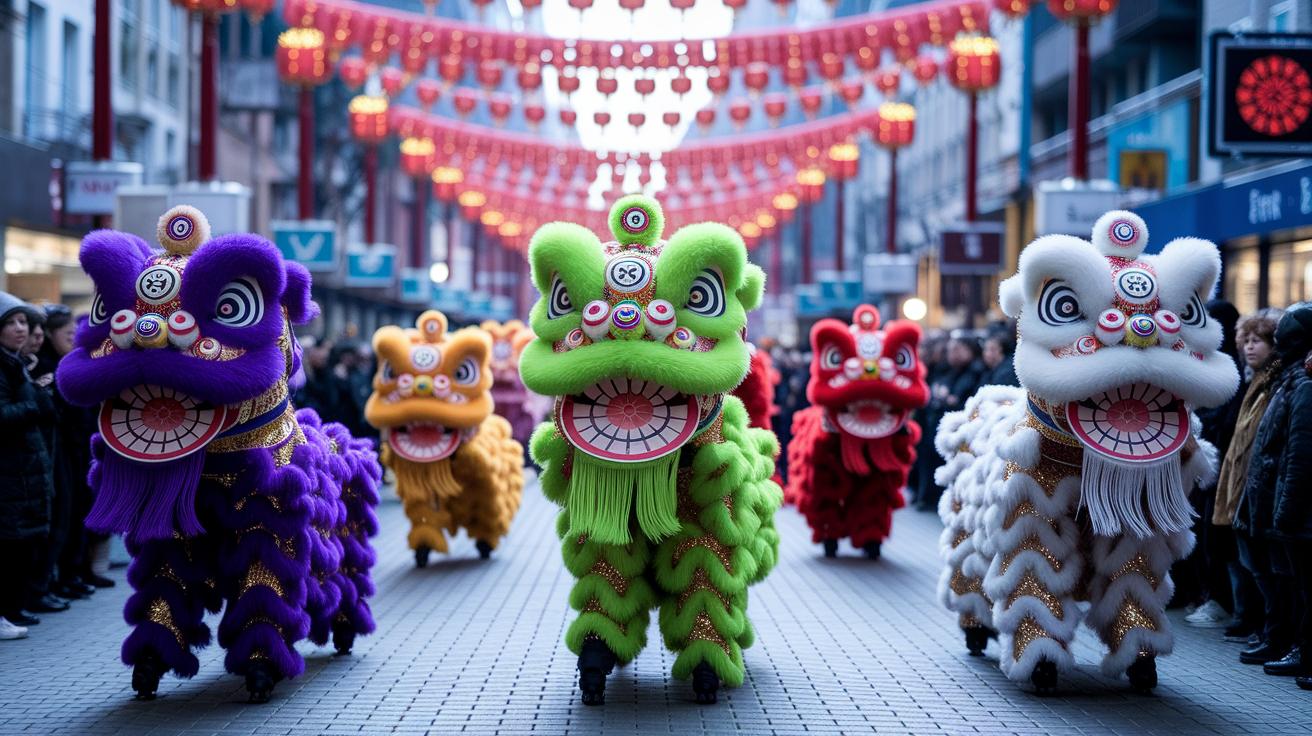
At the start of the year, we dive into a world of fresh beginnings and lively events. Chinese New Year, observed from late January to mid-February, transforms homes into cozy family hubs complete with joyful lion dances and bright, festive decorations. And then there’s Carnival in Brazil, a four-day burst of pre-Lenten fun with colorful parades and catchy samba beats that fills the streets with excitement. In India, Holi arrives in March like a playful splash of spring, drenching the city in vivid hues and fun water fights. Meanwhile in Thailand, Songkran, from April 13 to 15, turns the streets into a splash zone, celebrating the Thai New Year as winter gives way to a refreshing spring.
Come summer, the festivities take on a more reflective and community-centered vibe. In Japan, mid-August brings Obon, where warm, glowing lanterns and traditional dances honor family spirits and bring relatives together for quiet remembrance. Spain’s La Tomatina, held on the last Wednesday of August, turns Buñol into a hilarious free-for-all of tomato-throwing fun. Over in the United States, the Fourth of July lights up the summer with dazzling fireworks as people celebrate Independence Day, while Thanksgiving in November gathers families for cozy turkey feasts and heartfelt gratitude.
As autumn deepens, traditions invite us to slow down and reflect. Mexico’s Day of the Dead, celebrated from October 31 to November 2, mixes somber remembrance with bursts of color, think ornate altars and marigold decorations, that honor those who have passed. In India, Diwali, the Festival of Lights, arrives in October or November with radiant glows and shared sweets that mark the triumph of light over darkness. Each celebration, deeply rooted in local customs and the changing seasons, reminds us of the magic found in coming together to honor life’s moments.
Evolution and Preservation of Cultural Traditions
Traditional customs might seem slow to change at first, but cultures find fresh ways to keep alive their rituals using modern tools like digital archives and community projects. New technology helps capture local traditions in ways that everyone can share, even in over 80 different languages. Families around the world stay connected to their heritage by sharing stories that speak to the heart, no matter how remote their origins may seem.
Take Finland’s Wife Carrying Championship for example. Started in 1992 and growing international by 2005, this lively event shows how old traditions can mix with new energy. Community workshops, festivals, and storytelling events invite young people to learn and celebrate customs passed down through generations. And as modern tools blend with age-old practices, traditions become living stories, changing as they grow while still holding onto the spirit of the past.
Cultural Traditions’ Impact on Identity and Community
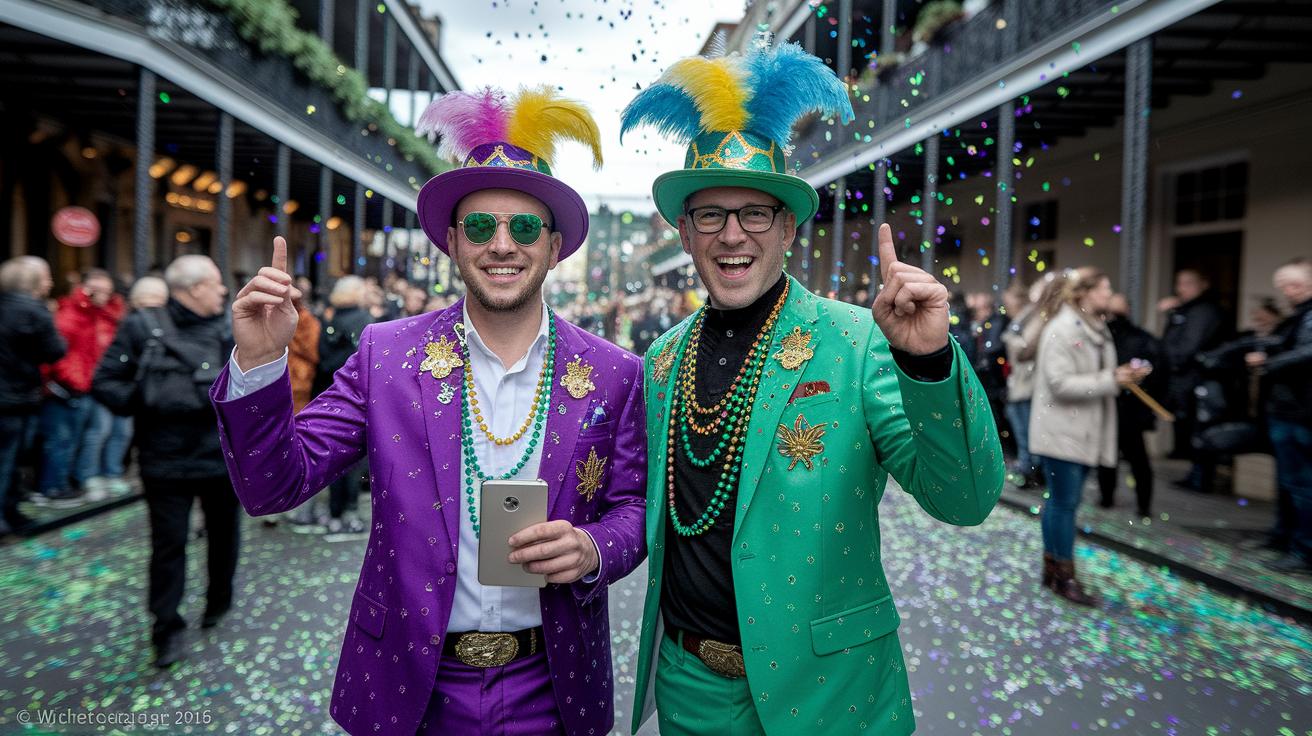
Cultural traditions do so much more than just pull people together, they create deep personal memories and tie us into a bigger community. One artist in New Orleans shared how Mardi Gras filled the streets with sparkle and set off a fire for creative expression. They said, "I remember feeling like every beat of the drum connected me to the generations in my family."
In Japan, a tea ceremony isn’t just part of the daily routine; it’s a calm, mindful moment that makes people feel connected and see their place in society. Stories like these show how different cultural practices can leave a lasting mark on our identity.
Over in Latin America, neighborhood celebrations mix old indigenous traditions with modern twists. Imagine walking into a town square where every smile and dance honors both your past and your dreams for the future. These festivities help shape who we are, blending history with hope in beautiful ways.
Final Words
In the action, we explored how cultural traditions shape our lives, from simple food customs to lively seasonal parties. We touched on global puzzles of unique ceremonial practices, etiquette insights, and the modern steps taken for preservation.
Every cultural event offers a special chance to bond and celebrate shared history. Sticking to these traditions brings warmth, connection, and a bright outlook on life. Enjoy the discoveries and keep celebrating the beauty of cultural traditions!
FAQ
Frequently Asked Questions
Q: What are some examples of cultural traditions?
A: The examples include community festivals, ceremonial rites, ancestral customs, and regional celebrations like food rituals, traditional dance, and art forms that highlight distinct heritage practices.
Q: What might the crossword clue for cultural traditions point to?
A: The crossword clue typically hints at words such as customs, practices, or rites, representing long-established social behaviors passed down through generations.
Q: How do cultural traditions vary around the world?
A: Cultural traditions vary globally from unique Asian festivals and European ceremonies to American celebrations, each reflecting a community’s distinct history, values, and social practices.
Q: What are some synonyms for cultural traditions?
A: Some synonyms include customs, practices, rites, and habits, all capturing the idea of long-established social activities handed down over time.
Q: What are some famous cultural traditions?
A: Famous cultural traditions include events like Holi, Day of the Dead, Carnival, and Fourth of July celebrations, each recognized for its historical significance and community spirit.
Q: What are 20 fascinating cultural traditions around the world?
A: These traditions range from religious ceremonies and seasonal festivals to unique rituals like Japan’s tea ceremony and Mexico’s Day of the Dead, showcasing global cultural diversity.
Q: What are five common examples of traditions?
A: Five common examples include family celebrations, seasonal festivals, religious ceremonies, local community practices, and annual cultural events that strengthen group bonds.
Q: What does “Cultural traditions FEMA” refer to?
A: “Cultural traditions FEMA” refers to how emergency planning addresses community practices, blending traditional customs with disaster preparedness and resilience strategies.
Q: What are cultural traditions?
A: Cultural traditions are long-established customs and practices passed down through generations that shape community identity and social behavior.
Q: What are the ten cultural values along with examples?
A: The ten cultural values often include respect, family, community, tradition, responsibility, hospitality, integrity, perseverance, unity, and innovation, each visible in everyday customs.
Q: What is culture and what are five examples?
A: Culture encompasses the beliefs, rituals, arts, language, and traditions of a community; five examples are language, culinary customs, art, celebrations, and social practices.