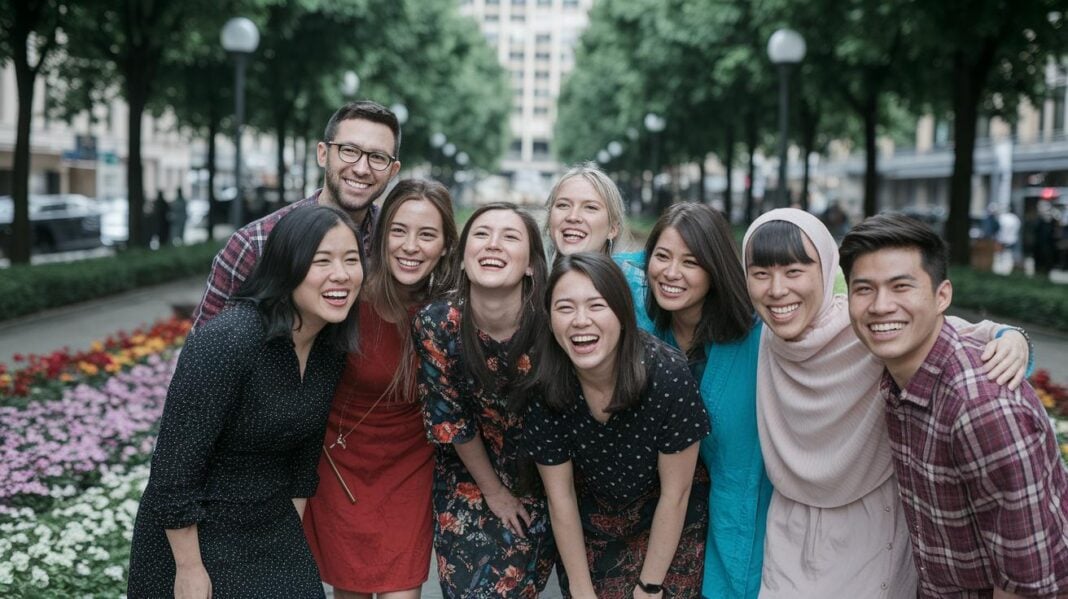
Have you ever wondered how some communities flourish by mixing different traditions? It’s because people can celebrate their unique heritage while coming together as one.
Imagine a neighborhood where different customs light up the streets like pieces of a colorful puzzle. This blend sparks fresh ideas and builds a sense of respect for everyone. In truth, when we honor our diverse backgrounds, we create the kind of warm, connected community we all long for.
Cultural pluralism Inspires Societal Harmony
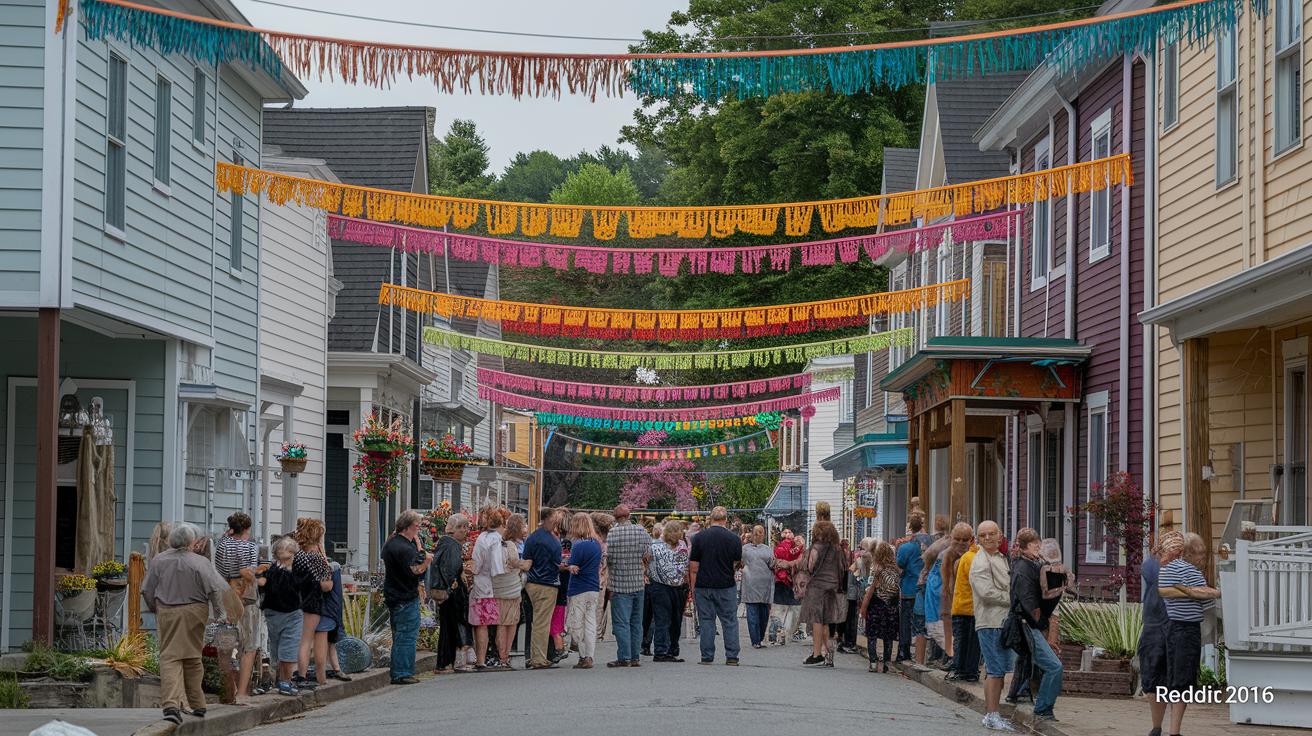
Cultural pluralism means having a society where people from all kinds of backgrounds live together while still keeping their own customs and traditions. It’s not about erasing differences or making everything the same; instead, it lets every identity shine. So, rather than making minorities fit a single mold, pluralism cheers on the mix of languages, traditions, and lifestyles that make each community special. Imagine a neighborhood where every family's holiday is celebrated like its own mini-festival!
This idea is key to making Diversity, Equity, and Inclusion real. It builds spaces where everyone’s story matters and fairness rules. Unlike assimilation, which can pressure people to lose what makes them unique, pluralism helps folks keep their individual marks. In simple terms, it builds communities where respect is shared and everyone helps each other grow. Think about neighbors coming together to enjoy and celebrate different traditions, that’s what it’s all about.
- mutual respect
- equality
- identity retention
When cultural pluralism takes hold, it sparks environments where new ideas and teamwork are the norm. This approach benefits neighborhoods and workplaces alike by encouraging people to show their true backgrounds. That openness leads to creative problem-solving and lively conversations where every voice truly thrives, crafting a friendly and strong social fabric.
Historical Evolution of Cultural Pluralism
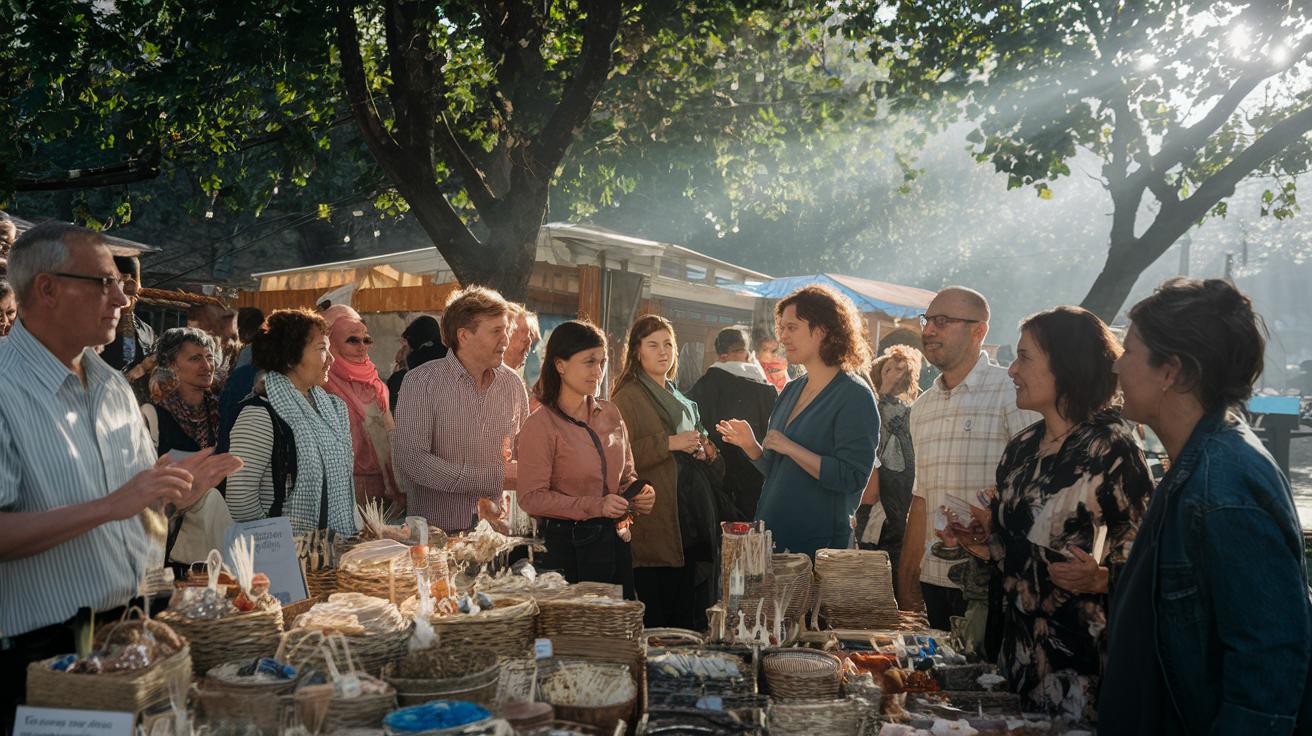
Long before we had modern borders or defined nations, people found ways to live together. Take Madinah in the 6th century, it wasn’t just a trade hub, but a lively melting pot where different tribes met, traded their goods, and shared stories. Imagine that: diverse folks coming together over everyday exchanges, planting early seeds for what we now call cultural pluralism.
In the 18th and 19th centuries, things began to change in North America. Groups like the Amish left their homes in Switzerland and Germany, carrying with them their time-honored traditions and faith. They set up little communities where their unique lifestyles thrived, all while becoming part of a larger society. It’s a neat reminder that you can hold on to your roots even when you join a bigger picture.
More recently, the United States helped coin the term "cultural pluralism" to describe the beauty of different ethnic and religious groups living in harmony. Not long after, Canada rolled out multicultural policies, lending a hand to Indigenous peoples, Francophone communities, and new immigrants alike. These efforts reshaped national identity and showed us that respecting individual cultures can build a stronger, more inclusive society.
Today, we see cultural pluralism shining in many corners of the globe. Switzerland, for example, officially recognizes four languages, reflecting its blend of cultural groups. In India, over 450 languages prove that diversity is woven into the very fabric of society. And cities like Melbourne and Sydney in Australia buzz with a mix of international traditions that mingle seamlessly with local customs. It all shows how diversity not only enriches our lives but also forges unity that crosses borders.
Cultural Pluralism in Practice: Global Case Studies
In North America, things are shifting in new and exciting ways. In cities like Houston, there’s been a 20% rise in the number of immigrants over the last ten years. Houston’s new wave of immigrants is sparking creative blends in food and art, showing us a fresh change from old stories we've heard about Canada and Amish communities.
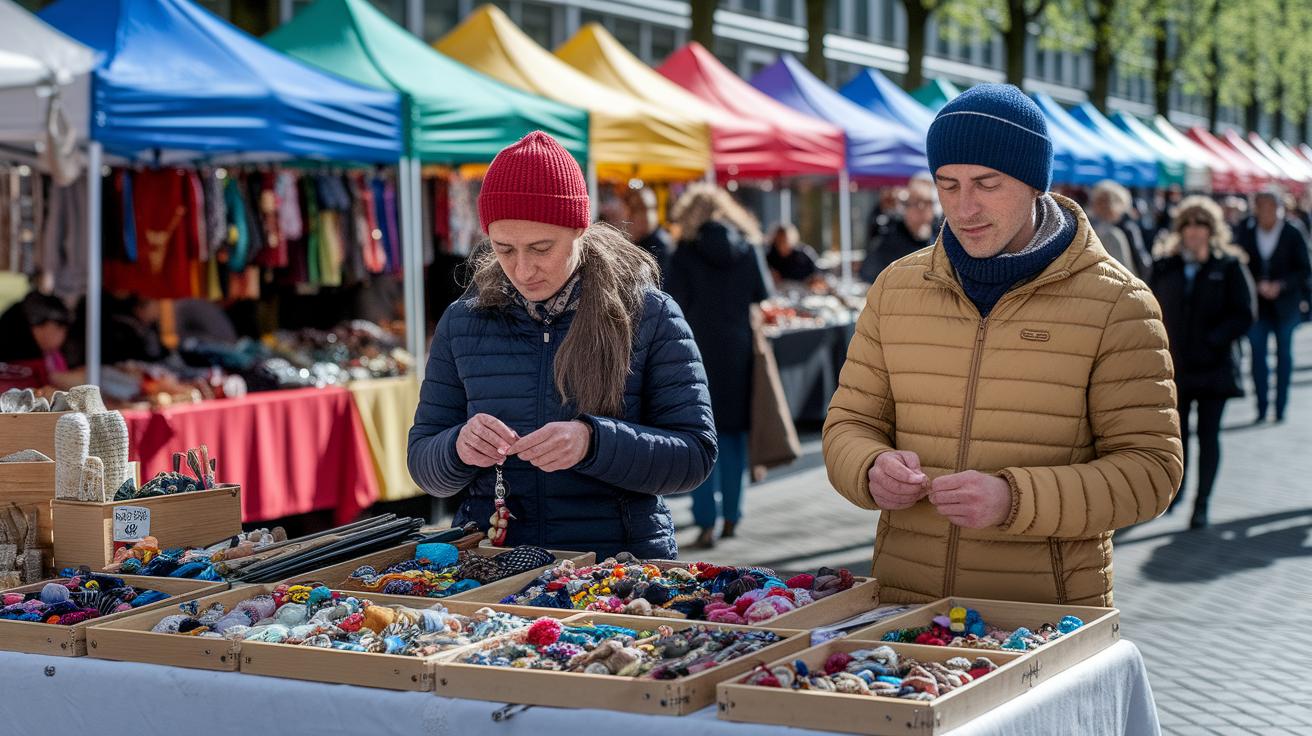
Over in Europe, smaller cities are stepping into the spotlight. While countries like Germany and Switzerland still lead the way, towns such as Utrecht are becoming hubs for immigrant entrepreneurs. For example, Utrecht’s local markets now feature artisans from many backgrounds who mix traditional crafts with modern styles, adding a gentle layer to how cultures live together.
In Asia and Oceania, there are both well-known and surprising developments. Beyond India’s famous language diversity and Australia’s varied cities, studies show that Singapore is growing as a mix of Eastern and Western urban vibes. Singapore has seen a 15% increase in mixed-heritage families in the past five years, giving cultural pluralism a modern twist.
| Region | Recent Trend |
|---|---|
| North America | 20% rise in immigrant numbers in cities like Houston |
| Europe | New hubs for immigrant entrepreneurs in towns like Utrecht |
| Asia & Oceania | 15% boost in mixed-heritage families in Singapore |
Comparing Cultural Pluralism, Assimilation, and Integration

Cultural pluralism loves a world where every group’s unique vibe is celebrated. Think of it like a big potluck dinner where everyone brings something special to the table. When we respect these differences, fresh ideas burst into life and spark innovation.
On the flip side, assimilation pushes people to fit into one main culture, which can wash out those little quirks that make each group special. Integration, meanwhile, invites everyone to join in fully, but it can sometimes blend things so much that the distinct flavors get lost.
In workplaces and communities, embracing pluralism opens up lively debates and encourages teamwork by letting every voice be heard. Assimilation might keep things uniform, but it can also curb those bold, new ideas. Integration offers a middle ground by getting everyone together, though it might miss out on celebrating every unique tradition. When companies and local groups choose to respect cultural heritage, they set the stage for not just internal progress but also a richer, more inclusive experience for everyone.
Challenges and Future Directions in Cultural Pluralism
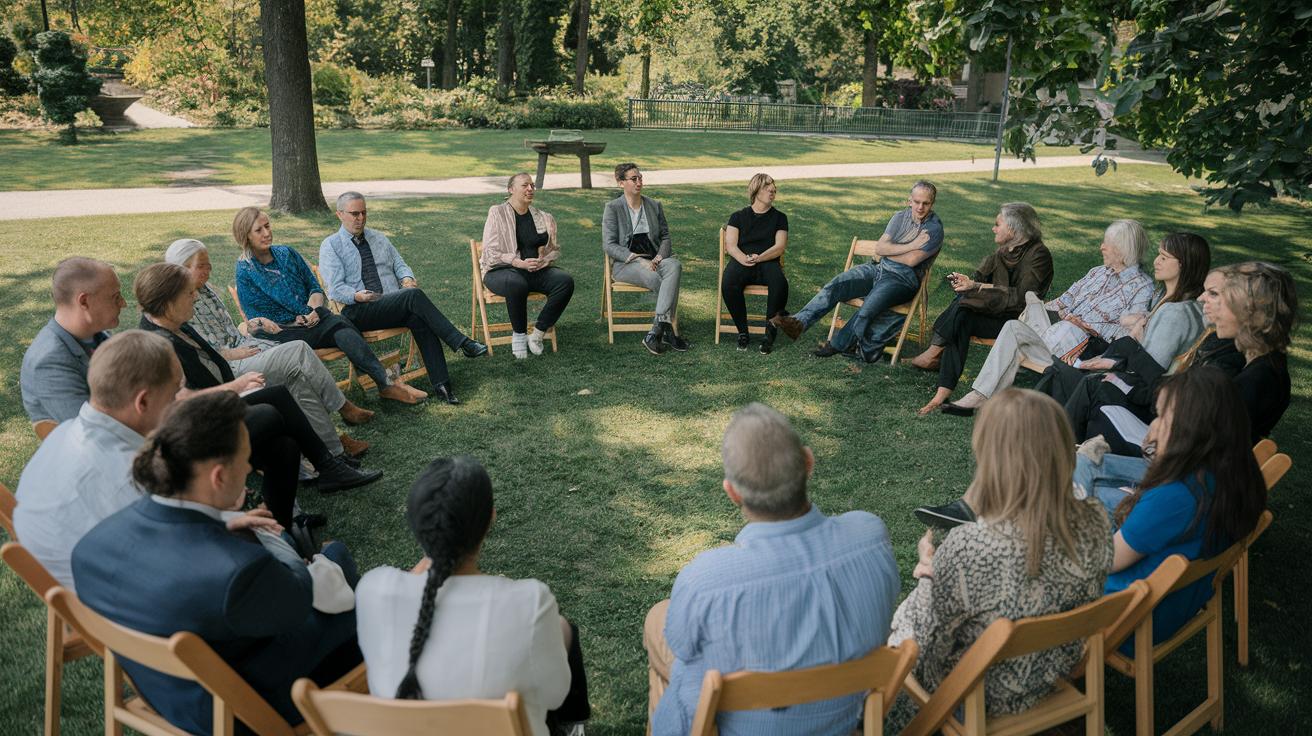
Even though cultural pluralism offers many benefits, it sometimes hits a few bumps in the road. People can easily misread traditions, leading to small ethical clashes. In communities not yet used to change, resistance to diversity can build up and shake the trust we need. The differences between cultural norms might spark debates that feel really hard to bridge, even when everyone wants to celebrate what makes us unique. So, we need genuine, open chats, fresh ways to communicate, and a real willingness to listen. It takes bold, honest cultural exchanges to make progress.
Thankfully, many communities and organizations are already getting creative with solutions. Think ethics workshops, interactive events, local festivals, and youth advisory groups to open up spaces for honest dialogue and cultural sharing. With steady policy support, engaging educational programs, and clear guidelines, we can balance unity with the celebration of each culture’s unique traditions. These efforts not only help solve conflicts but also keep a spirit of tolerance and collective progress alive, paving the way for stronger and more inclusive communities.
Emerging Trends and Strategies for Advancing Pluralistic Communities
Digital platforms and online intercultural chats are opening up new ways to connect and understand each other. Multicultural teaching is becoming a regular part of classrooms, while special consulting and member programs offer hands-on support for ethical growth. All these tools are setting the stage for a more connected and harmonious future.
Final Words
In the action, we explored cultural pluralism as a framework where diverse cultures thrive while keeping their unique identities. The article traced its history, showcased examples across the globe, and compared how pluralism stands against strict conformity measures.
We also looked at current challenges and bright strategies for building inclusive communities. This conversation leaves us inspired and ready to celebrate a world where differences add flavor and mutual respect guides every step.
FAQ
What is cultural pluralism in Sociology?
The concept of cultural pluralism means diverse cultures coexist while maintaining their unique identities. It explains how communities value differences and encourage respect among people in society.
What is the difference between cultural pluralism and multiculturalism?
The idea behind cultural pluralism is preserving distinct cultural identities alongside unity, while multiculturalism refers to the existence of various cultural expressions, often without stressing individual heritage protection.
What is an example of cultural pluralism?
An example of cultural pluralism is a city like New York, where people from different backgrounds keep their languages, traditions, and celebrations intact, showcasing a respectful blend of diverse cultures.
How is cultural pluralism applied in education?
Cultural pluralism in education means including various cultural perspectives in the curriculum to promote mutual respect and a richer learning environment for students from all backgrounds.
How does cultural pluralism differ from assimilation?
Cultural pluralism emphasizes keeping diverse cultural practices intact and celebrating differences, while assimilation pushes groups to conform to a dominant culture, often leading to loss of unique traditions.
Where can I find more resources on cultural pluralism?
More resources on cultural pluralism include academic PDFs, specialized courses, and community classes that provide detailed insights and practical examples for further understanding.