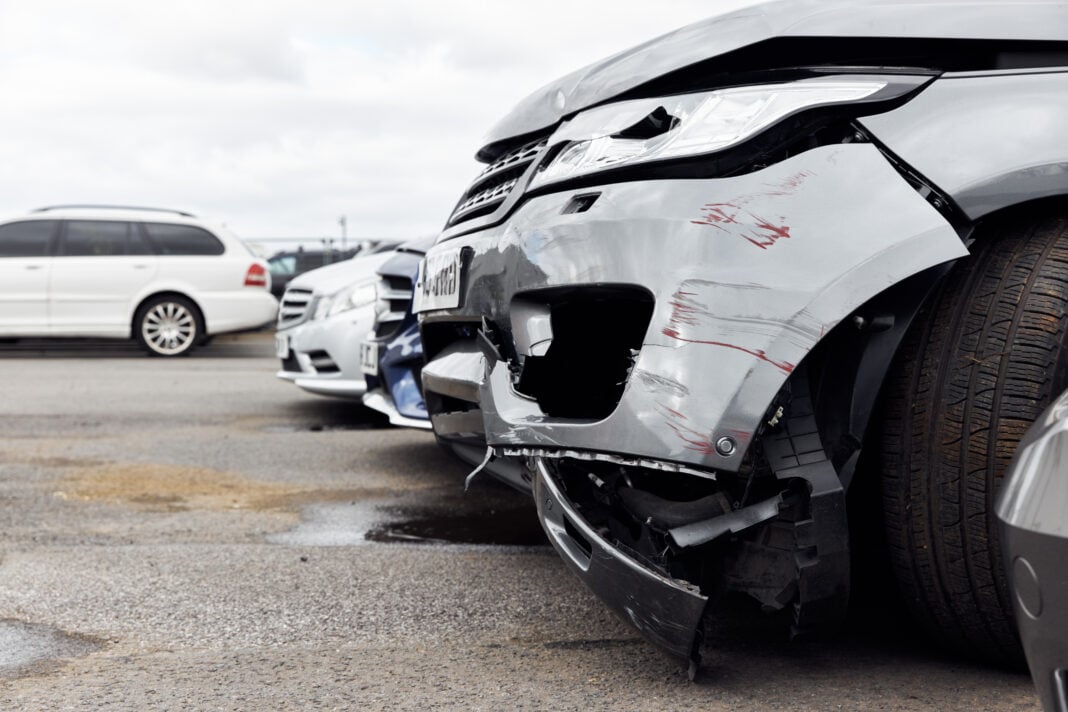
A fender bender might leave nothing more than a scuff on your bumper, but sometimes your dashboard tells a different story. If warning lights suddenly illuminate after even a low-speed collision, it’s natural to wonder why. The truth is, modern vehicles are packed with sensors designed to detect the smallest irregularities, and a minor crash can trigger several of them at once. Understanding what’s behind these alerts can help you decide whether it’s time to visit an auto body shop for a closer look.
Your Car’s Sensors Are More Sensitive Than You Think
Today’s vehicles rely on an intricate network of sensors that monitor everything from tire pressure to engine performance. These systems are built to catch problems early, which means they often react to impacts that seem too small to matter. A minor crash can jostle wiring connections, shift sensor alignment, or momentarily disrupt an electrical signal. Even if there’s no visible damage, the onboard computer may still register something out of the ordinary and respond by lighting up the dashboard.
This sensitivity is a good thing overall. It means your car is doing its job by flagging potential issues before they become bigger, costlier problems. However, it can also mean that a light appears simply because a sensor was jarred loose or reset itself unexpectedly, not necessarily because there’s a serious mechanical issue.
Common Warning Lights After a Collision
Several dashboard lights are especially prone to appearing after a crash, even a mild one.
- Check Engine Light: This is one of the most common indicators to appear after an impact. It can be triggered by anything from a loose gas cap knocked during the collision to a more significant issue with the engine control unit.
- Airbag Light: Even if your airbags didn’t deploy, the impact sensors connected to the airbag system may detect enough force to log an issue. This light should never be ignored, as it relates directly to a critical safety system.
- ABS or Brake Light: A crash can affect brake lines, sensors, or hydraulic pressure. If this light comes on, it’s worth having your brakes inspected right away.
- Tire Pressure Warning: A collision can cause a slow leak or knock a tire sensor out of calibration, leading to this alert even if the tire looks fine.
- Battery or Charging System Light: Impacts can sometimes loosen battery connections or damage the alternator, causing this light to appear.
Each of these lights points to a different system, but they all share one thing in common: they’re worth investigating.
Hidden Damage You Can’t See
One of the trickiest aspects of minor collisions is that damage isn’t always visible from the outside. Bumpers and body panels are designed to absorb impact, which sometimes means the force gets transferred to components underneath, like sensors, wiring harnesses, or mounting brackets. A dashboard light can be the first clue that something beneath the surface needs attention.
This is particularly true for vehicles with advanced safety features, such as parking sensors or collision-avoidance systems. These components are often mounted in the bumper or grille area, precisely where minor crashes tend to make contact. Even a slight misalignment can cause the system to malfunction or trigger a warning light, even though the vehicle looks perfectly fine.
Why You Shouldn’t Ignore the Lights
It’s tempting to dismiss a warning light after a minor crash, especially if the car seems to drive normally. But these alerts exist for a reason. Ignoring them could mean missing a small issue that grows into a larger, more expensive repair down the road. In some cases, it could also mean driving with compromised safety systems, which is a risk not worth taking.
A qualified auto body shop can run diagnostics to determine exactly what triggered the light. Technicians can inspect sensors, wiring, and mechanical components that may have been affected by the impact, giving you a clear picture of what’s going on beneath the surface. This kind of thorough inspection offers peace of mind that a quick glance under the hood simply can’t provide.
When to Get It Checked
If a warning light appears after any collision, no matter how minor, it’s a good idea to have your vehicle inspected sooner rather than later. Prompt attention can catch hidden damage early, keep repair costs manageable, and ensure your car’s safety systems are functioning as intended. Trusting a professional to diagnose the issue means you won’t be left guessing about what that little light on your dashboard is really trying to tell you.