A novel that runs to 210 pages and covers three days has nowhere to hide. No decade passes in which a character turns into someone else, and no chapter break lets an argument cool for a year. Whoever speaks does it now, in this room, in front of these people.
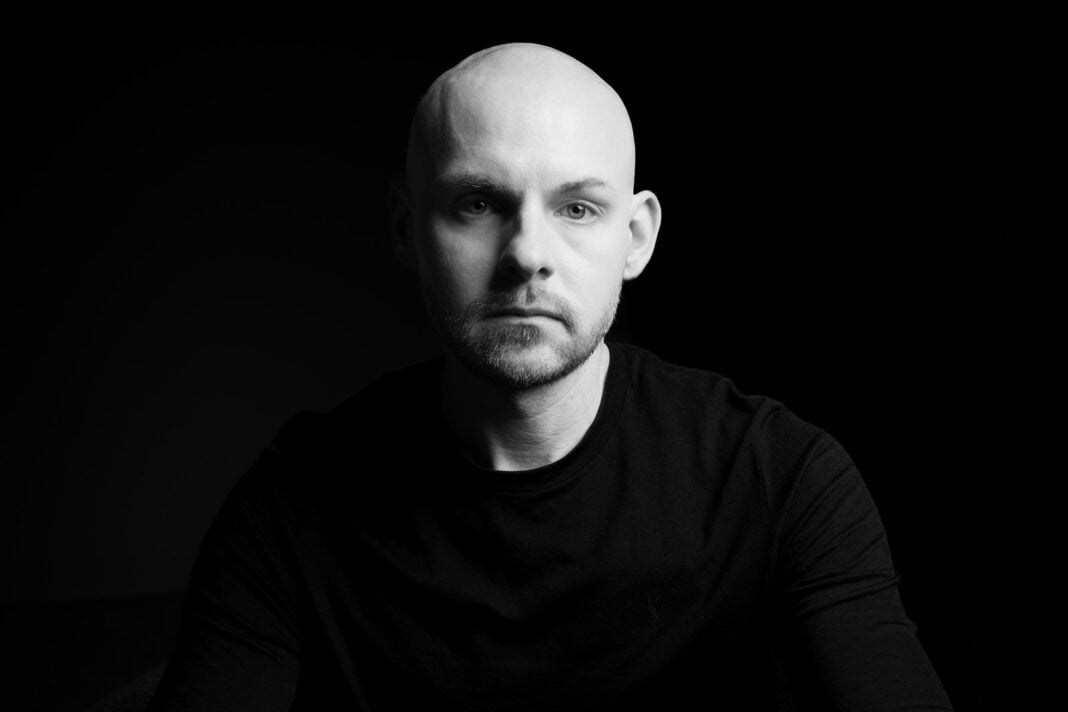
Jeremy Bradley-Silverio Donato set himself that constraint on purpose. Indigo River Publishing released his novel Three Days Grace on 12 May 2026, Simon & Schuster distributes it, and it gathers five people in a Paris hotel on the eve of a departure for South Africa. What should be a farewell becomes the night a family stops managing itself. Kirkus Reviews described the result as “a dark, dramatic, and thoughtful reflection on the traumatic aspects of love and family”.
“I love novels with expansive timelines, so I wanted to see what would happen if I took away that luxury,” the author says of the decision. “Three days is long enough for relationships to change and decisions to be made, but short enough to create urgency. The characters cannot simply postpone the things they have spent years avoiding.”
The subject is silence
The book belongs to a particular tradition: the enclosed group, the fixed span of hours, the pressure that builds because nobody can leave. What Donato puts inside that structure is not a secret in the thriller sense. It is the ordinary architecture of a family, the subjects everyone has agreed not to raise and the vocabulary that has grown up around avoiding them.
He has written about this in his own voice elsewhere. Speaking to YASS Magazine in April, he put it in terms that explain both the novel and its readership: “Silence is one of the first languages many queer people learn. Not just what not to say, but how to listen for what’s missing.”
That is the novel’s argument. Silence works as a system: children learn it early, adults maintain it at cost, and families hand it on. The book reads it through an LGBTQ+ lens, and the questions it produces are not confined to one: whether the past can be escaped, whether some actions sit beyond forgiveness, and how much grace people owe each other and themselves.
Reviewers have responded to the intensity rather than the plot. Independent Book Review called it “a quiet novel on trauma, loss, and the way secrets both kept and shared have long-lasting ripple effects”, noting that the prose “drips with meaning and emotion”. The Independent Review of Books wrote that “through rich prose that feels both urgent and effortless, readers are welcomed into each of these characters’ wounds and defense mechanisms”. The novel takes on childhood abuse and its aftermath, and reviewers say so up front for readers who want to know before they start.
Refusing the easy resolution
Writing about trauma carries a familiar temptation: to let the damage become the character, and to close the book with a verdict. Donato describes resisting both.
“I wanted the novel to acknowledge the lasting effects of trauma while still leaving room for complexity, tenderness and hope,” he says. “That required learning to trust ambiguity. Fiction does not always need to tell the reader what to think. Sometimes its job is to leave you with a question you are still considering days later.”
That refusal shapes how the characters treat each other. “People are rarely just one thing,” he says. “Someone can hurt you and still have loved you. Someone can make a terrible decision without being reducible to that decision. Two people can remember the same relationship completely differently.”
An unusual route to the novel
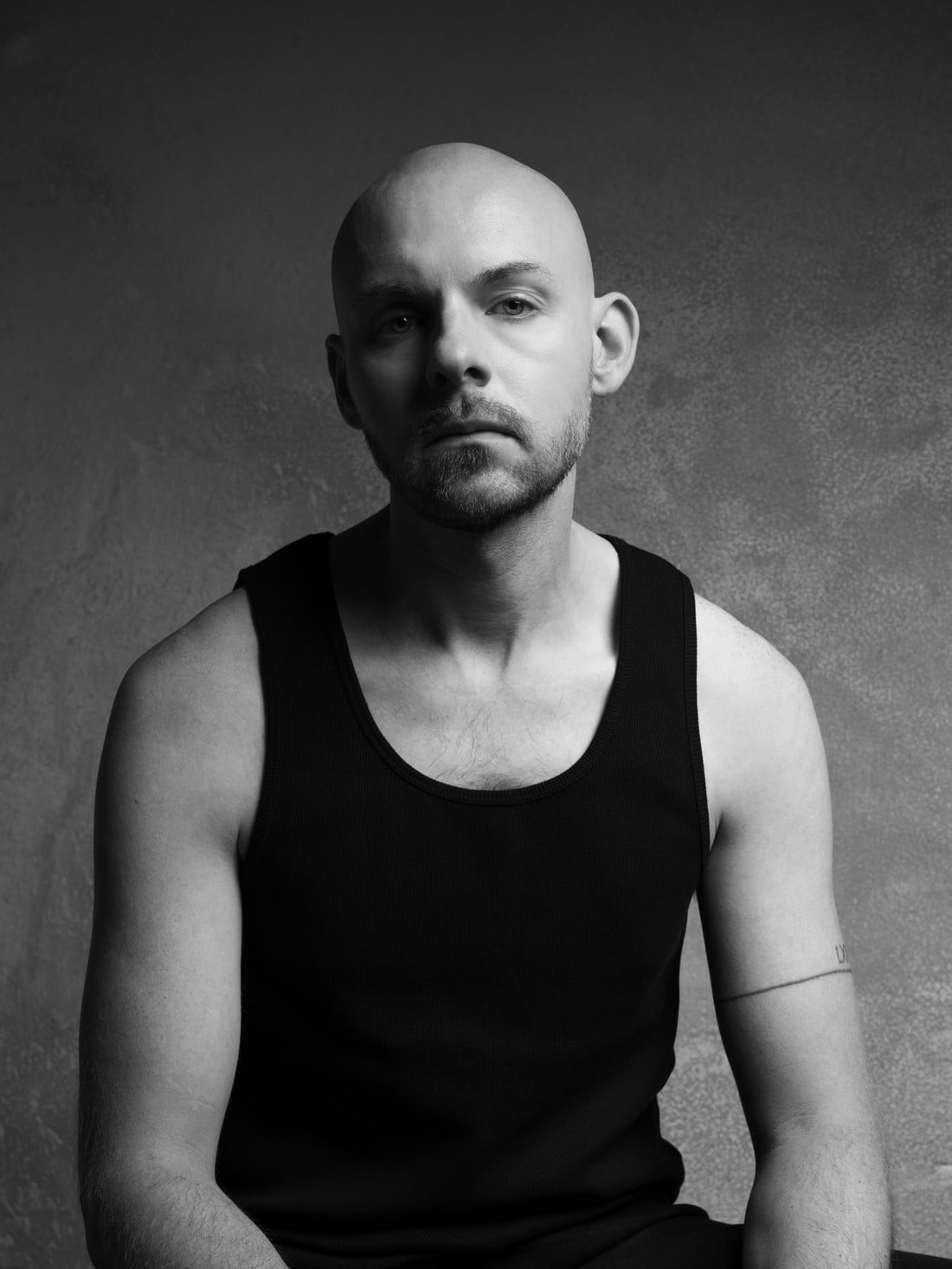
Donato is an American living in Paris, and his path to fiction runs through an uncommon second career. Alongside the novel he writes on leadership and organisational culture, including as a Forbes contributor, and he holds a degree from Oxford.
The two halves are less separate than they look. In a Forbes piece in August, he argued that organisations decay around the things nobody will say out loud, and burn money and trust on problems their own staff identified months earlier. He is describing his novel with the family swapped for a company.
“I’m fascinated by the parallels between organizations and families,” he says. “Both develop their own histories, hierarchies, secrets and subjects that everyone understands but nobody discusses.”
His advice to anyone standing between two identities is to stop choosing. “You don’t necessarily have to choose between being a businessperson and an artist, or between the practical and creative parts of yourself. Some of the most interesting work can happen where those identities meet.”
The reception, and what comes next
Three Days Grace has given reviewers plenty to argue about. It holds a 4.39 average across more than a hundred Goodreads ratings, drew coverage from Kirkus, YASS Magazine, QueerAF and Independent Book Review, and took a Silver medal in Fiction at the 2026 Living Now Book Awards. The author also lists a win in LGBTQ+ Fiction at the American Fiction Awards, a Silver at the Readers’ Choice Awards, and three International Firebird Book Awards including first place for Contemporary Novel.
He is clear that the book is fiction rather than memoir, and clear about what he wants the next one to do. “I’m interested in writing books that are distinctly queer without being limited to a single definition of queer fiction,” he says, “stories that can engage with sexuality and identity while also asking larger questions about family, beauty, memory, aging, ambition, desire and human connection.”
What he wants from the work itself is narrower. “My aspiration is ultimately quite simple: to keep writing books that stay with readers after they finish them.”
A novel that gives five people 72 hours and no exit makes a reasonable case that he can do it. Three Days Grace is available now from Simon & Schuster and major retailers. Jeremy Bradley-Silverio Donato writes at jeremycbradley.com and on Substack.