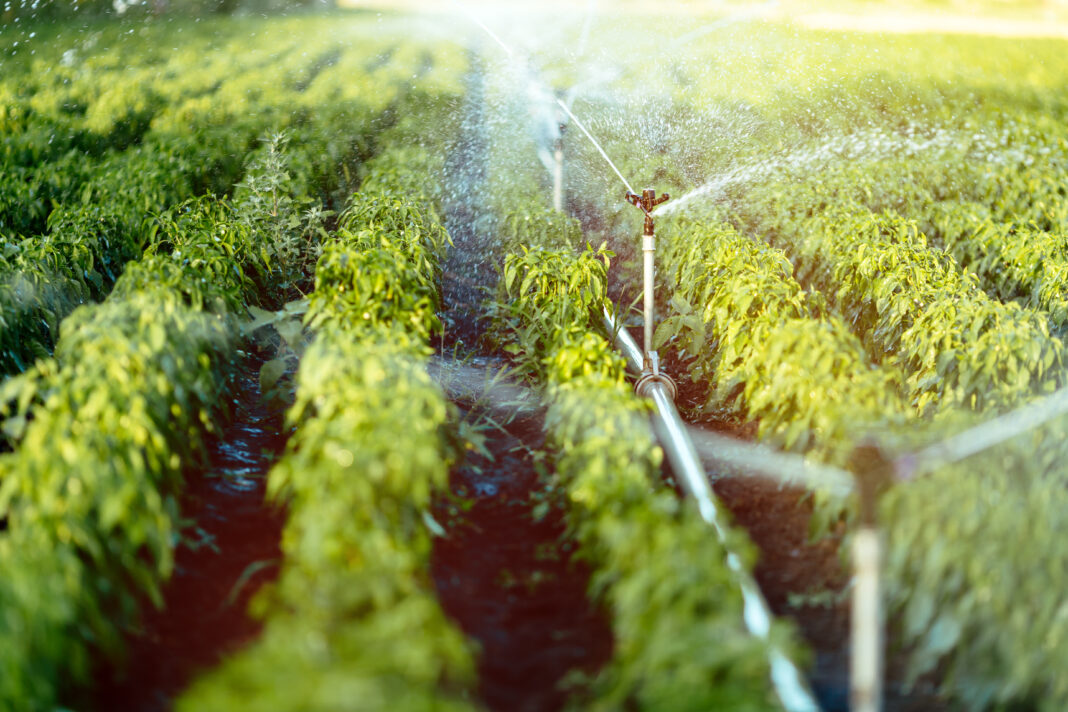
A well-designed irrigation system does more than keep your landscape green—it saves you time, money, and frustration for years to come. Too often, homeowners and landscapers focus solely on immediate watering needs, overlooking the long-term maintenance and serviceability of their setup. Planning ahead ensures your irrigation system remains efficient, easy to repair, and adaptable to future changes.
Start with a Clear Site Assessment
Before laying a single pipe, take time to thoroughly assess your property. Note the soil type, slope, sun exposure, and existing vegetation. These factors influence water distribution and help determine where components like valves and sprinkler heads should be placed. A thoughtful site assessment also helps you anticipate problem areas, such as low spots prone to pooling or high spots that dry out quickly.
Mapping your property on paper or using digital design software can help visualize zones and pathways. This upfront planning minimizes the need for costly adjustments later and creates a foundation for a system that’s easier to service down the road.
Choose Quality Components
The materials and components you select play a major role in long-term serviceability. Opt for durable pipes, fittings, and valves designed to withstand your local climate conditions, including temperature fluctuations and soil composition. Investing in reputable brands with readily available replacement parts can save you significant headaches if repairs are ever needed.
It’s also worth considering modular components that allow for easy upgrades or replacements. Systems built with flexibility in mind are far simpler to adjust as your landscape evolves, whether you’re adding new garden beds or changing turf areas.
Design for Accessibility
One of the most overlooked aspects of irrigation planning is accessibility. Valves, backflow preventers, and controllers should be placed in locations that are easy to reach for routine maintenance and repairs. Avoid burying critical components too deep or placing them beneath structures that are difficult to access.
Labeling valve boxes and keeping a detailed map of your system’s layout can make future troubleshooting much faster. When a problem arises, having clear documentation prevents unnecessary digging and guesswork, saving both time and resources.
Plan for Zoning and Scalability
Dividing your irrigation system into zones based on plant type, sun exposure, and water needs not only improves efficiency but also simplifies maintenance. If one zone requires repair, you can isolate it without disrupting the entire system.
When planning zones, think beyond your current landscape. Consider how your property might change in the coming years. Will you be adding a vegetable garden, expanding flower beds, or installing new turf? Designing a system with room for expansion prevents the need for a complete overhaul later and keeps future modifications straightforward.
Incorporate Smart Technology Thoughtfully
Modern irrigation systems often include smart controllers, moisture sensors, and weather-based adjustments. While these technologies can enhance efficiency, it’s important to choose options that are easy to update, repair, or replace. Overly complex or proprietary systems can become a liability if the manufacturer discontinues support or if parts become hard to find.
Select technology from established providers known for strong customer support and compatibility with standard irrigation components. This approach ensures your system stays serviceable even as technology evolves.
Schedule Regular Maintenance Checks
No matter how well a system is designed, regular maintenance is essential for long-term performance. Build a maintenance schedule into your planning process from the start. This might include seasonal inspections, filter cleaning, and checking for leaks or clogged heads.
Routine checks help catch small issues before they become costly repairs. They also extend the lifespan of your system’s components, ensuring your investment continues to pay off year after year.
Work with Experienced Professionals
If you’re not confident in designing or installing an irrigation system yourself, consulting with an experienced professional can make a significant difference. A skilled installer understands how to balance water efficiency with long-term serviceability, helping you avoid common pitfalls that lead to frequent repairs or inefficient water use.
Professionals can also recommend the best materials and layouts based on your specific property and climate, ensuring your system is built to last.
Final Thoughts
Planning an irrigation system with long-term serviceability in mind requires careful attention to site conditions, component quality, accessibility, and scalability. By thinking ahead and prioritizing ease of maintenance, you can create a system that keeps your landscape thriving while minimizing future headaches. A little extra planning today goes a long way toward years of reliable, efficient irrigation.