Ever wonder if old beats still move us deep down? The 60s were more than just catchy tunes – they broke the mold and brought in fresh sounds full of change and hope. Familiar melodies teamed up with raw energy as artists blended early rock and roll with soulful rhythms and strong protest songs. In this post, we'll dive into how those bold sounds from a lively decade reshaped music and set the stage for the styles we groove to today.
60s music styles: Groovy and Iconic Beats
At the start of the 60s, you could still hear echoes from the 50s. Familiar voices like Elvis Presley and Ray Charles, along with groups such as Dion and the Belmonts and The Everly Brothers, filled living rooms as record players spun catchy novelty hits like "Tom Dooley" and "Monster Mash." These classic tunes created a warm bridge between beloved past sounds and the exciting new vibes of the decade.
Big changes in society quickly shifted the musical scene. Major events like the JFK assassination, the escalation of the Vietnam War, and the rise of the civil rights movement stirred up fresh lyrical themes. Music took on a raw, honest energy that connected people through shared hopes and struggles.
- Early rock n’ roll revival
- Surf rock instrumentals
- British Invasion rock
- Motown soul
- Folk-rock protest songs
These many styles set the stage for some bold experiments in music. British Invasion bands reinvented rock with vibrant electric guitar riffs, while Detroit’s Motown delivered smooth, soulful grooves that truly touched hearts. Over in California, surf rock brought upbeat instrumental melodies into the spotlight, and the folk-rock movement, sparked by artists like Bob Dylan, used simple but powerful acoustic storytelling to challenge the status quo. By blending time-honored sounds with a fresh, socially charged twist, the 60s became a turning point that pushed artists to explore new creative territories and completely reinvent popular music.
Classic Rock Evolution in 60s Music Styles
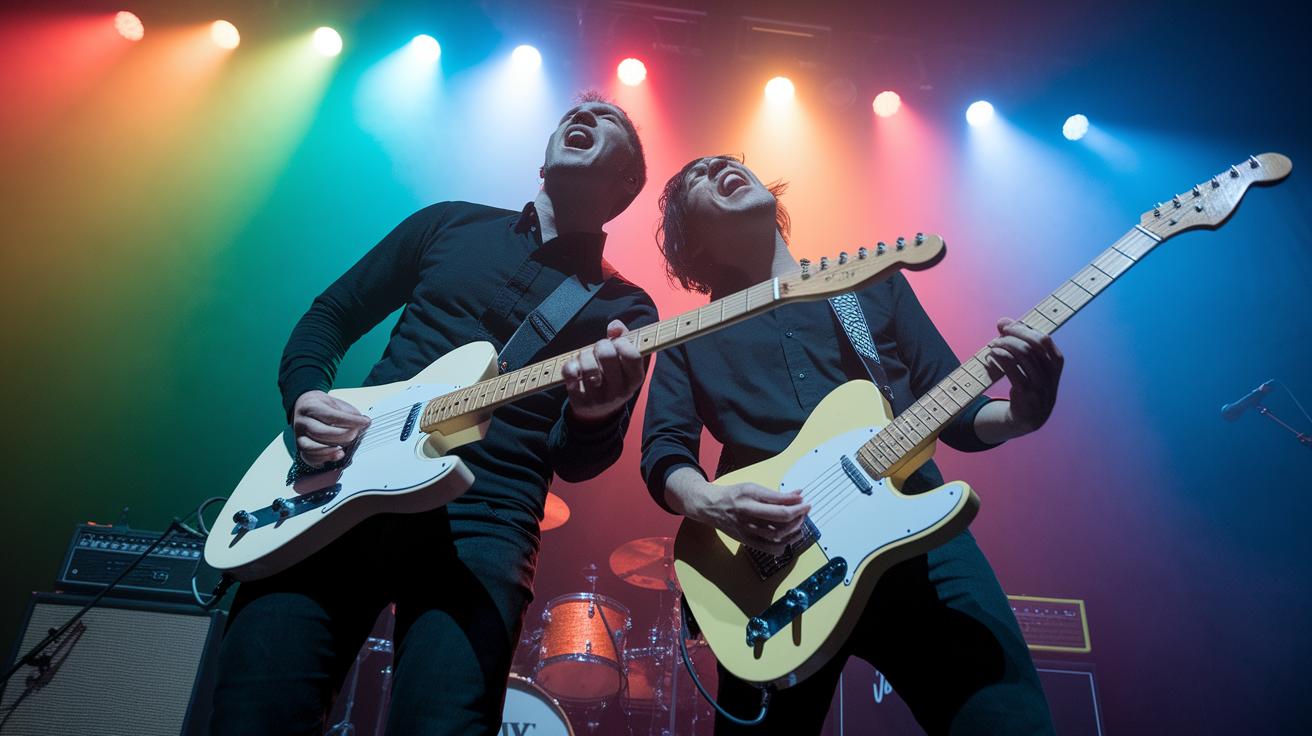
Back in the 60s, British rock bands and American surf-rock pioneers totally shook up the music scene. British groups like The Beatles, The Rolling Stones, and The Kinks changed the game with gritty guitar sounds and lively shows, while American bands like The Beach Boys mixed catchy tunes with cool studio experiments. This mix of styles created a buzzing atmosphere where wild guitar solos and fresh sound techniques took center stage, sparking excitement in clubs and on TV. And behind the scenes, talented session players like those from The Wrecking Crew helped lock in these sounds, turning them into hit after hit that echoed on radios and filled record stores.
| Band | Signature Song | Year |
|---|---|---|
| The Beatles | Please, Please Me | 1963 |
| The Rolling Stones | (I Can’t Get No) Satisfaction | 1965 |
| The Kinks | You Really Got Me | 1964 |
| The Beach Boys | Good Vibrations | 1966 |
| The Byrds | Mr. Tambourine Man | 1965 |
| The Turtles | Happy Together | 1967 |
Riff after riff and electrifying live shows pushed classic rock to new heights throughout the decade. There's something magical about those raw gigs, bands would let loose with long solos, spontaneous banter, and surprise jam sessions that turned studio tracks into real audio adventures. These shows were more than just displays of skill; they sparked a cultural wave where every chord and note added to the era's buzz, inspiring a whole generation of musicians to experiment and reimagine what rock music could be.
Motown Soul Classics Shaping 60s Music Styles
Back in the late 50s and early 60s in Detroit, Motown Records burst onto the scene with some of the catchiest, soulful tunes around. Their sound was smooth and full of life, giving fans a cool, fresh alternative to the usual music. Right from the start, they introduced unforgettable groups like The Miracles, The Supremes, The Temptations, The Marvelettes, and The Four Tops, leaving an enduring mark on music history.
Soon, solo stars and group icons alike, think Stevie Wonder, Marvin Gaye, Aretha Franklin, and The Jackson 5, showed everyone what true soul was all about. Their classic hits didn’t just win hearts; they also became anthems during key moments of the Civil Rights Movement. Imagine the smooth groove of a Stevie Wonder tune or the stirring power of Aretha’s voice echoing through community gatherings. Each song felt like it was calling you to join in and be part of a bigger change.
Motown’s polished production and its inviting call-and-response style did more than just create great music. The soul ballads and timeless melodies became a way for people to share hope and unity during some pretty tough times. This mix of catchy rhythm and heartfelt emotion not only defined a whole genre, it showed just how powerful music can be in moving society forward.
Psychedelic Era Rock within 60s Music Styles
On March 4, 1966, John Lennon casually said something that lit a spark of change. He dropped a line that made folks start questioning old rules, a move that soon had people growing their hair long, sporting mustaches, and just having fun with breaking the mold. It was like society was invited to try living a little freer.
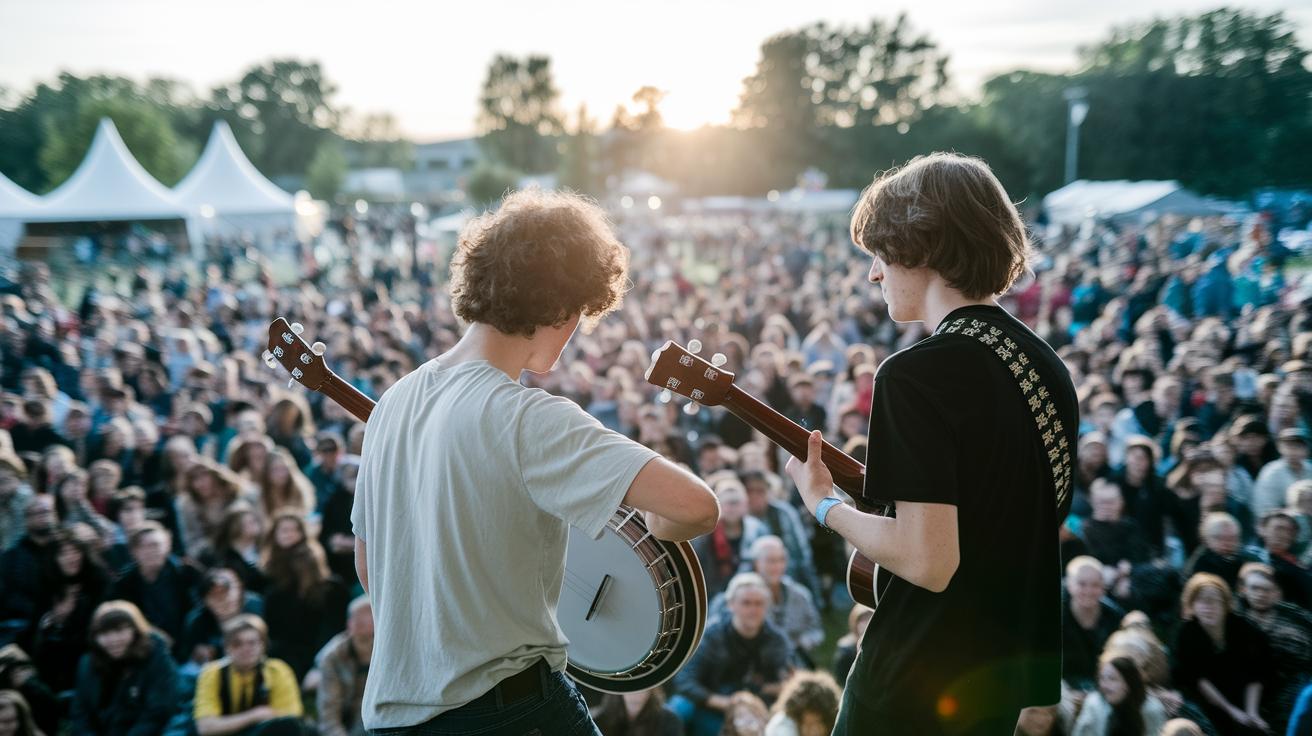
Then came the Summer of Love in 1967. San Francisco turned into a playground of sounds and wild energy. Imagine open-air shows, impromptu jams under the sky, and gatherings where everyone felt like they were part of something big. Acid rock and jam sessions were the soundtracks to this revolution, inviting everyone to tap into the joy of creative rebellion.
Musicians were playing around with new sounds, blending the classic rock vibe with fresh, experimental twists. They mixed in feedback loops, tape echoes, and even the dreamy sound of the sitar to create tracks that felt like a trip through an entirely new world. Bands such as Quicksilver Messenger Service, The Grateful Dead, Janis Joplin, and Joy of Cooking let their imaginations run wild with improvised jams in cozy clubs and underground spots. Every gig became an adventure, a moment of pure experimentation that captured the spirit of a movement still felt today.
Folk Revival Trends in 60s Music Styles
Before setting the stage for a folk revolution, Dylan’s simple yet powerful melodies were the spark that lit the fire of protest music. Back in 1962, Bob Dylan burst onto the scene with raw, acoustic tunes and honest lyrics that really grabbed a young, restless crowd. His voice, unfiltered and straight from the heart, tackled big issues like civil rights and war, nudging everyone to question the usual way things were done.
Soon enough, the protest vibe spread. Remember Peter, Paul and Mary? Their take on “Blowin’ in the Wind” quickly became a major rallying call for social justice. And then, bands like The Byrds jumped in by mixing Dylan’s storytelling with the cool jolt of a 12-string guitar, creating a fresh kind of sound. Imagine sitting in a cozy coffeehouse, where every note feels like a warm conversation about change and hope, a vibe that perfectly captured the electric spirit of the 60s.
British Invasion’s Impact on 60s Music Styles
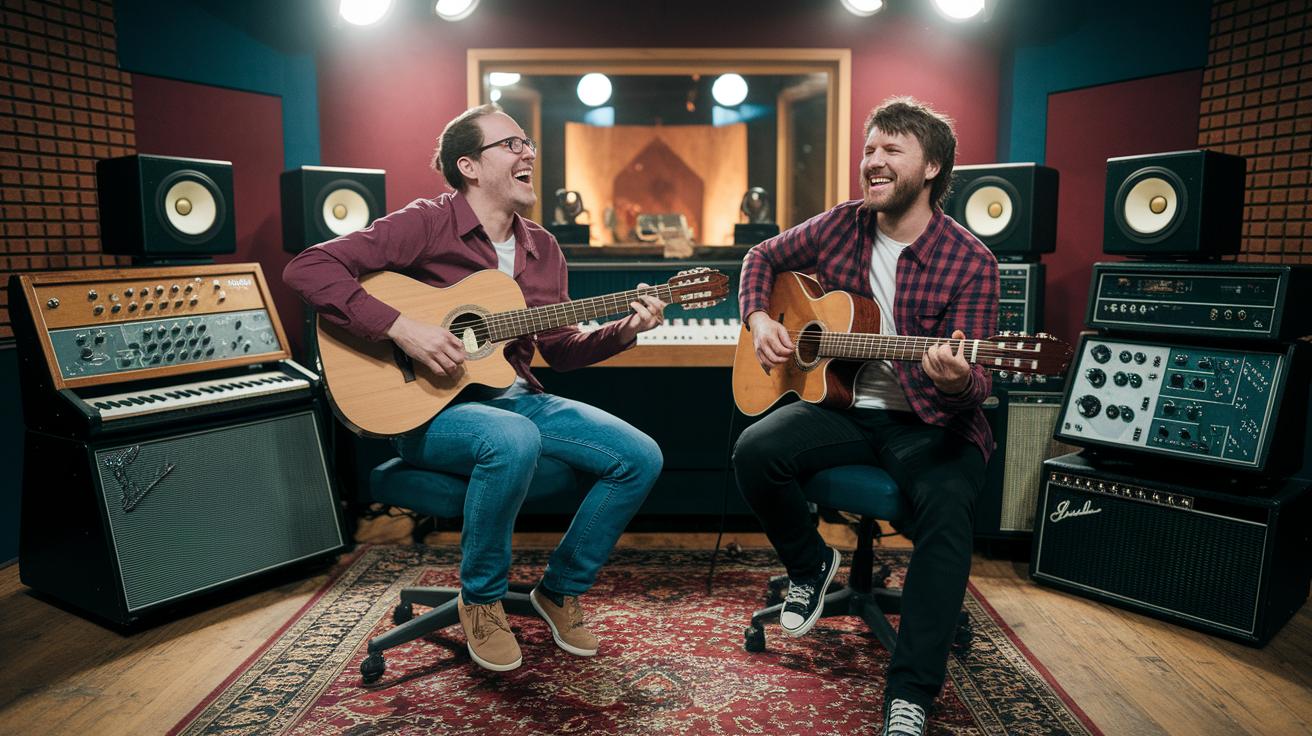
Back in 1964, the Beatles totally changed the vibe on American TV. They mixed cheeky banter with bursts of energy that had never been seen before. Picture this: a band, right in the middle of a live show, winks at the crowd, sparking a whole new wave of fun on stage.
British bands stepped up with a style full of fresh energy and smart humor. They ditched the overly polished routines for spontaneous gestures and lively chat that made fans smile and clap. It was like witnessing a friendly joke right in the middle of a song.
This cool, new approach changed live shows forever. It wasn’t just about the sound, every bit of the performance got a whole new vibe. Today’s concerts still carry that contagious mix of music and onstage personality, thanks to those game-changing moments from the 60s.
Studio Production Breakthroughs in 60s Music Styles
Session musicians really set the stage back in the 60s. You know, before these pros became famous names, they were the driving force behind tracks that would eventually top the charts. A group called the Wrecking Crew, based in Los Angeles, played on hundreds of hit records, and their talent helped shape the sound of an entire era.
Studios turned into creative playgrounds thanks to new gear and mixing tricks. Producers moved away from plain old mono to experimenting with four-track and stereo mixes, which added layers and textures to the music. They played around with effects like tape delay, plate reverb, and early multi-tracking to create a warm, inviting sound that still shines in modern production.
Counterculture Movements Reflected in 60s Music Styles
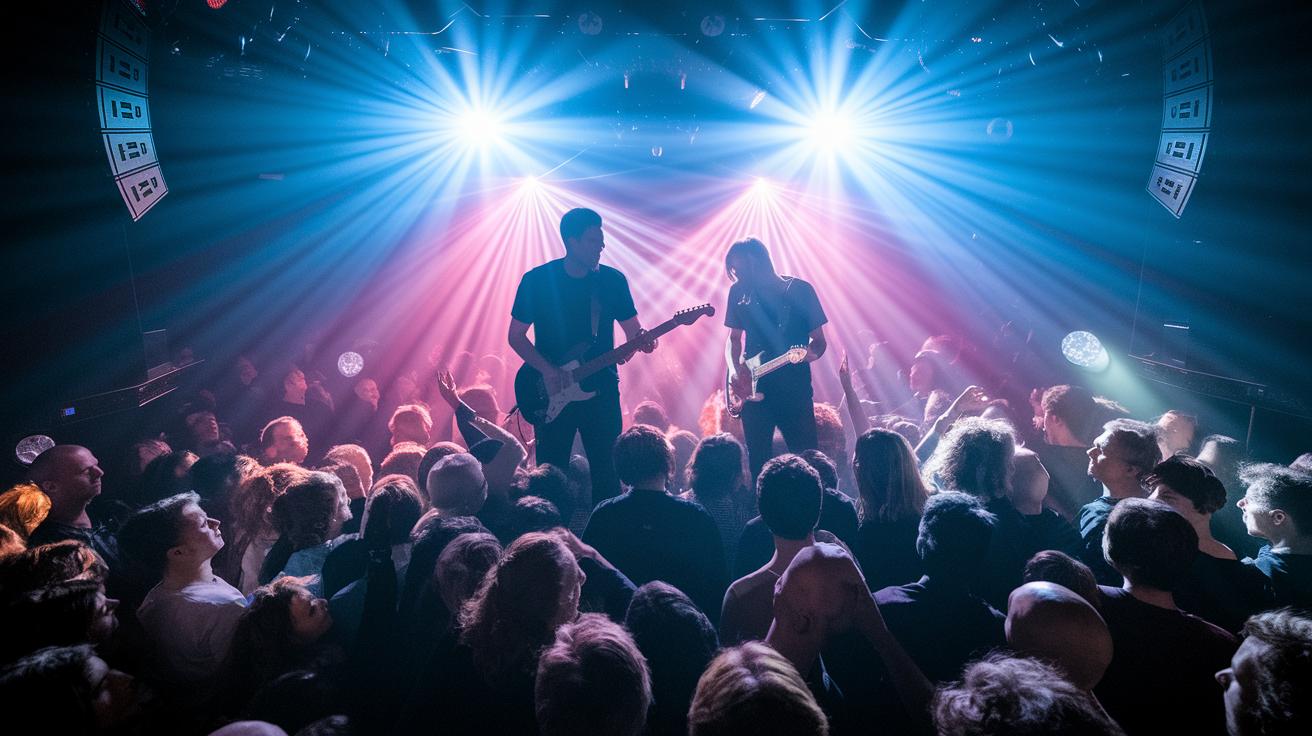
In the 1960s, music changed a lot with fresh sound techniques that captured the wild spirit of the times. Musicians mixed acoustic tunes with electric rock, adding feedback and echo effects to express a sense of rebellion. Think of it like hearing the electric guitar's echo beat, a true sign of change!
Lyrics started to break the mold, packing bold, social messages that went way beyond the usual song lines. Many artists played around with the words and rhythm, delivering their messages as if calling you to stand up and be heard.
Before long, these new sounds and daring words became anthems for young people everywhere. Songs turned into symbols that brought folks together in small clubs and college halls. Imagine a live show where every note pulses with the drive to challenge the norm, a quiet yet striking call for social change.
Chart-Topping Hit Singles Defining 60s Music Styles
-
"I Want to Hold Your Hand" – The Beatles (1964) – Hit #1 in the US
This song wasn’t just a chart-topper; it sparked a frenzy that changed the pop music scene. Imagine this: before the world was swept up in Beatlemania, this track captivated listeners with an irresistible pop hook. -
"You’ve Lost That Lovin’ Feelin’" – The Righteous Brothers (1964) – Claimed Billboard's top spot
This classic hit became a go-to song of the 60s. Its smooth, soulful sound and smart production tricks paved the way for later hits in both rock ballads and pop tunes. -
"California Girls" – The Beach Boys (1965) – Peaked at #3
With its catchy pop hooks and sun-soaked vibe, this song perfectly captured the laid-back spirit of the West Coast. It’s like a musical postcard of beachy days and creative studio magic. -
"Tom Dooley" – Kingston Trio (1961) – Led the charts for five weeks
This record was a big part of the folk revival. Its simple storytelling and fresh sound struck a chord during a time when music was all about exploring new ideas. -
"Monster Mash" – Bobby "Boris" Pickett (1962) – Topped the charts for four weeks
A fun twist on the norm, this novelty hit mixed humor with a catchy beat. It showed everyone that sometimes, playing around with music can create moments of pure, playful magic. -
"Good Vibrations" – The Beach Boys (1966) – Charted high as a groundbreaking pop hit
With its creative production and rich, layered sounds, this track hinted at the vast range of musical styles emerging in the 60s. It opened up the door for even more musical experimentation in the years to come.
Final Words
In the action, we explored the spread of bold 60s music styles, from the early echoes of rock and roll to the soulful spirit of Motown and the free vibes of psychedelia. We looked at classic rock’s instrumental flair, folk’s protest spirit, and British influences that reshaped sounds.
Every beat and lyrical slice showed the power of creativity. Carry that energy forward and enjoy the legacy that 60s music styles continue to inspire!
FAQ
What kind of music was popular in the 1960s, including rock and R&B styles?
The 1960s popular music encompassed lively rock, soulful R&B, folk, pop, and more. Its styles echoed from the ’50s and evolved into experimental sounds influenced by rapid social changes.
What are some top or greatest songs of the 1960s?
The era gave us chart-topping hits and timeless tracks. Lists such as the top 10 or 100 greatest songs capture the decade’s diverse musical styles and enduring legacy in popular culture.
Which musical genres became popular during the 1960s and early ’70s and why?
Genres like rock, soul, folk, and pop rose to prominence. Shifting social attitudes and groundbreaking artists spurred these styles, appealing to a youthful audience and reflecting major historical events.
How did 1960s music influence society and shape history?
The music of the ’60s reflected changing cultural attitudes by voicing social concerns. Its influence extended to fashion, political movements, and public sentiment, leaving a lasting mark on modern culture.
Who are some key artists and groups from 1960s music, including those known for R&B styles?
Icons such as The Beatles, The Rolling Stones, Motown stars, and folk revivalists defined the decade. They broke boundaries and set trends across rock, R&B, and folk, shaping the musical landscape.
What were the key features that defined 1960s music?
The decade showcased electric guitar breakthroughs, bold vocals, innovative studio techniques, and lyrics tied to social change. This blend of sound and message set the stage for future musical experimentation.
What kind of music do 60-year-olds prefer today?
Many in their 60s appreciate nostalgic sounds like classic rock, soul, and folk—the tunes that marked their youth—though their musical tastes are as diverse as their life experiences.