Have you ever wondered why 80s music still gets your heart pumping? That era was bursting with catchy electronic beats, raw new wave sounds, and flashy rock solos that grabbed everyone’s attention.
And let’s not forget how hip hop brought its bold, straightforward rhythms to the mix, while R&B got a cool, digital update. We’re about to dig into these vibrant styles and see how they helped shape today’s music. So, sit back and feel the retro energy that still rocks our world.
1980s Music Styles: A Comprehensive Survey
The 1980s were a time when music exploded into colorful and mixed styles that changed the game for years to come. You had synth-pop with its catchy electronic beats and new wave with its sharp, edgy guitars that made everything feel fresh and energetic. Glam metal burst onto the scene with loud riffs and over-the-top shows, while hip hop brought urban, breakbeat rhythms that felt raw and new. R&B got a funky digital twist with smooth vocals laid over modern sounds. And wow, pop music and music videos took a giant leap forward when MTV started in 1981, totally changing how fans connected with their favorite tracks.
The tech behind the tunes was just as exciting. Synth-pop bands leaned on drum machines and those cool, repeating synthesizer sounds to give us futuristic beats, with groups like Depeche Mode and The Human League leading the charge. Over in the new wave scene, acts like Duran Duran and Blondie mixed icy synth vibes with rebellious guitar licks, setting the stage for many alternative sounds that followed. Meanwhile, both mainstream stars and underground punk bands blended disco grooves with the emerging dance-pop trends, hinting at a new musical future.
MTV completely shook things up by adding a visual punch to the music we loved, turning music videos into the must-see experience of the decade. Hip hop grew big with artists like Run-D.M.C. laying down the tracks, while R&B legends like Luther Vandross graced the airwaves with soulful sounds. All these exciting trends not only defined the music of the 80s but also left a lasting mark that we can still feel in today’s music scene.
Synth-Pop and New Wave Developments in the 80s
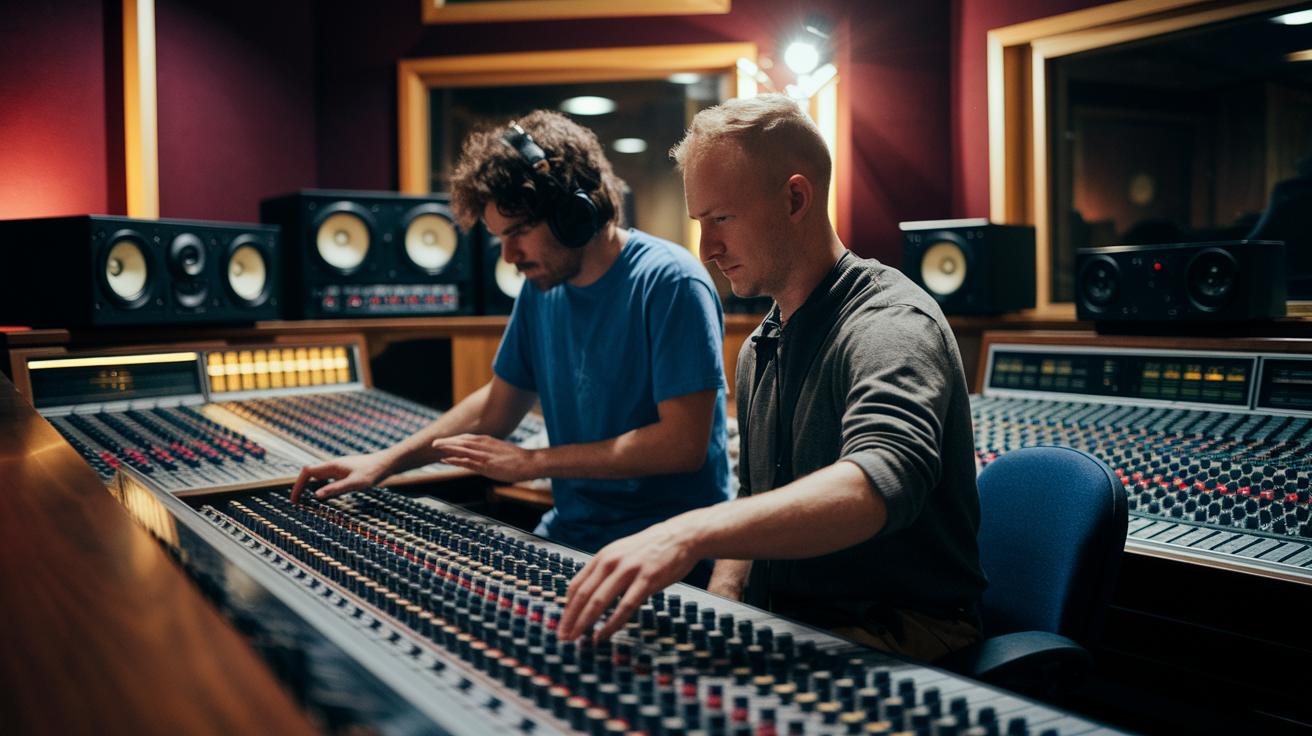
Back in the early 80s, bands started mixing old-school analog vibes with new, creative techniques to shape their sound. They experimented with cool effects like gated reverb (imagine a snare hit that grabs you instantly) and multi-track layering (picture recording each instrument separately and then blending them into one rich mix). This adventurous spirit found a home in classic studios across LA and the UK.
| Track | Artist & Year |
|---|---|
| Just Can’t Get Enough | Depeche Mode (1981) |
| Don’t You Want Me | The Human League (1981) |
| Blue Monday | New Order (1983) |
| Heart of Glass | Blondie (1979/1980 US peak) |
| Once in a Lifetime | Talking Heads (1981) |
These iconic tracks didn’t just set a unique sound; they laid out a blueprint that producers still use today. Even now, creative minds mix in those same techniques, you know, like adding a new brushstroke to an ever-evolving musical painting.
Rock Evolution: From Glam Metal to Alternative Scenes
Back in the 80s, rock really burst onto the scene with a mix of wild energy and daring style. Bands weren’t afraid to push the limits with explosive guitar riffs and those heart-tugging power ballads. They brought a bold glam vibe to the stage, dazzling fans with glittery outfits and epic, arena-filling sounds that made live shows unforgettable.
Glam metal quickly became the talk of the town, especially with power ballads like Bon Jovi’s "Livin’ on a Prayer" (1986) and Poison’s "Every Rose Has Its Thorn" (1988). Concerts turned into full-blown theatrical experiences, where every performance felt like a mini-movie. Meanwhile, heavy metal bands like Iron Maiden, Judas Priest, and Dio ramped up the intensity with roaring guitars and rapid-fire drums. These bands delivered a raw, powerful energy that hooked fans and dominated the rock charts.
At the same time, a fresh, alternative sound started coming from college radio. Groups like R.E.M., The Smiths, and Pixies mixed jangly guitars with thoughtful, poetic lyrics, creating a vibe that was both reflective and rebellious. And let’s not forget the post-punk scene, bands such as The Clash, Black Flag, and The Dead Kennedys brought in a burst of social commentary and a quirky, offbeat rhythm that forever changed the look of rock music.
This exciting era didn’t just produce hit tunes; it reshaped rock for future generations with its bold shifts and unforgettable showmanship. It was a time when every chord, every lyric, and every stage dive told a story of rebellion, creativity, and pure, unfiltered passion.
80s music styles burst with retro energy
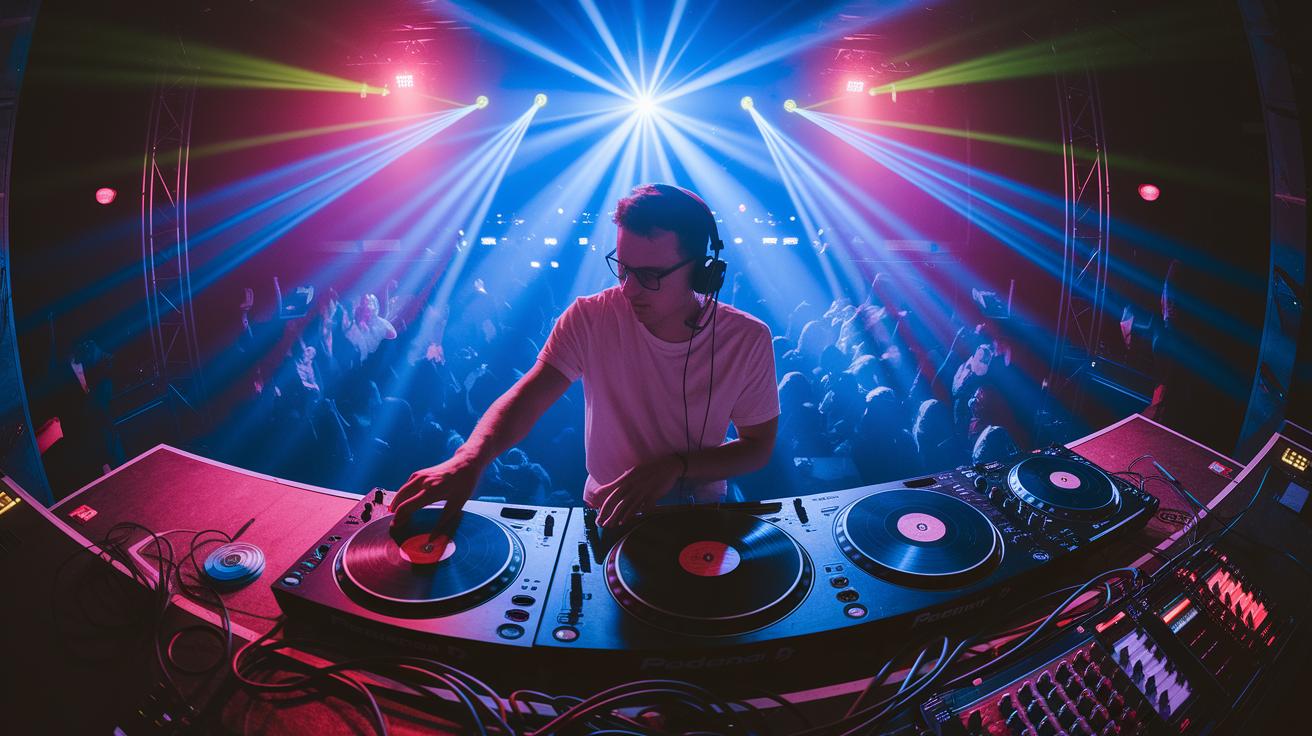
Back in the early 80s, hip hop made its mark in New York City with a fresh sound that grabbed everyone’s attention. Artists like Grandmaster Flash rocked the scene with raw storytelling in tracks such as "The Message" (1982), while Run-D.M.C. and LL Cool J launched energetic rhythms that really spoke to urban audiences.
At the same time, R&B mixed soulful vocals with crisp digital beats to shake up the music scene. Think of hits like Luther Vandross’s "Never Too Much" (1981), Anita Baker’s "Sweet Love" (1986), and Whitney Houston’s "How Will I Know" (1985). These smooth melodies and innovative rhythms didn't just top the charts, they changed how mainstream music sounded.
Cool drum machines, like the Roland TR-808, teamed up with inventive bass patterns to spark a production revolution. They powered both hip hop breakbeats and R&B grooves, filling dance floors and radio stations with infectious energy. It's a mix of street rhythms and studio magic that still influences urban and pop tunes today.
80s music styles burst with retro energy
Back in the day, dance-pop ruled both the clubs and the radio waves. With hits like Whitney Houston’s "I Wanna Dance with Somebody," Cyndi Lauper’s fun "Girls Just Want to Have Fun," and George Michael’s "Faith," every beat filled the room with energy that made you wanna move.
Meanwhile, Chicago’s club scene was buzzing with house music. Pioneers such as Frankie Knuckles, Marshall Jefferson, and Larry Heard mastered those steady, four-on-the-floor beats that turned late nights into immersive dance parties. The vibe was raw, electric, and unforgettable.
Then MTV stepped in and changed the game with its high-budget music videos. Michael Jackson’s "Thriller" wasn’t just a hit song, it was a visual story that brought the spirit of dance music to life on TV screens all over the world. Fans saw clubs and live shows transform into full-blown spectacles where sound and image blended perfectly, igniting a spark that still inspires today.
Production Techniques and Live Show Culture of the 80s
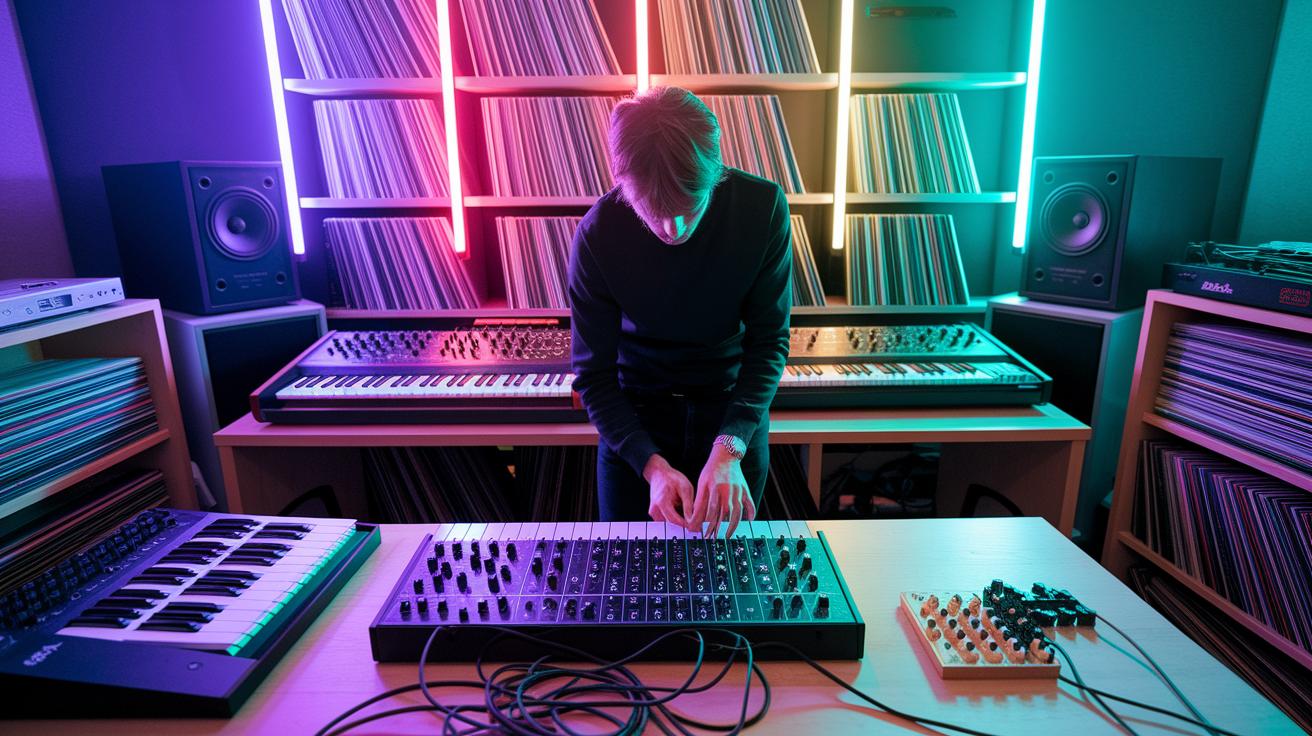
Back in the 80s, music producers totally transformed the sound of the era. They experimented with cool effects like gated reverb, which made every snare hit pop, and layered different synth sounds with multi-track recording and MIDI sequencing (a way to control instruments using computers). These fresh techniques set a whole new standard for recording music.
Classic gear like the LinnDrum, Roland TR-808, and Yamaha DX7 synthesizer quickly became the heart of the 80s sound. Picture a buzzing studio where engineers mixed crisp drum beats with rich, layered synth lines. Every knob and slider on the mixing board added its own special flavor, giving songs a futuristic vibe that still sparks creativity today.
Live shows also reached a whole new level during this decade. Massive events like Live Aid, which drew nearly 2 billion viewers on July 13, 1985, and epic stadium tours featuring U2’s "Unforgettable Fire" and Bruce Springsteen’s "Born in the U.S.A. Tour" turned concerts into unforgettable shared experiences and set new records for audience reach.
On stage, bands managed to bring that studio magic to live performances. They replicated the creative effects used in recording sessions, mixing intricate synth layers with raw, live energy. Fans enjoyed a feast for both the eyes and ears, with mesmerizing visuals and powerful live renditions that celebrated technical innovation alongside heartfelt performance.
Legacy and Revival: 80s Styles in Modern Music
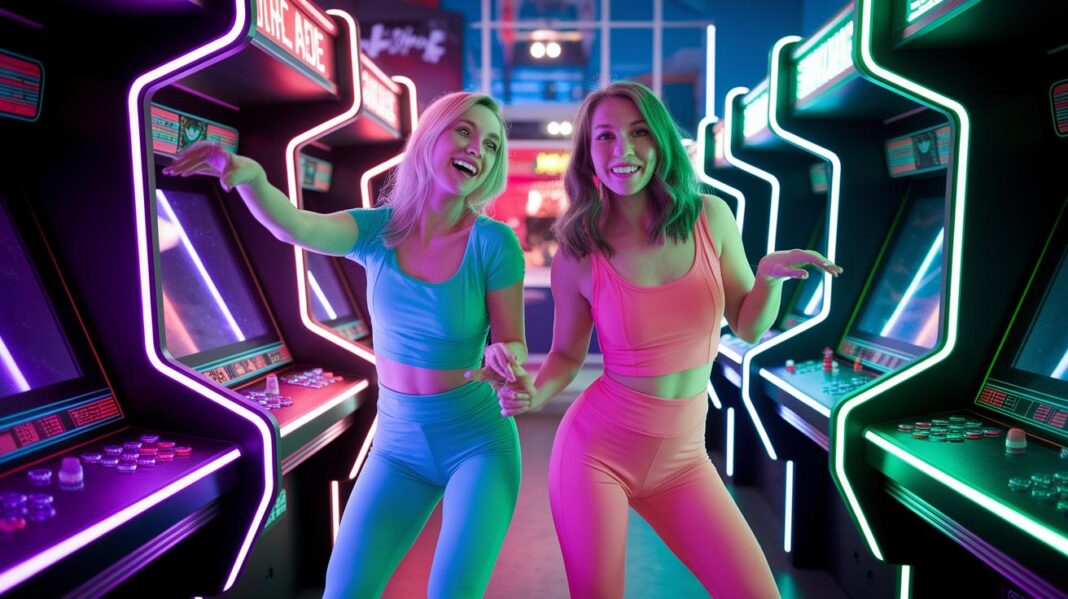
The beat of the 80s is still alive today. Modern artists love to mix in old-school vibes like retro production and those classic analog synth sounds. It feels like a cool blend of then and now, the energy of a neon-lit arcade meets fresh, modern beats.
Both young listeners and those who remember the good old days get hooked on these remix tracks and vinyl releases. That warm, analog sound takes you back to memorable concerts and the iconic era of groundbreaking music.
- Netflix’s "Stranger Things" soundtrack brings back the unforgettable anthems of the 80s.
- Dua Lipa’s remix EPs mix disco-pop with a fresh, modern twist.
- Synthwave tunes by Kavinsky, Mitch Murder, and Perturbator put a new spin on those timeless sounds.
These examples show how 80s influences still guide musicians all over the globe. With trends like a nearly 50% boost in vinyl sales and a renewed love for analog synth tones in hit soundtracks, it’s clear that the spirit of the 1980s isn’t fading away. Today’s music scene mixes nostalgia with current production techniques, inspiring a whole new generation to enjoy and reinvent the bold style of the past.
Final Words
in the action, we rode through the world of 80s music styles that shaped synth-pop, rock, hip hop, dance, and live show magic. Every section captured the daring beats, catchy hooks, and flashy visuals that sparked cultural change and continue to spark joy today.
Our look at vintage production techniques and iconic music video moments shows how those bold sounds still inspire modern music. The energy remains vibrant, lighting up the scene for anyone who loves a great retro vibe.
FAQ
What are the most popular music genres and styles of the 80s?
The most popular 80s music genres include synth-pop, new wave, glam metal, hip hop, R&B, and dance-pop. These styles emerged with bold electronic sounds and live show energy.
What influenced music in the 1980s and made it unique?
The influences on 1980s music came from new recording techniques, MTV’s visual flair, and electronic innovations. This mix of technology and art gave the era a distinct, memorable sound.
What are the subgenres of 80s rock and alternative music?
The subgenres in 80s rock consist of glam metal, heavy metal, and alternative rock alongside punk and post-punk. Each spread its own brand of catchy guitar riffs and compelling stage presence.
Which 80s music artists and hits are considered iconic?
Iconic 80s artists include Depeche Mode, Duran Duran, Bon Jovi, Run-D.M.C., and others. Their chart-topping hits still echo the vibrant, creative spirit of the decade.
How did 80s music pave the way for later genres like those in the 1990s?
The innovative sounds and production methods in 80s music, from synth layering to alternative rock dynamics, laid a foundation that influenced the evolution of 1990s genres and modern pop trends.