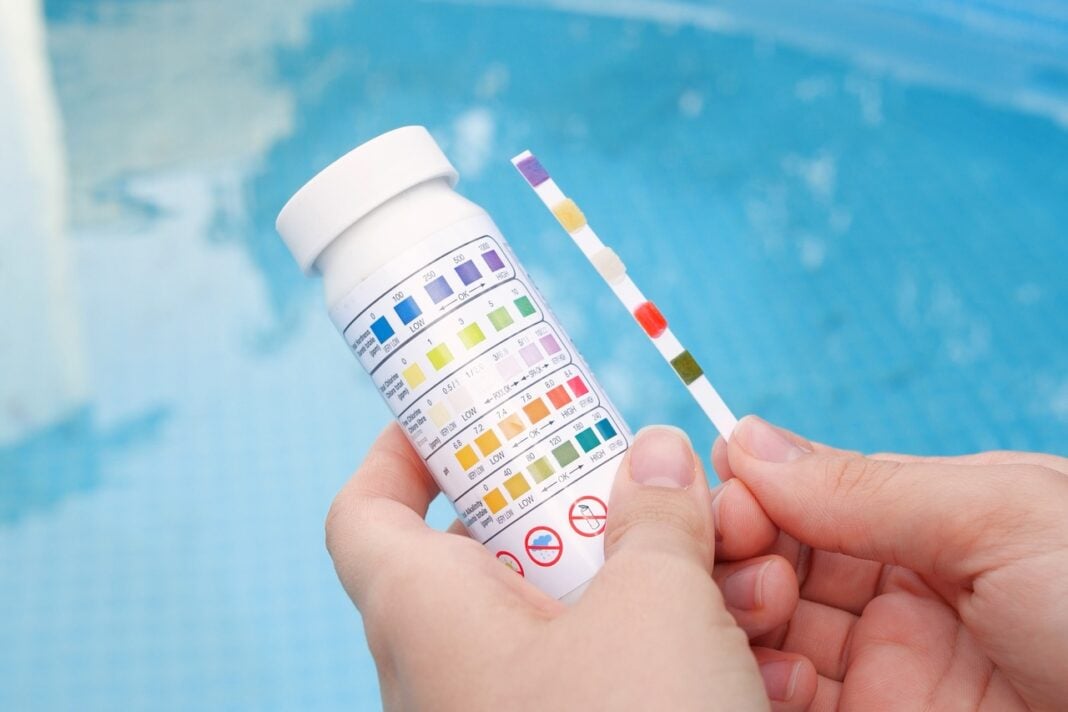
Owning a pool comes with a lot of rewards—and a few responsibilities. Whether you have an in-ground fiberglass pool, a concrete pool, or an above-ground model, keeping your water balanced is one of the most important things you can do to protect swimmers, preserve equipment, and keep the water clear and inviting all season long. The question most homeowners ask is simple: how often is often enough?
The answer depends on how you use your pool and what’s happening around it—but there’s a reliable framework that makes it manageable.
Daily Checks: Just a Quick Look
You don’t need a full test kit every morning, but a quick visual check goes a long way. Look at the water color and clarity. If it looks dull, cloudy, or off in any way, that’s a signal to test sooner than planned.
If you’re running an automatic sanitizer system or using a saltwater chlorinator, checking that the system is functioning properly each day takes only a moment. Catching a malfunction early prevents the water chemistry from drifting far enough to require significant correction.
Weekly Testing: Your Core Routine
For most residential pool owners, testing once or twice a week during the swimming season is the right baseline. At a minimum, you want to track:
- Free chlorine — your primary sanitizer and the most important reading to stay on top of
- pH — which affects how effective chlorine is and how comfortable the water feels on skin and eyes
- Total alkalinity — which keeps pH stable and prevents it from swinging up or down unpredictably
These three readings give you a reliable picture of your water’s current condition. When they’re all in range, your pool is doing what it should.
When to Test More Frequently
Certain conditions call for more frequent testing, sometimes daily. Keep a closer eye on your water when:
Heavy use occurs. Pool parties, kids spending hours in the water, or a full weekend of swimming all introduce more organic material—sweat, sunscreen, body oils—that consumes chlorine faster than normal. Test after any heavy-use period and adjust accordingly.
Rain falls. Rainfall dilutes your water, lowers pH, and can introduce organic contaminants from runoff. Test after any significant rain event, especially if you had standing water on the pool deck.
Heat spikes. High temperatures cause chlorine to dissipate more quickly. During heat waves, daily testing helps you stay ahead of the chemistry instead of chasing it.
You’ve made a chemical adjustment. Any time you add chemicals to correct an imbalance, test again within 24 hours to confirm the adjustment landed where you intended.
Seasonal Testing: Beginning and End of Year
Opening and closing your pool both require more thorough testing than your weekly routine. At the start of the season, test for total alkalinity, pH, free chlorine, calcium hardness, and cyanuric acid. These readings give you a full baseline and help you stabilize the water before anyone gets in.
At the end of the season, proper closing chemistry helps prevent algae growth, scale buildup, and equipment damage during the off-season months—so that thorough test isn’t just a formality.
Why Consistent Testing Matters
Letting water chemistry drift isn’t just a water clarity issue. Unbalanced water is harder on your pool’s surfaces and equipment, shortening the lifespan of your pump, filter, and heater. It can irritate eyes and skin. And water that’s low in sanitizer creates conditions where harmful bacteria can multiply.
Testing takes a few minutes. Correcting a chemistry problem that was left unattended can take days and cost significantly more.
Build testing into your pool routine the same way you’d check the oil in your car—regularly, before anything goes wrong.