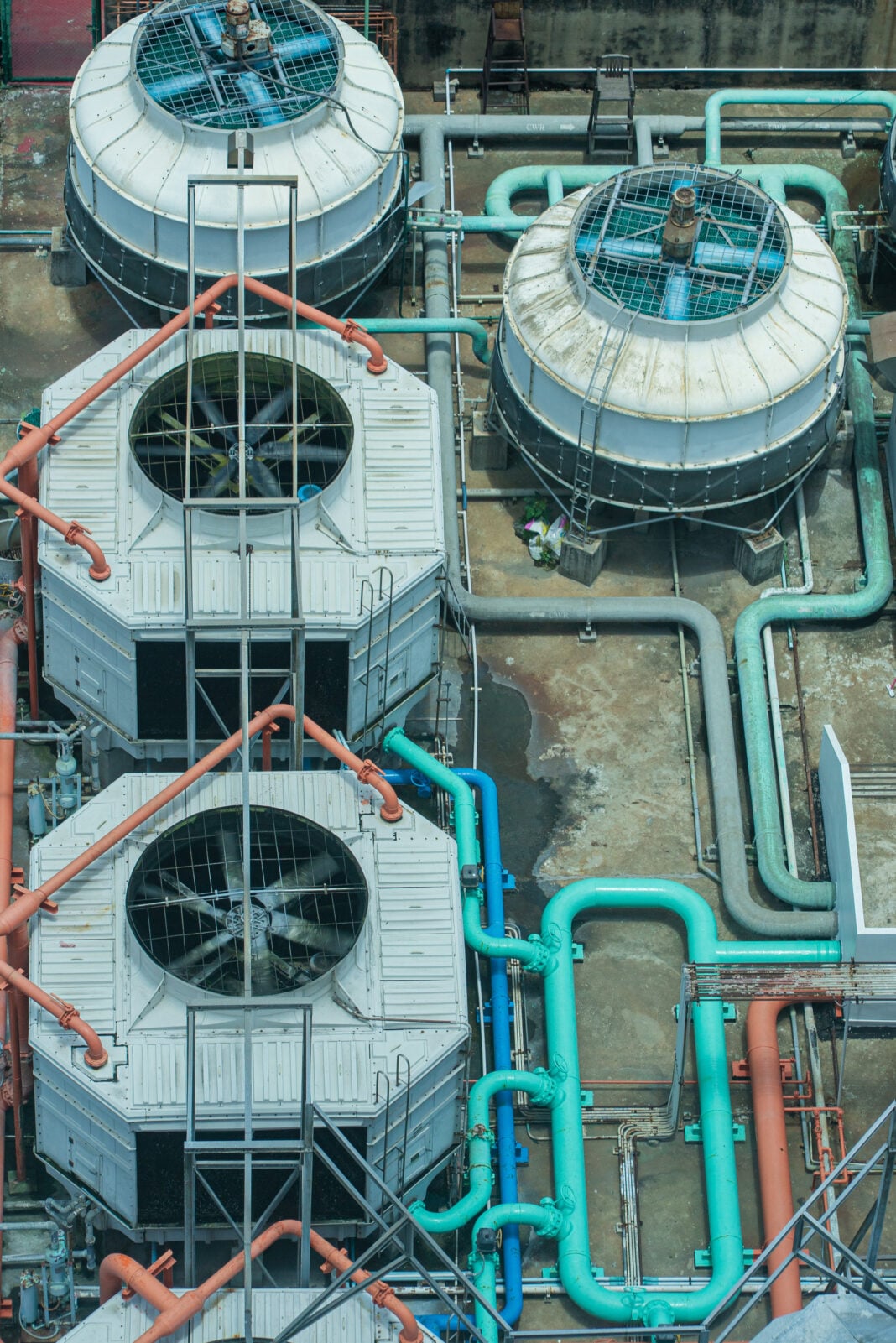
Few things disrupt industrial operations as abruptly as an industrial chiller failing without warning. One moment, production hums along normally; the next, machines overheat, processes stall, and a cascade of problems begins. The sticker price of repairing or replacing a failed chiller rarely tells the whole story. The real cost runs much deeper, touching nearly every corner of a facility’s operations and finances.
Beyond the Repair Bill
When an industrial chiller breaks down unexpectedly, the first expense that comes to mind is the repair itself—parts, labor, and possibly emergency service fees for after-hours calls. These costs add up quickly, especially when a technician needs to source specialized components on short notice. But focusing only on the repair invoice misses the larger financial picture.
Consider what happens around that repair. Production lines dependent on precise temperature control often have to stop entirely. In industries like plastics manufacturing, food and beverage processing, or pharmaceuticals, even a brief interruption in cooling can compromise product quality or render an entire batch unusable. That lost product, combined with the labor hours spent producing it, represents a cost that never appears on the repair bill but hits the bottom line just as hard.
The Ripple Effect on Operations
Unplanned chiller downtime rarely stays contained to a single department. When cooling capacity disappears, operations teams scramble to adjust schedules, reroute workflows, or shut down dependent equipment to prevent further damage. This creates a ripple effect that touches logistics, customer service, and sales.
Missed delivery deadlines can strain client relationships, particularly in industries where just-in-time manufacturing is the norm. Customers who experience repeated delays may start looking elsewhere, and rebuilding that trust takes far longer than fixing a mechanical issue. Meanwhile, employees who were scheduled for production tasks may find themselves idle, waiting for cooling systems to come back online, which translates into paid hours without corresponding output.
There is also the matter of energy inefficiency in the lead-up to a breakdown. A chiller showing signs of strain, like worn components or refrigerant issues, often consumes more energy while delivering less effective cooling. By the time the unit fails completely, the facility has likely already absorbed weeks or months of inflated utility costs without realizing it.
Equipment Strain and Long-Term Damage
An industrial chiller doesn’t operate in isolation. It supports a broader ecosystem of equipment, from injection molding machines to HVAC systems to server rooms. When the chiller fails, connected equipment can experience temperature spikes that lead to premature wear or outright damage. Replacing or repairing that secondary equipment adds yet another layer of expense that traces back to the original chiller failure.
Compounding the issue, emergency repairs performed under pressure don’t always address root causes. A technician focused on getting the system running again quickly may resolve the immediate symptom without correcting the underlying issue, setting the stage for another failure down the road. This cycle of reactive fixes tends to cost more over time than a single, thorough repair would have.
Why Preventive Maintenance Changes the Equation
Preventive maintenance shifts the conversation from reaction to anticipation. Regular inspections allow technicians to catch early warning signs, such as refrigerant leaks, compressor wear, or fouled condensers, before they escalate into full system failures. This approach keeps the industrial chiller running at peak efficiency, which also helps control energy costs.
Scheduled maintenance also allows facilities to plan around necessary downtime rather than being forced into it. A planned half-day shutdown for maintenance looks very different from an unplanned multi-day outage caused by a catastrophic failure. The former fits into a production schedule with minimal disruption; the latter forces teams to improvise, often at significant cost.
Beyond the financial argument, preventive maintenance extends the operational life of the chiller itself. Facilities that invest in routine care typically see their equipment last longer, which delays the substantial capital expense of a full system replacement.
Protecting Operations for the Long Run
The true cost of unplanned chiller downtime extends well beyond repair invoices. Lost production, strained customer relationships, inflated energy bills, and collateral equipment damage all factor into the final tally. Facilities that treat their industrial chiller as a critical asset, worthy of consistent attention and proactive care, position themselves to avoid these cascading costs. A reliable maintenance strategy isn’t just about keeping a machine running; it’s about protecting every process, product, and relationship that depends on it.