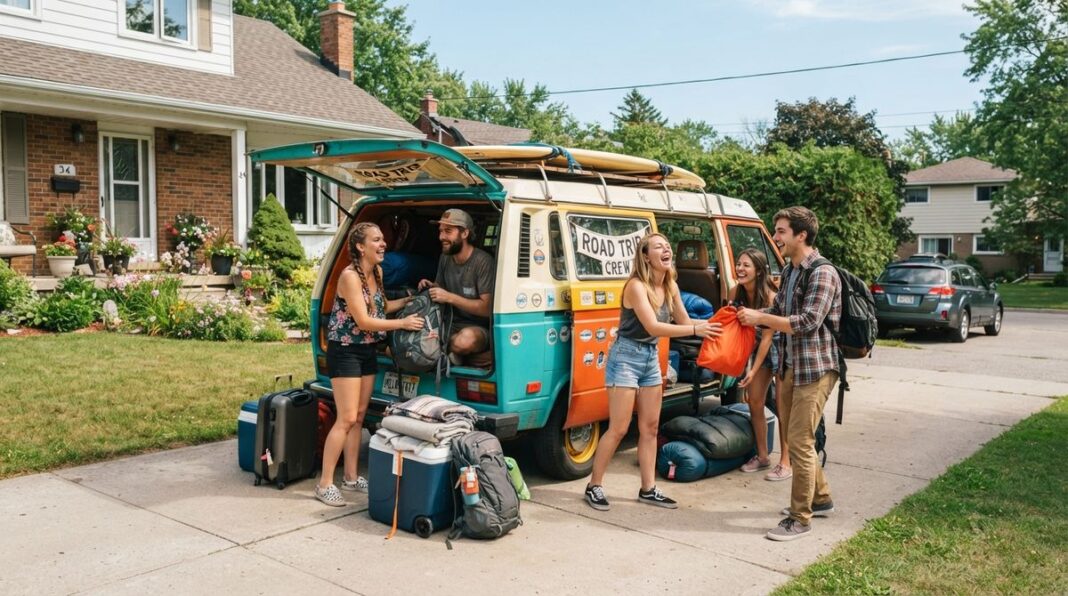
Outdoor recreation brings fresh air, community bonding, and memorable weekend adventures, but the storage space and personal expense required to participate can be overwhelming. Many households own tents, snowshoes, camp stoves, and roof boxes that sit unused for months at a time. Meanwhile, curious neighbors often hesitate to try a new trail or camping weekend because purchasing dedicated equipment upfront feels impractical.
Establishing a local outdoor gear library solves this everyday dilemma by pooling equipment for common use. A community-managed collection turns idle basement storage into an active neighborhood asset. With clear guidelines, basic maintenance habits, and thoughtful organization, any neighborhood group, parent association, or hobby collective can build a lending system that makes outdoor activity more accessible for everyone involved.
Beyond saving money and reducing individual consumer waste, sharing recreational assets strengthens neighborhood ties. People who borrow a camping stove or a pair of snowshoes often share trail recommendations, safety advice, and encouragement. What begins as an effort to clear out crowded hallway closets gradually matures into a cooperative resource that enriches weekend recreation across the local area.
Surveying Neighborhood Needs and Gathering Starter Items
The most effective lending collections start by listening to local interest rather than acquiring arbitrary equipment. Before asking for donations or looking for purchases, talk with neighbors to identify what activities they actually want to pursue. Some communities gravitate toward family-friendly state park camping, while others need trail maintenance tools, youth sports padding, or water recreation accessories.
Once general interest is clear, begin gathering core supplies through voluntary neighborhood contributions. Many households are glad to rehome clean, functional gear that their family has outgrown or no longer uses regularly. Focus on high-utility items that hold up well to repeated use, such as aluminum trekking poles, weather-resistant ground tarps, insulated sleeping pads, and sturdy daypacks.
Recreation habits also shift as seasons change and new leisure pastimes gain traction. Keeping an eye on shifting lifestyle patterns helps organizers select gear that remains relevant and actively borrowed throughout the year. Reviewing resources like news-takeuchi.com helps project organizers stay informed about emerging consumer trends and practical adaptations before expanding an inventory with specialized gear.
Establishing Practical Decision Rules for Shared Purchases
When a lending collective decides to purchase replacement parts or invest in brand-new equipment, decision-making can easily stall if opinions differ. One member might prefer lightweight, fragile backpacking gear, while another advocates for heavy, industrial-grade camping units. Establishing clear evaluation criteria prevents disagreements and keeps the focus on long-term utility and durability.
Shared items should prioritize repairability, ease of cleaning, and universal sizing over brand prestige. Equipment with standardized replacement components, such as universal tent poles or easily replaceable buckle straps, will outlast complex proprietary designs. Adopting structured assessment practices, such as the guidance shared at Mysqmclub.com, allows organizing committees to apply sensible decision techniques when evaluating how new acquisitions affect budget longevity and environmental responsibility.
Documenting these criteria in a simple one-page charter ensures continuity when volunteer roles rotate. When everyone understands why an item was chosen, borrowers take better care of the equipment and respect the collective investment that made it available.
Setting Up Storage, Maintenance, and Checkout Routines
A gear library requires a dry, secure, and accessible location. A spare section in a community center basement, a locked residential storage room, or a dedicated shed can serve as the central hub. Storing fabric items off concrete floors on ventilated wire shelving helps prevent mildew, while clear plastic bins keep small accessories neatly sorted.
Every item should receive a distinct inventory label and an attached care tag that outlines setup and packing instructions. Consistent return routines are the key to keeping gear functional over many seasons. A concise intake routine prevents surprises when the next borrower picks up an item for a weekend trip.
- Inspect fabric seams and zippers for wear after each return.
- Air-dry tents and sleeping bags completely before repacking.
- Sanitize shared contact surfaces using mild, eco-friendly soap.
- Log any missing stakes, straps, or hardware immediately.
Assigning a regular volunteer day each month makes equipment upkeep manageable. Group work sessions provide a relaxed social space where experienced campers can teach newer members how to patch a small puncture, lubricate a zipper, or re-waterproof an older rainfly.
A designated drop box for keys or accessories simplifies returns for working families who cannot make rigid pickup appointments. Clear signage on bins and shelves ensures that even first-time borrowers can return items to their rightful places without creating confusion for the next volunteer on duty.
Coordinating Safe Transportation for Group Excursions
Lending gear often leads directly to shared excursions, such as group paddle days, community trail rides, or weekend hiking getaways. When multiple families travel together, moving bulky equipment like kayaks, bicycles, or family-sized tents requires deliberate planning and coordinated vehicle loading.
Transport safety must always take precedence over convenience. Overloading roof racks, utilizing frayed tie-down straps, or improperly balancing a utility trailer can create road hazards before the adventure even begins. Taking time to run through shuttle inspections for club gear provides a reliable framework for checking hitch pins, tire pressures, and cargo restraints before vehicles pull out of the staging area.
Distributing heavy items low and toward the center of cargo beds or vehicle interiors preserves vehicle handling. Establishing clear caravan communication protocols ensures that all drivers stay together and arrive safely at the trailhead or campsite.
Sustaining Community Engagement Over the Long Term
Long-term success for any neighborhood initiative relies on maintaining community interest without burdening a single organizer. Rotate volunteer responsibilities so that check-in duties, cleaning sessions, and record-keeping are shared among several willing participants across the calendar.
Hosting seasonal open houses or gear-demonstration afternoons invites hesitant neighbors into the fold. Showing someone how to pitch a freestanding tent or adjust a backpack suspension in a friendly park setting removes the intimidation factor that often keeps people from exploring the outdoors.
Early cataloging should remain simple and straightforward. A basic digital spreadsheet or a physical index card binder placed near the storage shelf works well for logging incoming donations. Recording item dimensions, carrying capacities, and known quirks ensures that future borrowers know exactly what to expect before heading to the trailhead.
A shared gear library does far more than save shelf space and money. By turning outdoor recreation into a cooperative neighborhood experience, it builds practical skills, deepens local friendships, and opens the beauty of nature to people who might otherwise stay indoors. Starting with just a handful of quality items can spark an active community tradition that serves neighbors for many years to come.