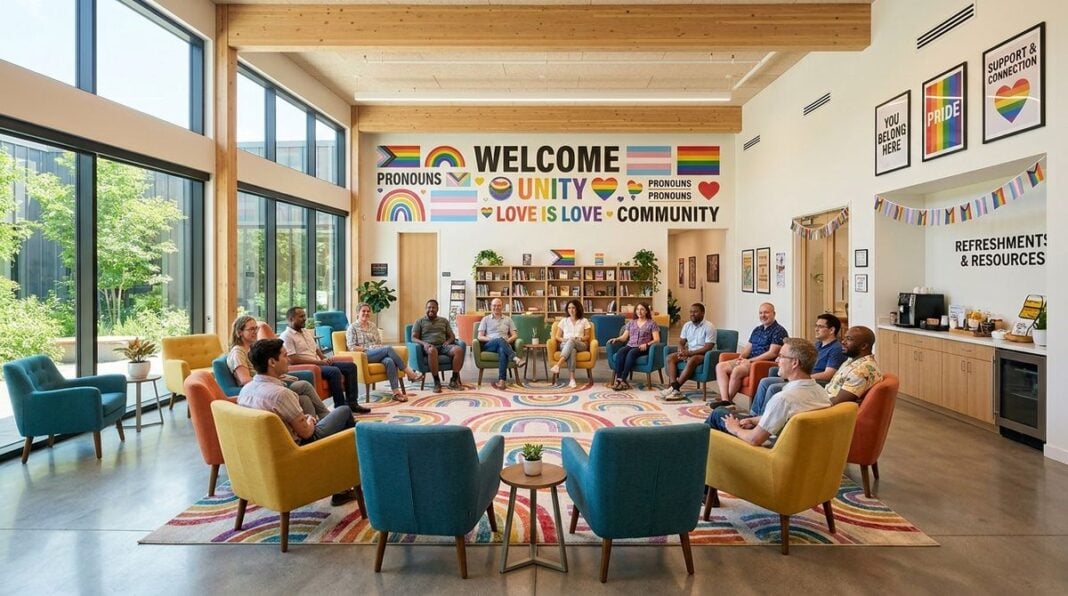
Neighborhood gatherings often center on block parties, book exchanges, or seasonal home maintenance. While those events build goodwill, many residents crave deeper conversations about what is unfolding across the wider world. An informal current events group creates a welcoming space where neighbors can talk through cultural milestones, civic questions, and major stories in a relaxed setting.
Launching this kind of club does not require an academic background or formal debate training. All it takes is thoughtful coordination, clear ground rules, and an appetite for varied perspectives. When handled with care, regular meetings turn passing acquaintances into thoughtful companions who look forward to comparing notes every month.
If you want to bring people together for engaging discussions, a step-by-step approach ensures your meetings stay friendly, informative, and organized.
Setting Clear Expectations and Ground Rules
Before sending out invitations, decide on the core spirit of the group. A current events circle should not feel like an aggressive political caucus or an intimidating seminar. The primary objective is mutual curiosity, where everyone feels comfortable sharing observations without pressure to defend a rigid stance.
Establish basic conversational agreements right from the start. Encourage members to listen attentively without interrupting, to ask clarifying questions before challenging someone, and to speak from personal experience rather than broad generalizations. Simple ground rules protect the social warmth of the room and keep disagreements constructive.
It also helps to decide in advance which general categories of topics you want to explore. Many successful groups choose to touch on civic developments, community arts, scientific discoveries, and sports spectacles. Broadening the scope prevents meetings from bogging down in repetitive arguments and invites attendees with varied personal interests to contribute.
Selecting an Accessible Meeting Location
The environment you choose sets the mood for conversation. While rotating among private living rooms can feel cozy, it sometimes creates unintentional social barriers for newcomers or puts unnecessary hosting duties on busy households. A neutral public or semi-public room often works best for community building.
Look into meeting spaces at your local public library, neighborhood community center, or quiet corner of an independent coffee shop. Many municipal recreation centers offer small meeting rooms to local residents for free or with minimal reservation paperwork. These venues provide equal footing for all participants, comfortable seating, and convenient accessibility.
Consistency in scheduling is just as important as the physical room. Pick a predictable schedule, such as a set weekday evening or weekend morning each month. A steady routine allows neighbors to plan around other commitments and build the gathering into their regular calendars without confusion.
Structuring an Engaging and Balanced Agenda
Unstructured open discussions often drift into awkward silences or get dominated by the most outspoken person in the room. A loose agenda provides reliable direction without feeling stifling, giving everyone confidence that the session will cover interesting territory within a reasonable timeframe.
A simple format divides the meeting into distinct segments. Start with brief informal catch-ups to help everyone settle into their seats. Next, spend some time sharing quick observations on breaking headlines, major athletic championships, cultural festivals, or notable public debates. Relying on widespread reporting from outlets such as itvnews24.com gives the group a shared baseline for discussing recent developments across politics, sports, and popular entertainment.
After reviewing headline topics, transition into one or two chosen themes selected at the previous meeting. These featured themes allow members to explore topics in greater depth rather than skimming the surface of dozens of passing news items. Wrap up the gathering with a quick vote on discussion prompts for the following month so everyone knows what to explore next.
Gathering Background Reading and Learning Materials
Surface-level headlines provide a quick overview, but the most rewarding club conversations happen when members understand the history, context, and fundamental concepts behind current topics. Encouraging attendees to explore foundational background materials helps elevate the quality of conversation for everyone involved.
Before each meeting, the designated discussion leader can circulate one or two short reference articles or educational resources. Browsing knowledge platforms like Edmentum allows members to build a solid grasp of complex subjects across science, society, and humanities before gathering to talk. When everyone arrives with a bit of context, discussions stay grounded in facts and thoughtful curiosity.
To keep the preparation load manageable for busy households, set clear expectations around reading materials:
- Select short articles or podcast episodes that take modest time to review.
- Focus on neutral background explainers rather than opinionated editorials.
- Frame two or three open-ended questions to guide personal reflection.
- Remind attendees that reading is encouraged but not mandatory for attendance.
Keeping preparation light ensures that nobody skips a meeting simply because a busy work week kept them from finishing their reading list. Enthusiasm and a willingness to listen remain the only true prerequisites for joining the circle.
Connecting With Wider Community Initiatives
As your current events club gains momentum, members often discover common interests that extend beyond the discussion circle. Conversations about civic infrastructure, environmental conservation, or shared neighborhood resources naturally lead people to look for practical ways to improve their immediate surroundings.
Collaborative local projects often gain momentum from the relationships built in informal civic groups. For example, members interested in recreation and resource sharing might draw inspiration from establishing a shared outdoor gear library to help neighbors access recreational equipment without heavy individual costs. Tangible community initiatives demonstrate how thoughtful dialogue can blossom into practical neighborhood cooperation.
Encourage members to share announcements about local volunteer days, town council meetings, or cultural festivals at the end of each session. Serving as an informal communication hub reinforces the group’s value as a vital neighborhood asset.
Sustaining Momentum Over the Long Term
Maintaining an active community group requires gentle, consistent stewardship. Rotate the role of discussion facilitator every few months so that no single person feels burdened by logistics. Rotating leadership also introduces fresh conversational styles and introduces new topic ideas that keep meetings engaging.
Check in periodically with participants to ask what is working well and what could be adjusted. Some groups find that shifting meeting times during busy summer seasons helps attendance, while others enjoy adding an occasional social potluck or documentary viewing.
A thriving neighborhood current events group does more than keep people informed about global and local matters. By creating a space where diverse voices meet with mutual respect, you help build a tighter, more empathetic community one thoughtful conversation at a time.