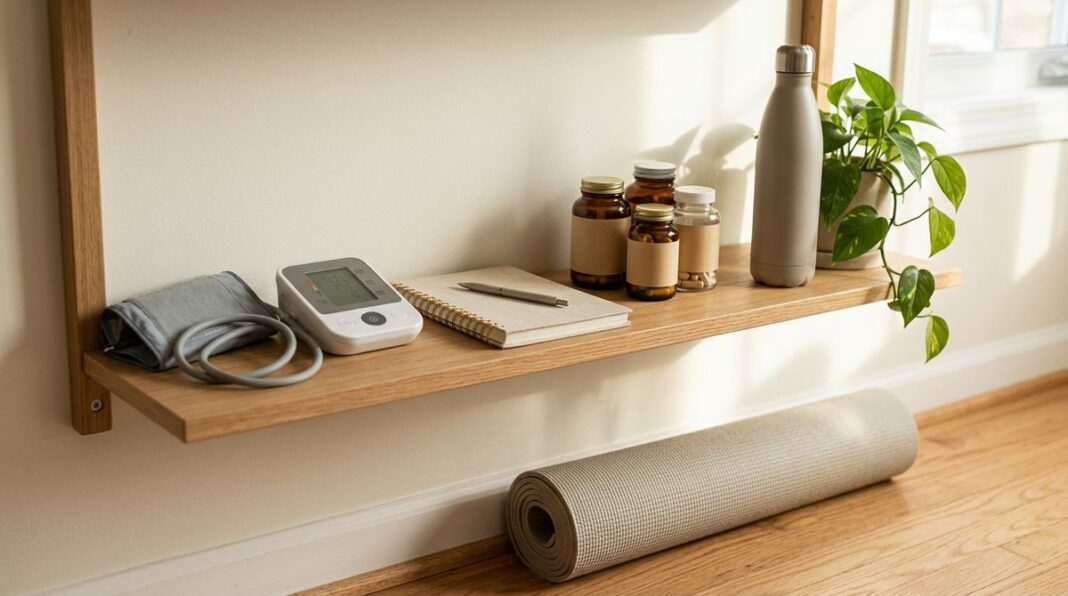
Modern conversations around personal wellness often lean toward extremes. Between complicated fitness challenges, restrictive meal regimens, and endless conflicting health trends, it is easy to feel overwhelmed before you even begin. Many people start ambitious plans with high enthusiasm, only to abandon them when life inevitably becomes busy and demanding.
In our fast-paced culture, wellness advice often swings between two extremes: complex regimens that demand hours of preparation, or quick fixes that promise effortless shortcuts. Real health lives somewhere in between. A truly sustainable approach to vitality looks very different from an all-or-nothing challenge. Lasting wellness is built on small, intentional habits that fit into your everyday life rather than taking it over.
Establishing a steady wellness routine is not about perfection or rigid rules. Instead, it centers on honoring basic human needs: regular movement, balanced nourishment, mindful recovery, and restorative sleep. By focusing on practical fundamentals, you can create a reliable foundation for everyday well-being that serves you across every season of life.
Start with Consistent Morning Foundations
The start of your day often sets the tone for your energy, mindset, and overall focus. While popular media frequently promotes elaborate morning regimens that require waking up before dawn, an effective morning routine can be wonderfully simple and adaptable to your personal schedule.
Begin by supporting your body after hours of rest. Drinking a tall glass of cool water immediately upon waking helps replenish lost fluids and gently wakes up your digestive system. Following this with a few minutes of natural outdoor light helps regulate your internal body clock, signaling to your brain that it is time to feel awake, alert, and clearheaded.
Physical movement in the morning does not have to be an intense workout. Gentle spinal stretches, a brief walk outside, or light mobility exercises can release stiffness and increase circulation throughout your body. Taking a quiet moment to breathe deeply without checking your phone also keeps reactive morning stress at bay.
Staying consistent with simple morning movement and mindful goal-setting provides the clarity you need to handle daily responsibilities. When exploring practical strategies for everyday vitality and fitness routines, resources like Psychedelicsminds.com offer helpful perspectives on staying focused and building habits that support a balanced lifestyle.
Simplify Your Approach to Daily Nourishment
Nutrition should nourish your body and enhance your energy, not cause constant stress or mental fatigue. Complicated dietary rules frequently lead to burnout, leaving people bouncing between strict deprivation and erratic eating habits. A simpler, more intuitive approach focuses on real, whole foods that keep your energy levels steady throughout the entire day.
Aim to build your meals around colorful vegetables, wholesome fiber sources, lean proteins, and quality fats. When you prioritize nutrient density over rigid restriction, you provide your body with the sustained fuel it needs for mental clarity and physical endurance. Preparing simple home-cooked meals using fresh ingredients allows you to control what goes into your food while developing a deeper appreciation for daily meals.
Many people find inspiration in connecting more closely with the origins of their food, whether that involves shopping at neighborhood farmers markets or growing kitchen herbs. For readers interested in creating self-reliant lifestyle ventures, our earlier guide on turning a family homestead into a thriving brand highlights how purposeful, land-based living can shape meaningful daily work.
Eating with intention also means slowing down during meal times. Rushing through meals while staring at a computer screen disrupts digestion and makes it difficult to notice natural cues of hunger and fullness. Giving yourself a brief, undisturbed window to eat calmly can make a noticeable difference in your digestive comfort and your overall relationship with food.
Evaluate Nutritional Supplements with Intention
While a well-rounded diet remains the cornerstone of good health, many individuals look to vitamins and dietary supplements to support specific wellness goals. However, the supplement market is vast, crowded, and frequently confusing, filled with bold marketing slogans and fleeting product trends.
Rather than buying multiple products at once based on casual recommendations, take a thoughtful and measured approach. Consider your personal dietary patterns, lifestyle demands, and seasonal variations. For example, individuals who spend most of their working hours indoors might pay closer attention to vitamin intake during darker winter months, while active individuals may focus on joint support and post-exercise recovery.
Quality and ingredient transparency should always guide your selections. Look for products that clearly list their ingredients, avoid unnecessary synthetic fillers, and adhere to reliable manufacturing practices. It is always wise to consult a qualified healthcare provider before introducing new supplements, especially if you have existing health considerations or take routine medications.
Before introducing new vitamins or dietary aids into your daily routine, it is wise to research quality standards, ingredient sourcing, and independent product reviews. Navigating the sheer volume of wellness products becomes much simpler when relying on comprehensive comparison guides such as Get Wellness Deal to make informed, practical choices.
Incorporate Functional Movement Across the Day
Modern routines frequently require long stretches of sitting, whether in front of a computer, during commutes, or on the couch in the evening. Spending a brief session at a gym cannot completely offset hours of physical stillness. True physical vitality comes from weaving movement into the fabric of your ordinary hours.
Low-intensity physical activity throughout the day helps maintain healthy circulation, supports joint flexibility, and relieves the mental fatigue that builds up during focused desk work. You do not need expensive exercise equipment or athletic apparel to stay active and limber.
Here are several practical habits you can integrate into a busy weekday:
- Take short standing or pacing breaks after long sessions of concentrated desk work.
- Incorporate a brisk outdoor walk during your midday lunch break to refresh your mind.
- Practice gentle neck, shoulder, and lower back stretches between virtual meetings.
- Opt for stairs whenever practical to maintain lower body strength and joint mobility.
Reframing exercise as a continuous, functional part of daily living makes staying active feel less like a burdensome chore and more like a natural, refreshing reset.
Protect Your Evenings and Prioritize Restful Sleep
Consistent, restorative sleep is the foundation upon which all other healthy habits rest. When you are chronically fatigued, maintaining nutritional balance, managing emotional stress, and finding the motivation to stay active become significantly harder. Quality sleep allows your brain to process memories and gives your muscles, cardiovascular system, and immune defenses time to repair.
Creating a calm evening environment signals to your central nervous system that the demands of the day are finished. Dimming overhead lights well before bedtime encourages your body to release natural sleep hormones. Replacing stimulating social media scrolling with relaxing analog activities—such as reading a physical book, journaling, or listening to calming music—can substantially reduce bedtime restlessness.
Developing a predictable wind-down ritual helps establish clear psychological boundaries between the workday and personal rest time, making it easier to leave lingering concerns outside the bedroom door. Keep your bedroom cool, quiet, and dark to promote uninterrupted rest. Sticking to a consistent sleep schedule trains your internal clock and makes falling asleep at night feel effortless over time.
Building a healthier lifestyle is never about achieving overnight transformation through unsustainable discipline. It is about making kind, sensible choices day after day that support your physical vitality and mental peace. By taking small, deliberate steps toward balanced nutrition, regular daily movement, and restorative rest, you can build a personal wellness routine that truly lasts.