
Ever thought your TV could get a brain of its own? Connected TV is shaking up how we watch shows by mixing good old broadcasts with neat online extras.
These days, nearly half of our screen time happens on these devices, turning your TV into a fun, interactive spot for on-demand content with fewer interruptions. In this post, we'll chat about the cool trends and smart benefits of Connected TV and show you how it puts you in the driver’s seat when it comes to your favorite entertainment.
Defining Connected TV: Internet-Enabled Television Explained
Connected TV, or CTV, is any television that can get online content, mixing classic TV with the digital world. Think about a smart TV from brands like Samsung, LG, Vizio, or Sony that already has streaming apps built in. It also covers devices like Roku and Amazon Fire Stick, not to mention gaming consoles and set-top boxes that give older TVs new life. Picture your living room screen turning into a digital portal where old favorites meet fresh, online features.
New numbers show that about 41% of TV time now happens on these connected devices. Platforms such as YouTube make up roughly 10.6% of this viewing time, which shows just how much these services are influencing everyday watching habits. This growing digital shift means that more people now enjoy watching on-demand, easy-to-access content that fits their personal tastes.
And when you think about ads, FAST channels on CTV run only about 9.1 minutes of ads per hour, compared to the usual 15 to 18 minutes on regular TV. That means you get more time watching your favorite shows without frequent interruptions. In short, CTV not only brings the best of digital and TV content together but also creates a better balance between ads and the shows you love.
Connected TV vs Traditional TV and Streaming Platforms
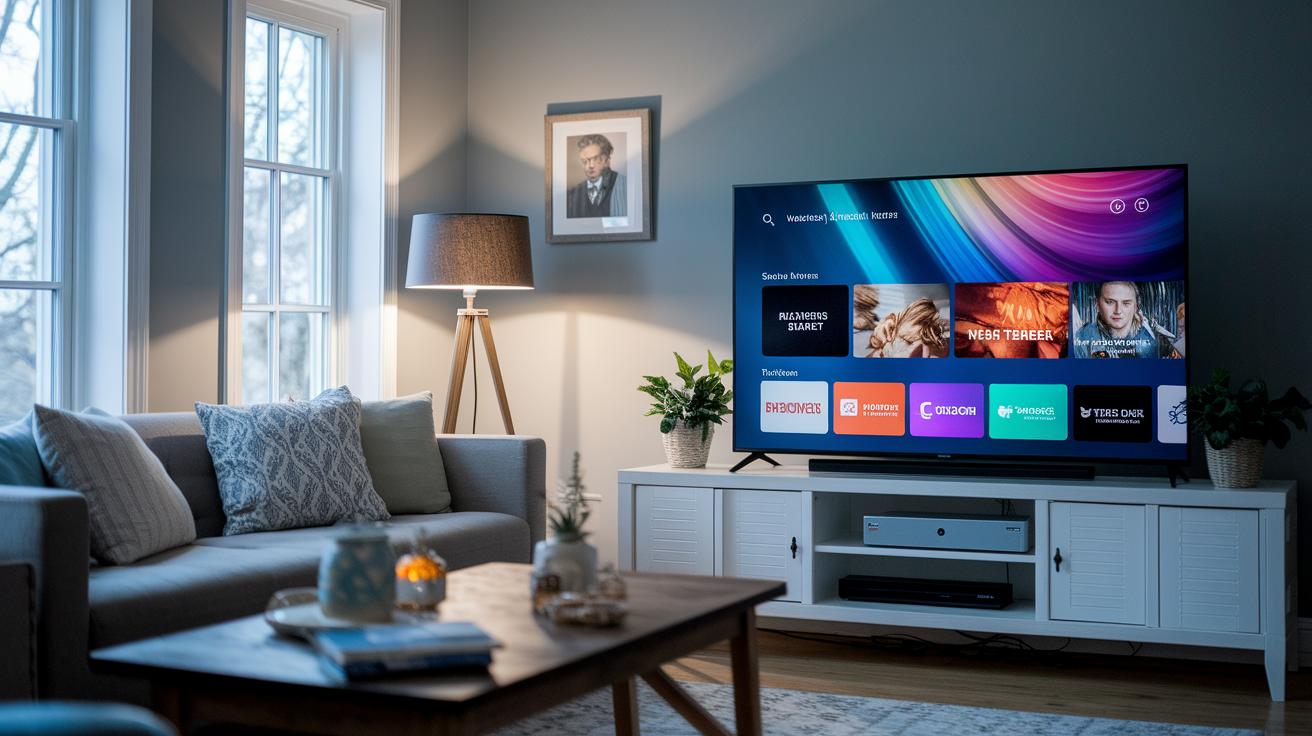
Connected TV, or CTV, is all about watching shows on screens that connect to the internet. Think smart TVs with built-in apps or older TVs that use devices like Roku, Amazon Fire Stick, or Chromecast. Traditional TV follows a set schedule for its shows, while mobile streaming lets you watch on your phone when you’re on the go. Imagine checking out a blockbuster: on a smart TV, you get a sharp picture and fun ways to interact, but on your phone, you might miss out on some cool extra features.
CTV gives you a more hands-on viewing experience compared to regular TV or mobile streaming. You can choose what to watch and when to watch it, and you’ll face fewer annoying ads. For example, FAST channels (free ad-supported streaming television) typically show around nine minutes of ads each hour, much less than what you’d see on traditional TV. This means a smoother, more enjoyable ride that really takes advantage of new digital targeting tech.
Core Features of Connected TV Platforms
On-demand streaming is one of the coolest perks of connected TVs. It lets you watch your favorite shows and movies whenever you want, no more sticking to a strict broadcast schedule. With options like SVOD (subscription video on demand) and FAST (free ad-supported streaming television), there's always something new to enjoy. Imagine ending your day and thinking, "I’m in the mood for a comedy marathon," and your TV instantly serves up a fresh batch of laughs. This freedom not only makes watching TV a lot more fun but also turns every viewing session into a chance to discover a hidden gem.
Interactive navigation and voice control take the experience a step further. Today's platforms come with smart menus that feel like you're chatting with a friend. You can even use your voice to switch channels, search for shows, or tweak your settings, just say, "Hey TV, show me the latest thriller," and watch it work its magic. This hands-free feature makes it super easy to enjoy your favorite content, even if you’re not into tech stuff. And with modern ad formats that blend in smoothly, you get a viewing experience that’s both smart and enjoyable.
| Platform Type | Built-in Apps | Casting Options |
|---|---|---|
| Smart TVs | Yes | Direct streaming via native apps |
| Streaming Sticks | Yes | Mobile mirroring and app casting |
| Gaming Consoles | Limited | Streaming apps and casting features |
Connected TV: Exciting Trends and Smart Benefits
CTV ads pop up right on your smart TV or any connected device while you're catching your favorite streaming shows. They play as quick 15- or 30-second spots that slide in smoothly, making you almost forget they’re ads. It’s like the ad becomes a tiny part of the show, blending right into the action.
The journey begins with a clear plan. Advertisers pick the perfect platform and craft short, punchy clips designed to catch your eye. Next, they set a budget and choose a bidding strategy, often letting automated tools handle the real-time tweaks. From uploading the creative files to launching the campaign, every step is set up to hit the mark and work as efficiently as possible.
They also keep a close eye on how well the ad is doing by tracking numbers like impressions, return on ad spend (ROAS, which is basically how much money comes back for every dollar spent), cost per completed view, and cost per acquisition (CPA). Add in details like reach and frequency, and you’ve got a system that uses first- and third-party data, even hyper-local IP targeting, to make sure every ad dollar is spent wisely. With automated optimization and strong video engagement, each ad is aimed to connect with the right viewer at the perfect moment.
Buying Guide: Choosing the Right Connected TV Device
When you’re picking out a connected TV device, you’ve got plenty of fun choices to check out. Many Smart TVs from big names like Samsung, LG, Vizio, and Sony come ready to go with built-in streaming apps and regular updates, just plug in and enjoy the show. Or, you could jazz up an older TV with a streaming device like Roku, Fire Stick, or Chromecast that turns it into a smart hub. And yes, gaming consoles like Xbox and PlayStation double as streaming devices while offering interactive gaming too.
Before you decide, take a moment to look at a few key features. Think about the app library, more options mean endless entertainment. Also, make sure the user interface is simple to navigate because a tricky menu can be a real bother. A device that updates smoothly will stay secure and run well, and built-in smart assistant support can really come in handy. Lastly, check that casting and mirroring work reliably so your device plays nice with all your other gadgets.
Connected TV: Exciting Trends and Smart Benefits
Connected TV is really changing how brands connect with viewers. Instead of sticking with old channels, new streaming platforms let ads pop up automatically on FAST channels, making everything feel super seamless. Imagine watching a live game and seeing an ad that tweaks itself right before your eyes, it's like the ad has its own personality!
Looking ahead, smart tools powered by AI are mixing up the game for ad campaigns. They make planning and tracking super simple, almost like having a friendly helper by your side. And with voice commands in the mix, you could say "Skip ad" and jump straight to your favorite scene. Plus, new ways of managing digital ad space are sparking creative, interactive ads that know exactly who to reach.
Final Words
In the action, we explored the world of connected tv, from defining what it is and sharing examples like smart TVs, streaming sticks, gaming consoles, and set-top boxes to examining how viewers interact with content over these devices.
We broke down usage stats, compared ad loads with linear TV, and discussed interactive features along with ad tactics. We also walked through tips for choosing the best device and looked ahead at emerging trends.
Overall, this guide leaves you feeling informed and ready to enjoy your favorite connected tv experience with confidence.
FAQ
What is connected TV and can you give an example?
Connected TV means a television device that connects to the internet, like smart TVs, streaming sticks, consoles, or set-top boxes. For example, a Samsung smart TV lets you stream movies and shows online.
What is a connected TV app?
A connected TV app refers to software on internet-enabled TVs that streams content. It lets you watch movies, shows, and interactive features without needing traditional cable services.
What’s the difference between connected TV and streaming or OTT?
The difference between connected TV and streaming lies in the device type: connected TV uses smart screens and streaming devices, while streaming (or OTT) covers content on mobile phones and computers.
How do connected TV advertising platforms work?
Connected TV advertising platforms work by placing targeted ads on internet-enabled devices. They gather key metrics like impressions and cost per completed view to help marketers optimize campaigns effectively.
Which devices offer connected TV functionality?
Devices offering connected TV functionality include smart TVs, streaming sticks like Roku or Fire Stick, gaming consoles, and set-top boxes, all of which provide internet-enabled viewing for your favorite content.
What are connected TV channels?
Connected TV channels refer to streaming services like FAST channels that deliver live or on-demand content with fewer ads. They offer varied content options compared to traditional television channels.