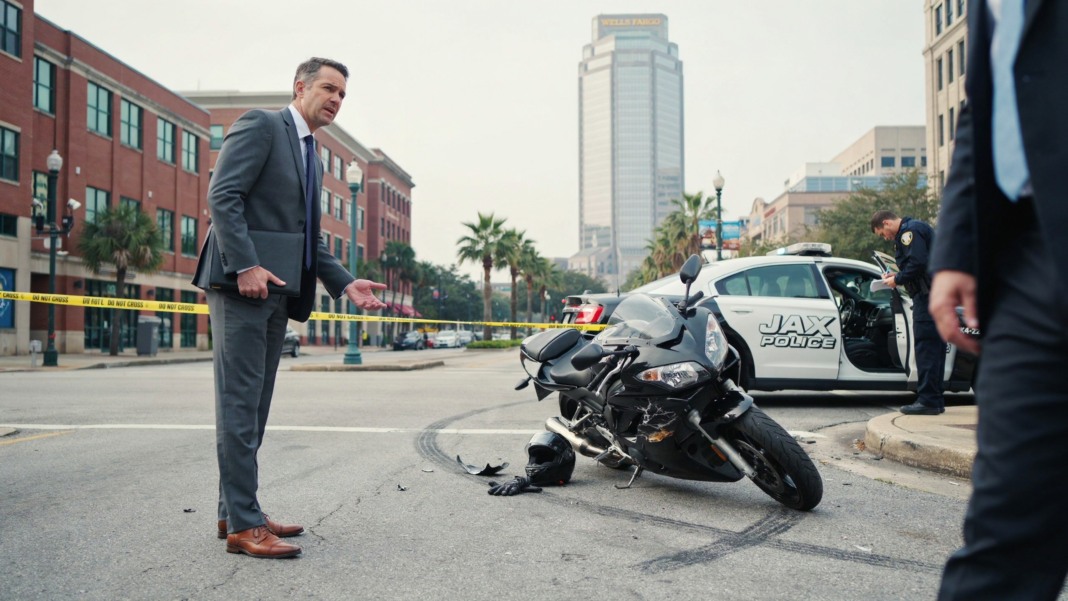
After a Jacksonville motorcycle crash, prioritize safety and medical care. When it’s safe, document the scene and preserve relevant records.
Motorcycles generally fall outside Florida’s mandatory no-fault PIP system, so compensation may depend on available insurance and who was at fault. Florida’s modified comparative-fault rule can reduce your recovery if you share responsibility and bar it if you’re more than 50% at fault. A pain-and-suffering claim may require a qualifying serious injury, and you must file most negligence lawsuits within two years. The Law Offices of Anidjar and Levine can explain your options and next steps. Learn more from a Jacksonville Motorcycle Accident Lawyer.
What to Do After a Jacksonville Motorcycle Crash
After a Jacksonville motorcycle crash, prioritize safety and medical care, even when injuries seem minor. The motorcyclist should move out of traffic only if they can do so safely and avoid removing a helmet if a head or neck injury is possible. Calling 911 connects injured people with emergency medical care and allows responders to manage hazards.
Other motorists and witnesses can help by keeping a safe distance, warning approaching traffic when appropriate, and following dispatcher instructions. This roadside safety planning can reduce the risk of another collision while protecting everyone at the scene. No one should enter an active roadway or attempt to move a seriously injured person unless an immediate danger requires it.
When conditions permit, the motorcyclist or a trusted companion can exchange contact and insurance details, photograph the scene, and note witness information. Prompt medical assessment and careful documentation support recovery and preserve a clear record. A calm, compassionate response helps injured people receive assistance without creating additional risks.
How Florida No-Fault Rules Apply to Motorcycles
Although Florida’s no-fault system generally requires drivers to turn first to their own Personal Injury Protection (PIP) coverage after a crash, the state’s mandatory PIP rules do not cover motorcycles. This distinction can leave injured riders without the immediate, first-party benefits that drivers may expect under no-fault law.
PIP eligibility generally depends on the vehicle involved and the injured person’s relationship to it. Because a motorcycle is excluded from the mandatory PIP framework, a rider typically cannot claim PIP benefits through a motorcycle policy simply because a crash occurred. Coverage exclusions and policy terms may also affect whether a person injured while riding can access PIP through another insured vehicle or household policy. The answer depends on the facts and the policy language.
Riders and families should not assume no-fault protections apply automatically. Promptly review available policies and seek qualified guidance to clarify eligibility, preserve important options, and help injured people focus on recovery and supporting one another.
What Insurance Can Pay for Motorcycle Crash Losses?
Because motorcycles are generally outside Florida’s mandatory PIP system, payment for crash-related losses may depend on other available coverage. A rider’s own policy may include Medical payment coverage, which can help pay eligible medical expenses regardless of fault, subject to policy limits and terms. Uninsured motorist coverage may apply when an at-fault driver has no insurance or insufficient coverage, helping address certain bodily injury losses. If another driver caused the collision, that driver’s liability insurance may cover proven damages, including medical costs, lost income, and pain and suffering, within available limits. A rider may also provide collision coverage for motorcycle repairs, typically with a deductible. Coverage depends on the policies, exclusions, and crash facts, so prompt notice to insurers and careful recordkeeping can help protect a claim. Because treatment and recovery can create financial strain, reviewing all potentially applicable policies may help injured riders and their families understand available resources and plan next steps.
When Do Injuries Meet Florida’s Serious-Injury Threshold?
When does a motorcycle injury meet Florida’s serious-injury threshold? Florida’s no-fault rules generally require a person to meet a statutory threshold before pursuing compensation for pain and suffering against an at-fault driver. Qualifying conditions include a significant and permanent loss of an important bodily function, a permanent injury, significant and permanent scarring or disfigurement, or death.
A diagnosis alone may not establish that an injury qualifies. The nature, duration, and lasting effects of the harm matter, and each case depends on its medical evidence. Prompt treatment and consistent Medical Documentation can help show how the crash affected daily activities, work, mobility, and independence. Records may include examinations, imaging, treatment plans, expert opinions, and assessments of lasting limitations.
These Injury Thresholds can be difficult to evaluate while a person is recovering. A careful medical assessment can clarify whether symptoms are expected to improve or indicate permanent impairment. Understanding the standard helps injured riders and families make informed decisions about available legal options and the support needed during recovery.
How Fault Affects a Florida Motorcycle Accident Claim
Fault can affect both whether an injured motorcyclist recovers compensation and how much may be available. Florida’s comparative fault rules may reduce recovery based on the rider’s share of responsibility. Establishing negligence with evidence is consequently central to evaluating a claim.
Florida’s Comparative Fault
Under Florida’s modified comparative fault rule, an injured motorcyclist may recover damages only if their share of responsibility is 50% or less. This system, often called Modified comparative negligence, allows recovery when the rider is no more than half at fault. If the rider’s responsibility exceeds 50%, compensation is barred. When recovery remains available, the award is reduced by the rider’s percentage of fault. For example, a rider found 20% responsible for a $100,000 loss could recover $80,000. Fault apportionment as a result directly affects the value of a claim, even when another party also contributed to the crash. The rule applies to covered damages, including medical expenses, lost income, and pain and suffering. Understanding how shared responsibility influences recovery can help injured riders make informed decisions during a difficult period.
Proving Negligence
To recover compensation after a Jacksonville motorcycle crash, an injured rider generally must show that another party’s negligence caused the accident and resulting harm. This usually requires establishing a duty of care, a Breach of duty, and damages. For example, evidence that a driver failed to yield or check a blind spot may help demonstrate unreasonable conduct. The rider must also connect that conduct to the collision and injuries through causation evidence, such as crash reports, photographs, medical records, witness statements, or expert analysis. Florida’s comparative fault rules may reduce recovery if the rider shares responsibility, so a clear account of each party’s actions matters. Careful documentation can help insurers and courts assess the facts fairly, supporting an injured person’s effort to obtain compensation while focusing on recovery and family responsibilities.
What Florida’s Comparative Negligence Rule Means
When a motorcycle crash involves shared responsibility, Florida’s comparative negligence rule determines how fault affects an injured person’s compensation. Under Florida’s modified comparative negligence system, a rider may seek compensation if the rider’s share of fault is 50 percent or less. If the rider is found more than 50 percent responsible, recovery is barred.
Shared fault can arise when multiple actions contribute to a collision, such as a driver’s unsafe turn and a motorcyclist’s failure to follow a traffic rule. A court or insurer may assign each party a percentage of responsibility based on the available evidence. The rider’s percentage then determines the claim reduction: for example, a finding of 20 percent fault generally reduces recoverable compensation by 20 percent.
These assessments can be disputed, and evidence such as crash reports, witness accounts, and photographs may matter. Careful, fair evaluation helps guarantee that responsibility is not assigned by assumption, especially when an injured rider faces significant physical and financial strain.
Which Damages Can Jacksonville Riders Recover?
Once fault is assessed, the next question is what losses an injured Jacksonville rider may recover. Florida law allows compensation for documented economic losses and, where supported, the personal impact of an injury. The available damages depend on the evidence and circumstances of the crash.
| Damage category | Examples |
|---|---|
| Medical expenses | Emergency care, surgery, medication, rehabilitation |
| Lost income | Missed work and reduced earning capacity |
| Property damage | Motorcycle repair or replacement, damaged gear |
| Non-economic losses | Pain, emotional distress, loss of enjoyment |
Medical expenses may include reasonable treatment costs already incurred and anticipated future care. Lost income can account for wages missed during recovery; lasting limitations may affect future earning capacity. Property claims may cover a damaged motorcycle and riding equipment. Non-economic damages recognize physical pain, emotional strain, and disruption to daily life.
Records such as bills, pay statements, repair estimates, and medical evaluations can help establish the extent of these losses. Careful documentation supports a fair assessment and helps injured riders access recovery resources and manage family responsibilities.
How Helmet Laws Affect Motorcycle Accident Claims
Florida law sets specific helmet requirements for motorcycle riders, and compliance may become relevant after a crash. Helmet use can affect how insurers evaluate fault and injury claims, but it does not automatically bar recovery. Riders seeking compensation for head injuries may need evidence connecting the crash to their losses.
Florida Helmet Requirements
Motorcycle helmet use can affect both injury severity and how an accident claim is evaluated. Florida generally requires helmets for riders and passengers under 21. Those 21 and older may ride without helmets if they carry at least $10,000 in medical benefits coverage for motorcycle crash injuries. Understanding these rules helps riders protect themselves and others.
- Helmet certification: Required helmets must meet federal safety standards; novelty helmets may not qualify.
- Passenger requirements: Passengers follow the same age and coverage rules as operators.
- Eye protection: Riders need protective eyewear unless the motorcycle has an approved windshield.
- Claim documentation: Medical records and crash evidence can clarify injuries and treatment needs.
A helmet-law violation does not automatically determine a claim’s outcome. Each case depends on its facts, applicable law, and evidence. Prompt medical care supports recovery and creates a clear injury record.
Helmet Use And Fault
Although helmet use can affect injury evidence, it does not by itself establish who caused a motorcycle crash. Florida fault analysis focuses on each party’s conduct, including whether a driver or rider acted negligently. Helmet use and helmet exemptions may matter when evaluating whether an injury could have been reduced, but they do not automatically determine liability for the collision.
| Issue | Claim relevance |
|---|---|
| Crash cause | Examines conduct leading to impact |
| Helmet use | May inform injury-related arguments |
| Protective gear | Can be considered with other evidence |
An insurer or court may assess the circumstances individually, rather than treating helmet status as proof of fault. Riders and families merit a fair review of all available evidence, including traffic conditions and witness accounts. Legal guidance can help clarify how helmet choices relate to a particular claim without confusing injury questions with responsibility for the crash.
Proving Head Injury Damages
When a motorcycle crash causes a head injury, proving damages requires medical evidence linking the injury to the collision and documenting its effects. In Florida, helmet use may affect how fault and damages are evaluated, but it does not erase a rider’s right to seek compensation. Evidence should show both the injury’s seriousness and its impact on daily life.
- Medical documentation, including scans, expert reports, and treatment records, can establish diagnosis and causation.
- Symptom journals and testimony from family or caregivers can explain changes in memory, mood, or independence.
- Employment records may support claims for lost income and reduced earning capacity.
- Doctors’ opinions and treatment plans can help estimate future care costs.
Careful records help insurers and courts assess needs fairly, supporting recovery and the people who assist the injured rider. Each claim turns on its evidence and circumstances.
How to Preserve Motorcycle Crash Evidence
Preserving evidence promptly after a motorcycle crash can help clarify how the collision occurred and support an injury claim. If medically able, the rider or a trusted companion can document the scene without disturbing it. Scene photography should capture vehicle positions, road conditions, traffic signs, visible injuries, debris, and damage from several angles. Witness identification is also important: names and contact details can help investigators locate people who saw the crash.
The motorcycle, helmet, clothing, and damaged gear may contain evidence of impact and should be kept in their post-crash condition. They should not be repaired, cleaned, discarded, or altered before they are documented. Medical records, prescriptions, receipts, and a dated account of symptoms can help show the effects of the injuries over time. Copies of relevant documents should be stored securely.
Because injuries and shock can make these steps difficult, a companion may assist when appropriate. Promptly preserving available evidence can help protect an accurate record and support a fair review of the incident.
What to Say to Insurance Adjusters After a Crash
After a motorcycle crash, an injured rider should give insurance adjusters only accurate, verifiable facts and avoid guessing about fault or injuries. Adjusters may request a recorded statement, but the rider is generally not required to provide one to the other driver’s insurer. Consulting an attorney before discussing the crash can help protect the rider’s interests.
Stick to Verifiable Facts
Insurance adjusters may ask a motorcyclist for a statement soon after a crash, when details can be difficult to recall. A careful account helps clarify what happened without speculation. The rider should distinguish direct observations from assumptions and acknowledge uncertainty rather than guess. This approach supports a fair review and respects everyone affected by the collision.
- Describe the time, location, weather, and road conditions as accurately as possible.
- Report what the rider saw, heard, and did before impact, without assigning blame.
- Identify injuries and damage observed, noting that symptoms may change over time.
- Refer to available records, such as photographs, witness details, or medical notes, to confirm specifics.
Motorcycle maintenance and rider training may inform a rider’s account, but neither establishes crash responsibility by itself. Clear, truthful facts help insurers assess claims and help injured people receive appropriate attention. When details are uncertain, saying so is more reliable than filling gaps with guesses.
Avoid Recorded Statements
Because an adjuster’s recorded questions can shape how a claim is evaluated, a motorcyclist may ask who is calling, which insurer they represent, and what information is needed before responding. The caller may request a statement soon after a crash, when pain, stress, or incomplete information can make precise answers difficult. Recorded Statement Risks include misunderstood details, guesses, or comments later taken out of context. A motorcyclist can provide basic facts, such as contact information and the crash date, without agreeing to a recorded interview or discussing fault, injuries, or medical history. Adjuster Call Preparation means noting the caller’s name, company, claim number, and questions, then requesting time to review the request. Legal counsel can explain obligations and help protect accurate reporting. A calm, courteous response supports fair communication while preserving the rider’s ability to clarify facts as evidence develops.
How Long Do You Have to File a Florida Lawsuit?
How long a person has to file a Florida motorcycle accident lawsuit depends on when the crash occurred and the claims involved. For many negligence claims arising from crashes on or after March 24, 2023, Florida generally allows two years to file. Earlier crashes may fall under a different limitations period, so the accident date matters.
Filing deadlines can affect whether an injured rider or family can seek compensation. Missing the applicable deadline may bar a claim, regardless of how serious the harm is. Certain circumstances may change how time is calculated, but statute exceptions are fact-specific and should not be assumed.
- A claim against a government entity may require earlier notice and additional steps.
- A minor’s claim or a person’s incapacity can involve special timing rules.
- A death caused by a crash may trigger a separate wrongful-death deadline.
- Insurance claims and court lawsuits can have different requirements and timelines.
Promptly preserving records and identifying the applicable deadline can protect a family’s ability to pursue accountability and meet its needs.
When to Contact a Jacksonville Motorcycle Accident Lawyer
After a motorcycle crash in Jacksonville, contacting a lawyer promptly can help preserve evidence, clarify deadlines, and protect a rider’s options while medical care remains the priority. Early guidance can also help prevent avoidable mistakes when insurers request statements or records.
Consultation timing matters because physical evidence, witness recollections, and available video may become harder to obtain as days pass. A lawyer can explain Florida’s filing deadlines, assess potential claims, and coordinate with the rider’s medical team without interfering with treatment. If injuries are serious, fault is disputed, or an insurer offers a quick settlement, legal advice can be especially valuable.
Attorney selection should focus on experience with Florida motorcycle cases, clear communication, and a willingness to explain fees and next steps. A rider may ask how the lawyer handles investigations, negotiations, and litigation. Family members or caregivers can help arrange a consultation when injuries make direct communication difficult. Prompt, informed support can ease uncertainty and help the rider make decisions at a difficult time.
Frequently Asked Questions
Are Motorcycle Passengers Covered by the Same Florida Accident Laws as Riders?
Yes. Motorcycle passengers generally follow the same Florida injury and liability laws as riders, including fault allocation rules. Passenger injury rights may include compensation from responsible parties, though coverage and recovery depend on circumstances and insurance.
Do Florida Motorcycle Laws Require Riders to Carry Specific Protective Gear?
Florida requires helmets for riders under 21; older riders may ride without them if they carry qualifying medical insurance. Helmet requirements do not replace eye protection, which every rider must wear unless the motorcycle has an approved windshield.
Can a Family Pursue a Claim After a Fatal Jacksonville Motorcycle Crash?
Yes. Eligible relatives may pursue a wrongful death claim after a fatal Jacksonville motorcycle crash. Florida law governs wrongful death eligibility, while the estate may seek estate damages; an attorney can assess deadlines and available recovery.
Are Motorcycle Accidents Involving Government Vehicles Subject to Special Filing Rules?
Yes. Motorcycle crashes involving government vehicles may trigger Government claim deadlines and sovereign immunity rules, including notice requirements and damage limits. Injured riders or families should promptly consult a qualified attorney to protect their rights and pursue accountability.
Can a Motorcycle Accident Claim Involve a Defective Bike or Component?
Yes. A motorcycle accident claim may involve Product liability if a defective bike or part contributed to the crash. Component failure can implicate manufacturers, distributors, or repairers, helping injured riders pursue accountability and compensation.
—————————
Florida motorcycle accident claims may involve different insurance rules, fault standards, evidence requirements, and filing deadlines than car crashes. Prompt medical care, careful documentation, and measured communication with insurers can help protect a rider’s options. Because injuries and liability disputes may complicate recovery, the Jacksonville Motorcycle Accident Lawyer team at Law Offices of Anidjar and Levine can explain how Florida law applies to the circumstances. Riders should seek reliable legal guidance without delaying treatment or overlooking important deadlines after a crash.