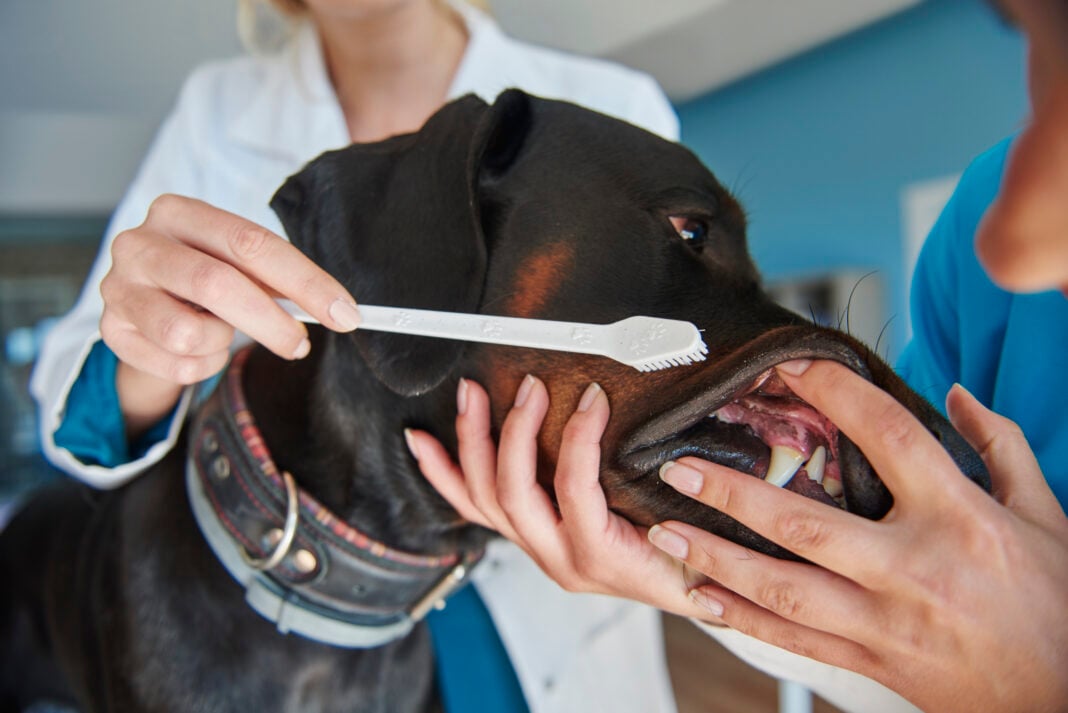
Your dog greets you at the door with the same wagging tail every day. Your cat still curls up in her favorite spot each evening. Life seems normal—but dental disease could be quietly developing beneath the surface, hidden from plain sight until it becomes a much bigger issue. That’s the tricky thing about pet dental care: many of the earliest warning signs aren’t visible at all.
Pets are remarkably good at masking pain and discomfort. It’s an instinct carried over from their wild ancestors, who couldn’t afford to show vulnerability to predators or rivals. Unfortunately, this means your furry companion may be living with a sore tooth, inflamed gums, or even an infection without giving you any dramatic clues. Knowing what subtle signs to watch for can make all the difference in catching dental problems early.
The Hidden Signs Worth Watching For
Instead of waiting for obvious symptoms like visibly broken teeth, pay attention to smaller shifts in your pet’s everyday behavior.
Changes in eating habits are often the first clue. Does your pet suddenly prefer wet food over kibble? Are they chewing more on one side of their mouth, or dropping food while eating? These small adjustments can signal discomfort they’re trying to work around.
Bad breath is easy to dismiss as “just a dog thing” or “just a cat thing,” but persistent, unusually strong odor can indicate a buildup of bacteria linked to gum disease.
Pawing at the face or mouth is another subtle cue. If your pet seems to be rubbing their face against furniture or pawing at their mouth more than usual, it could be an attempt to relieve pressure or pain.
Reduced interest in chew toys matters too. A pet who once happily gnawed on their favorite toy but now avoids it may be experiencing tenderness in their gums or teeth.
Behavioral shifts, like increased irritability, withdrawal, or reluctance to be touched near the face, can also point to discomfort that hasn’t yet become visible.
Why Early Detection Matters
Left untreated, dental issues don’t just stay confined to the mouth. Bacteria from gum disease can enter the bloodstream and potentially affect vital organs, including the heart, liver, and kidneys. What starts as a seemingly minor dental issue can snowball into a far more serious—and costly—health concern.
This is exactly why regular veterinary checkups matter so much. Vets are trained to spot early indicators that owners might miss, from slight gum recession to minor tartar buildup. Routine professional cleanings, paired with your own at-home observations, create a strong defense against dental disease before it escalates.
Building a Pet Dental Care Routine at Home
Beyond vet visits, there’s plenty you can do at home to support your pet’s dental health. Brushing your pet’s teeth with pet-safe toothpaste, offering dental chews designed to reduce plaque, and incorporating water additives recommended by your vet are all simple habits that add up over time.
Consistency is key. Just like with humans, a daily or weekly dental routine is far more effective than sporadic effort. Even a few minutes a few times a week can meaningfully reduce the risk of problems developing unnoticed.
Protecting Your Pet’s Health, Inside and Out
Dental problems don’t always announce themselves loudly, but they can have a real impact on your pet’s overall wellbeing. Staying attentive to subtle changes—and pairing that awareness with regular veterinary care—gives your pet the best chance at a healthy, pain-free mouth.
Of course, veterinary care (dental or otherwise) comes with costs that can add up quickly, especially when problems are caught late. That’s where Lemonade’s pet health insurance can help, offering coverage for unexpected illnesses alongside optional wellness add-ons for preventive needs. Having that safety net in place means you can focus on what matters most: keeping your pet happy, comfortable, and smiling.