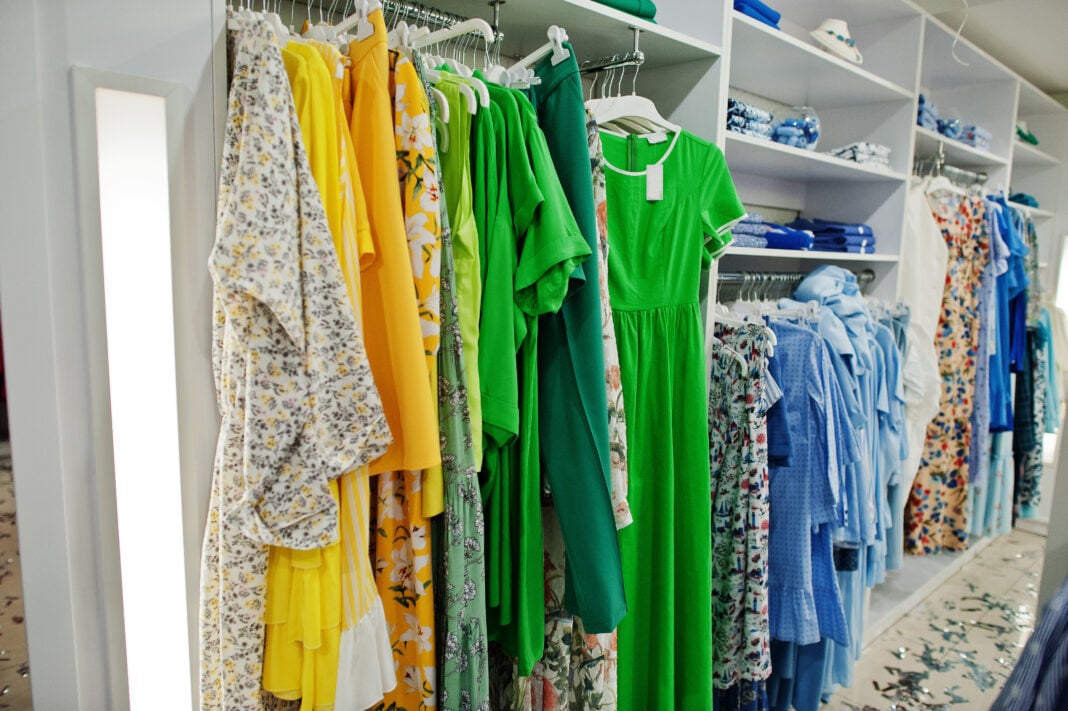
Staring into a closet full of clothes and still feeling like you have “nothing to wear” is one of the most common wardrobe frustrations out there. The problem usually isn’t a lack of options — it’s a lack of organization. Color coding your closet is one of the simplest, most visually satisfying ways to bring order to the chaos, making it easier to find what you need, plan outfits faster, and even decide what to keep or let go.
Whether you’re working with a small reach-in closet or overflow clothing in a rented storage unit, a color-coded system can transform how you interact with your wardrobe. Here’s how to set one up and make it actually work long-term.
Why Color Coding Works
The human eye naturally gravitates toward color before it registers shape or texture. That means when your closet is arranged by hue, you can scan it in seconds rather than digging through hangers one by one. Color coding also creates a built-in inventory system — when you notice you own fifteen black tops but no green ones, you gain useful insight into your actual style preferences and shopping habits.
Beyond convenience, this method turns your closet into something visually calming. A rainbow gradient of clothing looks intentional and put-together, which can make getting dressed each morning feel less like a chore and more like a simple, enjoyable choice.
Step 1: Sort Everything by Category First
Before you even think about color, group your clothing by type: tops, bottoms, dresses, outerwear, and so on. Trying to color code your entire wardrobe as one giant mass will only create confusion. Once each category is separated, you can layer the color system within each section, so all your sleeveless tops flow from light to dark, followed by your long-sleeve tops doing the same.
This two-step sorting method — category first, color second — is what separates a functional system from a purely decorative one.
Step 2: Establish Your Color Order
Most people follow the general logic of a color wheel or the order of a rainbow: whites and neutrals, then yellows, oranges, reds, pinks, purples, blues, greens, and finally browns and blacks. You don’t have to follow this exactly, but having a consistent order matters more than which one you choose. Consistency is what makes the system intuitive over time, so you’re not re-deciding placement logic every time you do laundry.
If you have a lot of patterned items, designate a separate zone for them, sorted by the dominant color in the pattern. Trying to fit multicolored pieces into a strict single-color lineup usually creates more frustration than it solves.
Step 3: Use the Right Tools
A color-coded closet only stays organized if the setup supports it. Uniform hangers make a huge visual difference, since mismatched hangers of different colors and materials interrupt the flow of the color gradient. Slim velvet hangers are a popular choice because they save space and keep everything hanging at the same height.
Shelf dividers, bins, and drawer organizers can extend the same principle to folded items like sweaters and t-shirts. Label bins if needed, but let the color grouping do most of the visual work.
Step 4: Extend the System Beyond Your Main Closet
Not everyone has enough closet space to house a full wardrobe, especially when it comes to seasonal items like heavy coats, holiday sweaters, or off-season shoes. If you’re storing overflow clothing in a rented storage unit, apply the same color-coded logic there. Use clear, labeled bins organized by color and category so that swapping out your wardrobe between seasons doesn’t turn into a treasure hunt.
Keeping a consistent system between your closet and your storage unit means you’ll always know exactly where an item lives, even if it’s not within arm’s reach.
Step 5: Maintain the System Regularly
The biggest challenge with any organizational method is upkeep. Set a habit of returning items to their proper color zone after laundry day, rather than shoving clean clothes wherever there’s space. A quick seasonal review — checking for items that no longer fit the system or your lifestyle — will also keep things from sliding back into disorder.
Color coding your closet isn’t just about aesthetics; it’s a practical system that saves time, reduces decision fatigue, and helps you see your wardrobe more clearly. With a little upfront sorting and the right storage tools, you can create a closet — and even a storage unit — that works with you instead of against you.