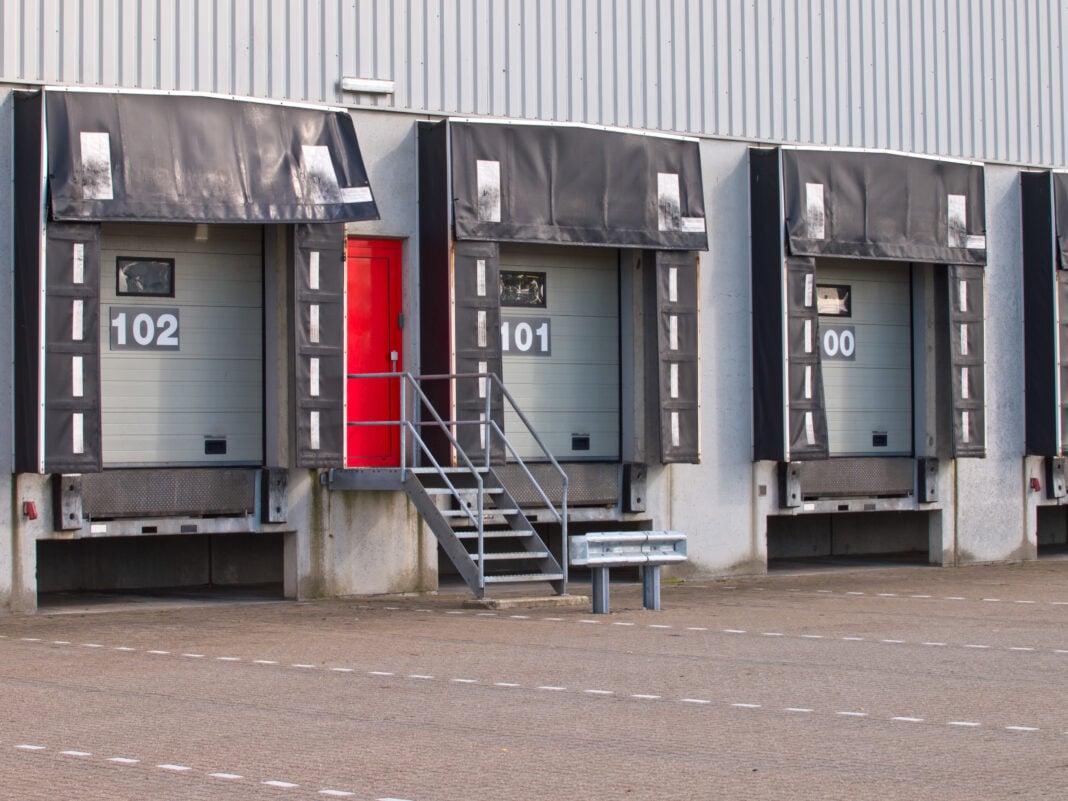
Warehouses are a constant swirl of motion. Forklifts weave between pallets, trucks back into docks, and workers move quickly to keep shipments on schedule. In an environment where every second counts, confusion isn’t just inconvenient — it’s dangerous. That’s where warehouse industrial signs come in, particularly around loading docks, where foot traffic, vehicle movement, and heavy equipment converge in a single high-risk zone.
The Loading Dock: A Hub of Activity and Hazard
Loading docks are often the busiest part of any warehouse. Trucks arrive and depart throughout the day, workers load and unload goods, and forklifts shuttle materials back and forth. Without clear visual guidance, this constant activity can quickly turn chaotic. Workers may be unsure which bay to approach, drivers may misjudge clearance, and pedestrians can inadvertently wander into vehicle pathways.
Loading dock signs establish order in this fast-paced setting. They mark bay numbers, indicate one-way traffic flow, and designate pedestrian walkways separate from vehicle lanes. By giving everyone — from seasoned employees to first-time delivery drivers — a clear sense of where to go and what to avoid, these signs reduce the split-second decisions that often lead to mistakes.
Preventing Costly Accidents
Confusion at a loading dock isn’t just an efficiency problem; it’s a safety concern. Forklifts and trucks operating in close proximity to workers create real risk, especially when visibility is limited or when new employees aren’t familiar with the layout. Clear signage, such as “Caution: Forklift Traffic,” “Dock Plate in Use,” or “Trucks Entering,” helps everyone stay alert to potential hazards before they become incidents.
Signs that mark restricted areas, weight limits for dock plates, and designated stopping points for trucks also help prevent equipment damage and structural wear. When expectations are communicated visually and consistently, it becomes much easier for workers to anticipate movement around them rather than react to it at the last second.
Supporting Efficient Workflow
Beyond safety, loading dock signage plays a major role in operational efficiency. Clearly labeled bays allow drivers to navigate to the correct location without needing directions from staff, which saves time for everyone involved. Directional arrows and lane markings help trucks maneuver smoothly, reducing the likelihood of backups or blocked pathways during peak shipping hours.
For warehouse teams managing multiple deliveries at once, signage that identifies specific zones — such as receiving, staging, or outbound shipping — keeps inventory moving in the right direction. This kind of visual organization minimizes the back-and-forth communication that would otherwise be needed to keep operations on track, allowing teams to focus on the task at hand rather than troubleshooting confusion.
Enhancing Communication Across Shifts and Teams
Warehouses often operate across multiple shifts, with different teams, temporary staff, or contracted drivers coming and going. Verbal instructions passed from one shift to the next can easily get lost or misunderstood. Permanent, well-placed signage ensures that critical information — like dock assignments, safety protocols, or equipment restrictions — remains consistent no matter who is working at any given time.
This consistency is especially valuable for onboarding new employees or managing seasonal spikes in warehouse activity. Instead of relying on memory or word-of-mouth instructions, new workers can quickly orient themselves using the same visual cues that guide everyone else on the floor.
Creating a Culture of Clarity and Accountability
When signage is clear and strategically placed, it does more than prevent accidents — it fosters a culture where safety and order are built into daily operations. Workers become accustomed to checking signs for guidance, and that habit reinforces accountability across the team. Over time, this reduces the likelihood of shortcuts or guesswork that can lead to costly mistakes.
Bringing It All Together
Busy warehouses depend on smooth coordination between people, vehicles, and equipment, and loading docks are where that coordination is tested most. Thoughtfully designed warehouse industrial signs bring structure to this high-traffic environment, reducing confusion, improving safety, and keeping operations running efficiently. In a space where clarity can mean the difference between a smooth shift and a serious incident, investing in strong signage is one of the simplest and most effective steps a warehouse can take.