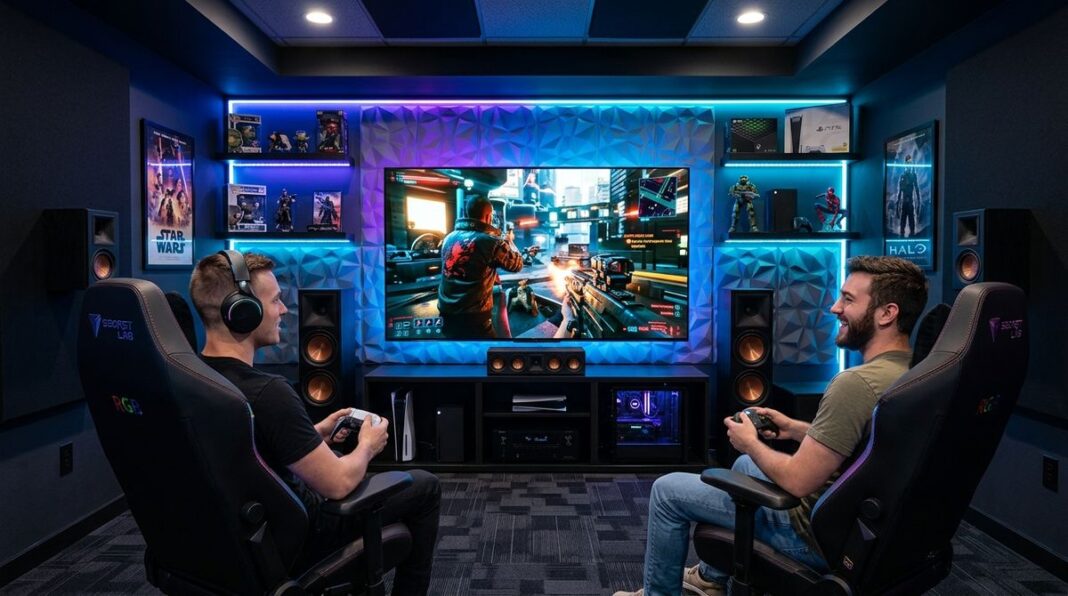
Running a retro gaming room that takes birthday bookings can bring steady weekend income and a playful identity for a small venue. It also brings staffing pressure, equipment wear and a crowd that expects a lot from a short session. This article looks at the advantages and the less glamorous parts so a cautious owner can judge the fit. Nothing here guarantees earnings, and the details will vary with your city, your budget and your insurance terms.
Where Party Demand Tends to Come From
Families usually plan birthday parties weeks ahead, which gives an owner a clear view of upcoming bookings. A retro theme is easy for parents to explain to other guests, and children often remember a party where they could try older consoles for the first time. Weekend afternoons tend to fill first, while weekday evenings may need a different offer or a slower schedule. An owner should not assume every date will sell just because the theme sounds appealing. Owners who track the first few bookings by age group often learn which party packages deserve more space on the website. Early numbers are rough, though, so keep the offer flexible for several months.
Start by asking nearby schools, sports clubs and family groups what they would want from a venue. Readers may also want to visit mortgage-2you.com. Keep the first offer simple so you learn what people actually book. Extras such as themed cake tables or extra playing time can come later, once you know which requests return.
Equipment Care Eats Into Margins
Older consoles and arcade-style cabinets need regular cleaning, controller checks and occasional repairs. A broken joystick on a busy Saturday can ruin a party and leave a family unhappy. Spare parts take time to source, and some machines need specialist help that costs more than a quick fix. These costs are easy to overlook when you first work out the hourly rate. Replacement parts for older machines can arrive slowly, so a spare controller or two on the shelf can rescue an afternoon. Keeping a short list of trusted repair contacts makes a sudden breakdown far less stressful.
Build a maintenance schedule before the doors open. Set aside money each month for replacements and keep a simple log of faults so patterns become visible. You can also visit Wow Golds for more reading. A careful log also protects you if a guest later claims a machine was faulty when they arrived.
Staffing and Supervision on Party Days
A birthday party means a group of children in one room with shared equipment and sugary snacks. Someone must greet families, explain the house rules, watch for rough play and tidy up afterward. A large group may need two people on shift, which changes the labor math for every booking. Underestimating this need is one of the most common reasons a new venue feels overwhelmed. Clear shift handovers matter as well, because a party may run late and the next group may already be waiting outside. A printed run sheet kept at the front desk helps every team member follow the same timing.
Write down the supervision plan for each package and share it with anyone who answers the phone. For a related read on this site, see Internal Training Academies: Where They Help and Where. Consider a short training session on safety, basic first aid and how to handle a disappointed guest calmly. Clear roles reduce confusion and help the afternoon run smoothly for everyone involved.
Insurance, Waivers and Paperwork
Hosting children in a commercial space raises questions about liability, consent forms and insurance coverage. Policies differ widely, and some exclude particular activities or types of equipment. A signed waiver can help, but it does not replace proper cover. Asking a broker to explain each exclusion in plain words can prevent expensive surprises later on. Some parents will ask for refunds when a game fails, and a written policy answers those requests quickly. Store the policy where the booking team can read it during a busy phone call.
Keep booking forms, safety notices and maintenance records in one place. Review your local rules on food handling if you plan to serve snacks or birthday cake. Owners who sort out paperwork early often find that customers trust them more, because the rules are visible from the very first phone call.
Deciding Whether the Idea Fits You
A retro gaming room can suit someone who enjoys hospitality, likes maintaining equipment and can tolerate busy, noisy afternoons. It may be a poor match for an owner who wants quiet evenings or a light workload. Testing the idea with a few pop-up sessions before signing a lease can show whether the demand is real. Honest answers at this stage save both money and disappointment later. A retro room can also host small team events outside the birthday season, which spreads the workload across the year. Plan these gatherings carefully so they do not crowd out the weekend family bookings that pay the bills.
A retro gaming room can give a small venue a reliable core of customers, but it needs careful equipment care, steady staffing and clear paperwork to succeed. Weighing those demands against your own energy and budget makes the decision far easier. A slow, tested start is usually safer than a large launch built on enthusiasm alone.