A garden shop that hosts tabletop game nights brings two very different crowds together. Plant buyers want calm advice and healthy stock, while game players want a comfortable table and a fair match. The owner’s job is to make both groups feel welcome without letting either side crowd out the other. A few simple yardsticks help judge whether the mix is working on a busy weekend.
These points are general operating aims rather than a fixed formula. Each shop will set its own pace, space and budget. The benchmarks below are meant to be checked against real customer behavior, sales records and staff comfort, then adjusted as the business learns what works and what quietly fails in its particular neighborhood.
Clear Zones for Plants and Play
The first yardstick is layout. Plants need light, airflow and room for watering, while game tables need flat space, good lighting and a quiet corner. Separate the two zones with a clear line of shelving or a low divider, so that spilled soil never reaches a board game and loud table talk does not disturb a seedling display. Many owners sketch the floor plan first and test the flow on a busy afternoon. Readers may also want to visit Blog Money 4 U.
Keep walkways wide enough for two people with carts or bags to pass without stepping on stock. Place the checkout where it can see both zones, so that staff can help customers from either side of the shop without walking far.
Stock Matches the Crowd
Stock should suit both audiences. Choose plants that tolerate indoor light and handling, and pair them with easy-to-carry seeds, small herbs or starter kits. On the game side, favor titles that play quickly and teach well, since a newcomer is more likely to return after an evening they enjoyed. Track which items sell on game nights and which stay on the shelf, then adjust the next order. You can also visit Quick PayDay Loans for more reading.
Keep a small section for beginner items on both sides. A first-time visitor should always find something to try, whether it is a pot of basil or a two-player card game that takes ten minutes to learn.
Staff Know Both Trades Well Enough
Staff do not need to be experts in every area, but they should be comfortable explaining the basics. A good team member can name the watering needs of a common houseplant and walk a newcomer through the rules of a simple card game. Short training sessions and a shared cheat sheet help a great deal. Staff should also know the house rules for game tables, such as time limits and the policy on food near boards. For a related read on this site, see Simple Wellness Habits for Small Teams With No.
Rotate shifts so that at least one person is confident about each side of the business during busy hours. A shop that depends on a single expert in plants or games will struggle the day that person is away.
Events Earn Their Place on the Calendar
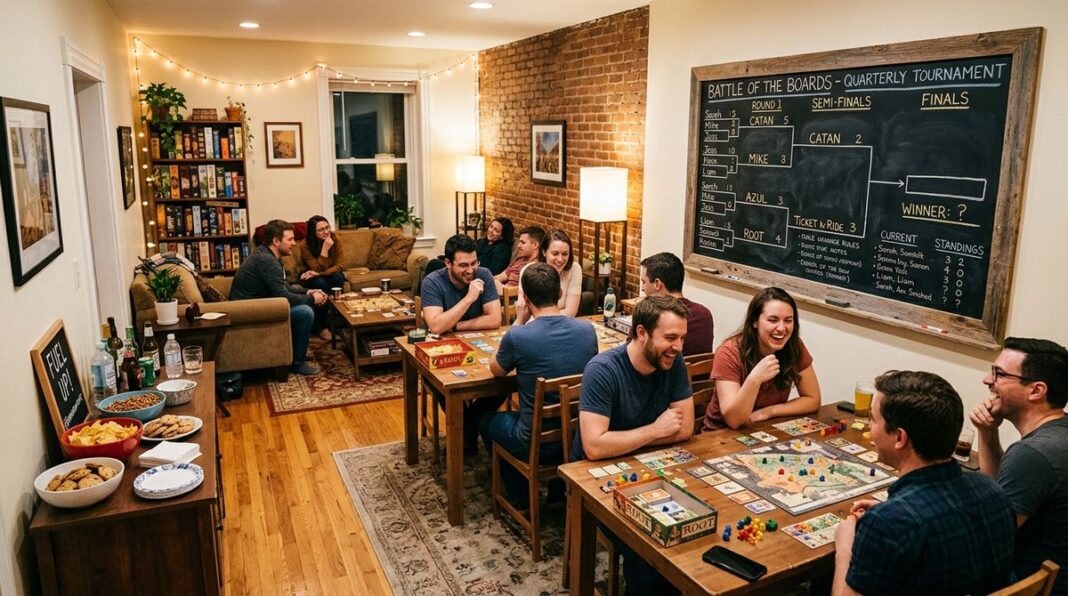
Game nights should be judged by what they bring to the shop, not only by how much fun the evening was. Count the walk-in visits, the plant sales that follow and the email sign-ups. Keep the cost of each event modest, perhaps by using games already on the shelves and volunteer hosts from the community. If an evening consistently brings little benefit, change the format or pause it. A calendar that combines weekly events with steady opening hours keeps the shop predictable for regular customers.
Ask regular players what would bring them back. Their feedback is often more useful than a set of assumptions made behind the counter, and a short suggestion box near the game table can gather ideas without much effort.
Staffing deserves its own planning. Game nights can pull a single employee away from the floor for several hours, so the rota should show who covers the register, who supervises the table and who handles deliveries during the event. A written plan avoids the common mistake of asking one person to do everything at once. Build in a short break for every staff member who works past closing time, because tired staff make mistakes with stock and payments. Think about the neighborhood as well. A shop near a school may need a quieter evening than one in a busy nightlife district, so the games chosen should suit the crowd on the day.
Seasonal changes matter too. Late autumn game nights tend to attract a different crowd than summer events, so the mix of plants and tables should shift with the weather. Write down what worked in each season, and keep that record with the stock notes for the next planning round.
A garden shop with game nights can thrive when the plants, the tables and the staff work as one team. Keep the zones clear, match stock to both audiences, train staff on the basics and judge each event by its real results. These yardsticks will not guarantee success, but they make it easier to notice what is working and to improve it step by step.