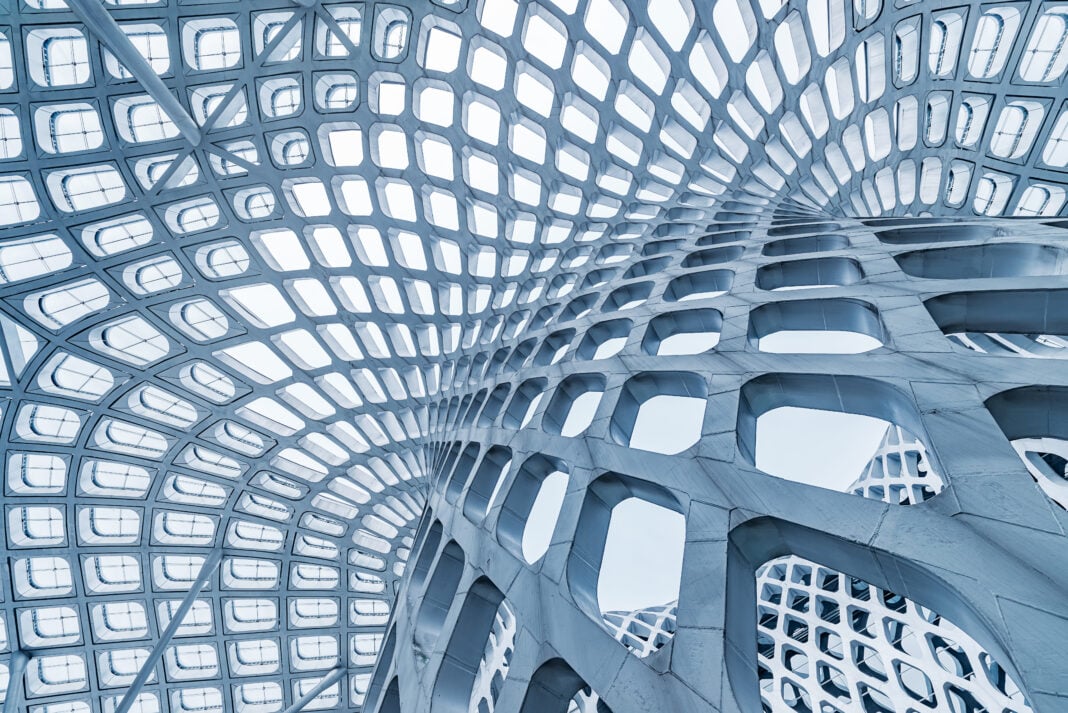
Glass has always occupied a strange position in architecture. It’s simultaneously a barrier and an invitation, a wall that isn’t quite a wall. As we move into 2026, that duality is becoming more pronounced than ever, with a glass structure now expected to do far more than let light in. Today’s buildings ask glass to conserve energy, generate power, respond to weather, and even change appearance on command. Here’s a look at the trends redefining how designers and builders are thinking about this material.
Smart Glass Takes Center Stage
Electrochromic and thermochromic glazing have moved from novelty to necessity. These materials can shift their tint in response to sunlight, temperature, or a simple electronic signal, reducing glare and heat gain without the need for blinds or curtains. What’s changed recently is the sophistication of the control systems behind them. Building management software can now sync window tinting with occupancy patterns, weather forecasts, and even individual room preferences. The result is a glass structure that behaves less like a static surface and more like an adaptive skin, constantly negotiating between comfort and efficiency.
Energy Performance as a Design Driver
Sustainability has stopped being a talking point and become a baseline expectation. Triple-glazed units, low-emissivity coatings, and vacuum-insulated panels are increasingly standard in both commercial and residential projects, not because regulations demand it, but because clients understand the long-term payoff. Insulating glass now rivals traditional wall assemblies in thermal performance, which has opened the door to larger window expanses without the energy penalty that once came with them. Designers are leaning into this freedom, using expansive glazing to blur the line between interior comfort and exterior views.
Structural Glass Redefines What Buildings Can Do
Perhaps the most visually striking shift is the rise of structural glass, where glass itself bears architectural load rather than simply filling gaps between beams and columns. Frameless glass staircases, load-bearing glass floors, and entire glass facades that double as structural walls are appearing in flagship retail spaces, museums, and high-end residences. This approach demands extraordinary precision in engineering and material science, but it delivers something clients increasingly crave: a sense of weightlessness. When a glass structure supports itself with minimal visible framing, it creates spaces that feel open in a way traditional construction simply cannot replicate.
Textured and Patterned Glass for Privacy and Character
Not every trend is about transparency. Textured, fluted, and patterned glass are having a real moment, offering privacy without sacrificing natural light. These finishes add depth and visual interest to facades and interior partitions alike, softening the starkness that can come with all-glass environments. Reeded glass panels, in particular, have become a favorite for room dividers and shower enclosures, lending a tactile, almost sculptural quality to spaces that might otherwise feel clinical. This trend reflects a broader desire to make glass feel warmer and more human, rather than purely functional.
Curved and Custom Geometries
Flat panes are giving way to curved, faceted, and irregularly shaped glass installations. Advances in cold-bending and hot-forming techniques have made it more feasible to produce custom geometries at scale, allowing architects to design facades that follow organic lines rather than rigid grids. This shift is particularly visible in cultural buildings and corporate headquarters, where a distinctive silhouette communicates ambition and identity. Curved glass structures also perform differently in terms of airflow and light distribution, giving engineers new variables to play with when optimizing a building’s environmental response.
Integrating Photovoltaics Directly Into Glazing
Solar glass, once considered experimental, is edging toward mainstream adoption. Thin-film photovoltaic cells embedded directly into window assemblies allow facades to generate electricity while maintaining transparency. This eliminates the need for separate solar panel installations and lets building envelopes contribute directly to energy needs. As efficiency improves, expect to see this technology applied more frequently on high-rises and commercial developments where roof space for traditional solar arrays is limited.
A Material in Constant Reinvention
What ties these trends together is a refusal to treat glass as a passive material. It’s being asked to insulate, generate energy, bear weight, and express identity, sometimes all within the same facade. As fabrication techniques and smart technologies continue to mature, the next generation of buildings will likely treat glass not as an afterthought in the design process, but as a starting point for what’s architecturally possible.