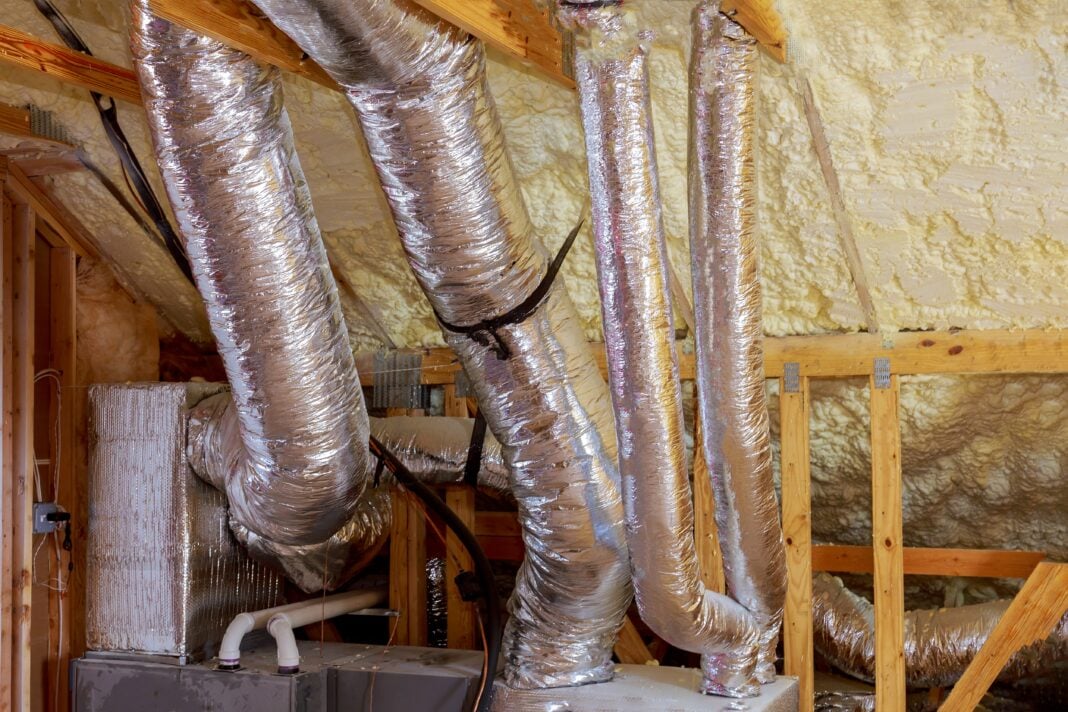
Living in Spanish Fork means experiencing a full spectrum of seasons, from scorching summer afternoons to biting winter mornings. While most homeowners think about how this weather affects their roofs, windows, or landscaping, few consider the impact it has on something hidden behind their walls and ceilings: their air ducts. Yet these seasonal swings can quietly wear down your ductwork, leading to inefficiencies, higher energy bills, and even indoor air quality issues.
Summer Heat and Expanding Ducts
When summer temperatures climb, the metal and materials that make up your air duct system expand. This constant cycle of heating during the day and cooling at night causes ducts to contract and expand repeatedly. Over time, this thermal stress can loosen joints, create small gaps, and weaken seals. Once your ducts develop these tiny openings, conditioned air starts leaking into your attic or crawl spaces instead of reaching the rooms where you need it most. The result? Your air conditioner works harder, your energy bills climb, and your home never quite feels as cool as it should.
Winter Cold and Duct Contraction
Spanish Fork winters bring the opposite challenge. As temperatures drop, ducts contract, which can also stress joints and connections, particularly if they were already weakened by summer expansion. Cold air infiltrating through gaps can mix with the warm air your furnace is working to circulate, making your heating system less efficient. Homeowners often notice certain rooms feel colder than others during winter, which is frequently a sign that ductwork isn’t delivering heat evenly throughout the house.
Humidity and Moisture Concerns
Between seasons, Spanish Fork experiences fluctuating humidity levels, especially during spring and fall transitions. When warm, moist air meets cooler duct surfaces, condensation can form inside the ductwork. Over time, this moisture buildup creates the perfect environment for mold and mildew growth. Not only does this compromise your indoor air quality, but it can also lead to musty odors circulating throughout your home every time your HVAC system runs.
Dust, Debris, and Seasonal Allergens
Utah’s seasonal winds can carry dust, pollen, and other debris into your home’s exterior vents and intake points. As the seasons change, these particles accumulate inside your ductwork, reducing airflow efficiency and potentially aggravating allergies for sensitive household members. Spring pollen and fall leaf debris are particularly notorious for finding their way into duct systems that aren’t properly sealed or maintained.
Signs Your Ductwork May Be Struggling
Keep an eye out for these common warning signs that seasonal weather has taken a toll on your air ducts:
- Uneven temperatures between rooms
- Rising energy bills without a clear explanation
- Visible dust buildup around vents
- Musty or stale odors when the HVAC system runs
- Whistling or rattling sounds coming from ductwork
If you notice any of these symptoms, it may be time to have your ducts inspected and sealed by a qualified technician.
Protecting Your Home Year-Round
Regular duct inspections, especially before the peak of summer and winter, can help catch small issues before they become expensive problems. Sealing leaks, cleaning accumulated debris, and ensuring proper insulation around ductwork in attics and crawl spaces are all effective ways to protect your system from Spanish Fork’s ever-changing climate.
Of course, even with the best maintenance routine, homes can still face unexpected issues from extreme weather, whether it’s a burst pipe from a hard freeze or water damage from a sudden storm. That’s where having the right homeowners insurance makes a real difference. A policy that’s easy to understand and quick to respond when something goes wrong gives you one less thing to worry about as the seasons change. With plans starting at just $25 a month and claims that can be filed entirely from your phone, protecting your home doesn’t have to be complicated, no matter what the Spanish Fork sky has in store.