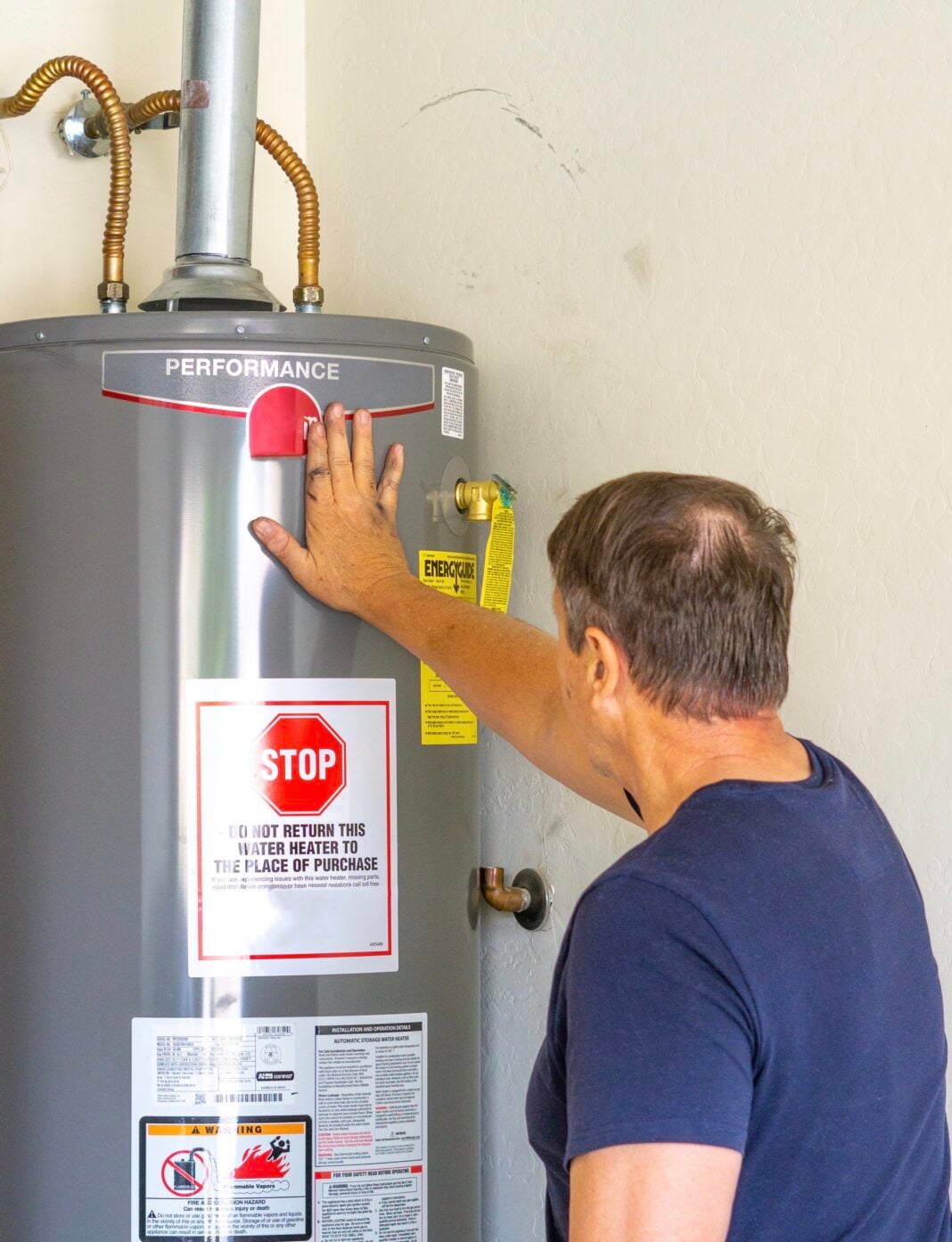
A failing water heater has a way of making itself known at the worst possible moment—usually with a cold shower or a puddle on the basement floor. When something goes wrong, the first question most homeowners ask is whether to repair the unit or replace it altogether. The answer depends on several factors, including the age of the heater, the cost of repairs, and how often problems have cropped up recently.
Consider the Age of Your Water Heater
Water heaters aren’t built to last forever. Tank-style units typically have a shorter lifespan than tankless models, and as they approach the end of their expected service life, the likelihood of a major breakdown increases. If your water heater is getting up there in years, it may be more cost-effective to replace it before it fails completely rather than pouring money into repairs for a unit that’s already on borrowed time.
Even if your current heater is still technically functioning, older units tend to lose efficiency over time. That means higher energy bills to produce the same amount of hot water. A newer, energy-efficient model could pay for itself over time through lower utility costs, in addition to offering more reliable performance.
Weigh the Cost of Repair Against Replacement
Not every issue requires a full replacement. Minor problems, such as a faulty heating element, a broken thermostat, or a small leak in a connecting pipe, can often be fixed quickly and affordably. If your water heater is relatively young and the repair is minor, fixing it is usually the smarter choice.
However, if the repair cost starts creeping toward what you’d pay for a brand-new unit, replacement becomes the more sensible option. A good rule of thumb: if the cost of repair is a significant percentage of the price of a new water heater, and the unit is already past its midlife point, replacement is usually the better long-term investment.
Watch for Warning Signs of Failure
Certain symptoms suggest that your water heater is nearing the end of its useful life, regardless of age. Rusty or discolored water, persistent rumbling or popping noises from the tank, and corrosion around the base of the unit all signal a problem that may not be worth repairing. Rust and corrosion, in particular, point to a storage tank that’s breaking down from the inside, and no repair can reverse that kind of structural damage.
Frequent repairs are another red flag. If you’ve called a technician more than once in the past year for the same unit, it’s often a sign that the water heater is on a downward spiral. Continuing to patch it may only delay—not prevent—the complete failure.
Think About the Risk of Water Damage
One of the most compelling reasons to replace an aging or failing water heater is to avoid the far greater cost of water damage. A tank that ruptures or develops a significant leak can flood a basement or utility closet in minutes, damaging flooring, walls, and personal belongings. Replacing a questionable unit proactively is almost always cheaper and less disruptive than dealing with the aftermath of a sudden failure.
This is also where having the right homeowners insurance matters. While routine wear and tear typically isn’t covered, sudden and accidental water damage—like what might result from a burst tank—often is, depending on your policy. It’s worth reviewing your coverage so you understand what’s protected before an issue arises.
Make the Decision with Confidence
Ultimately, the decision to repair or replace a water heater comes down to balancing age, repair costs, and the warning signs your unit is giving you. When in doubt, consulting a qualified plumber for an honest assessment can help you avoid unnecessary expenses or unexpected disasters.
And while you’re thinking about ways to protect your home, it’s a good time to make sure your homeowners insurance is keeping pace with your needs. Lemonade offers simple, fully digital homeowners coverage designed to protect your home and belongings, with fast claims when the unexpected happens.