Working from home sounds simple until you’re hunched over a laptop on the kitchen table, wondering why you can’t focus. A home office isn’t just a corner with a desk—it’s a system designed to support how you think, move, and work. Get the setup right, and productivity follows naturally. Get it wrong, and you’ll spend more energy fighting your environment than doing your actual job.
Start With Location, Not Furniture
Before buying anything, choose a dedicated space. This doesn’t require a spare room—a quiet nook away from foot traffic works fine. The goal is separation between “work mode” and “home mode.” If your brain associates one spot with focus and another with relaxation, you’ll transition into deep work faster and switch off more easily at the end of the day.
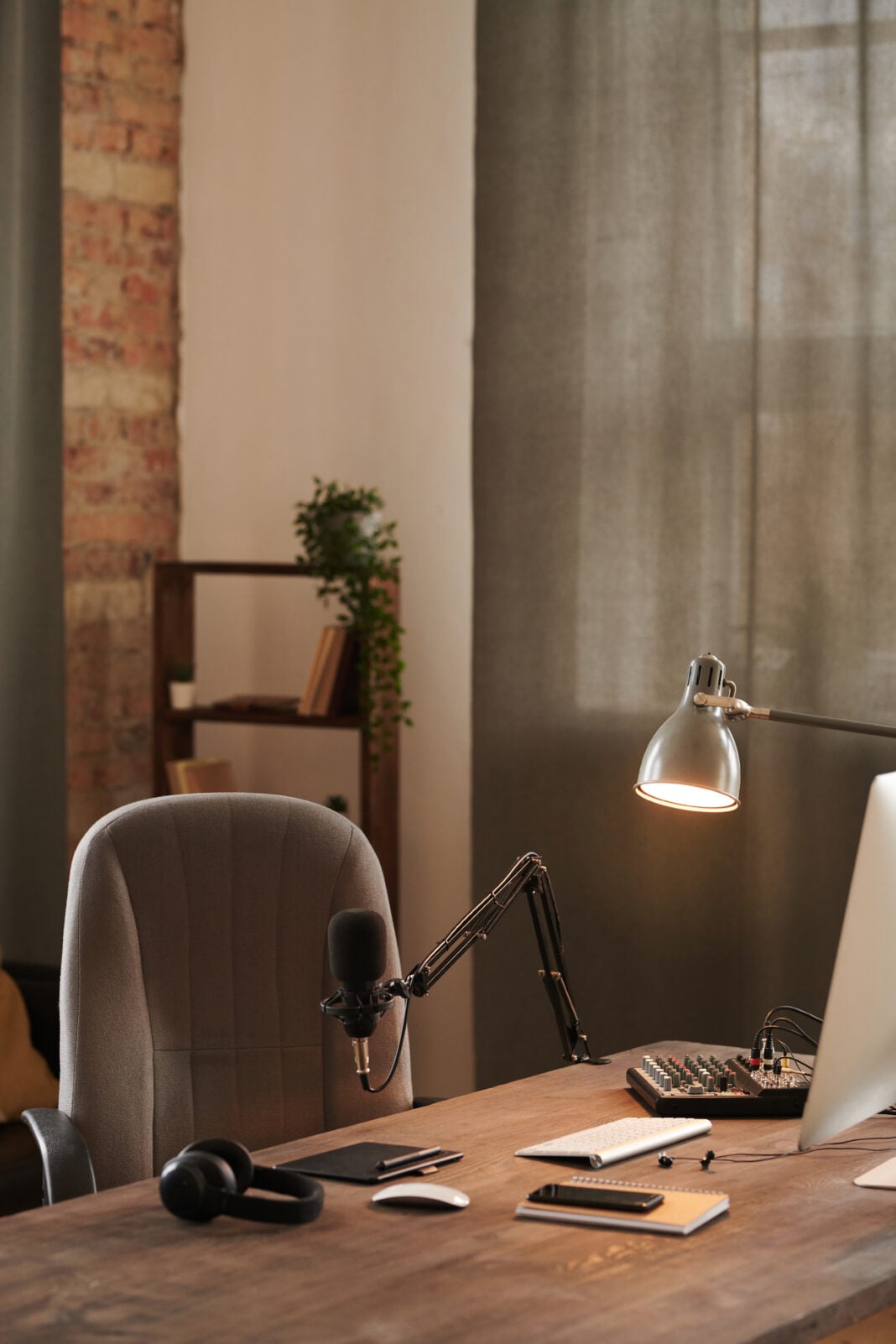
Natural light matters more than people expect. Position your desk near a window if possible; it reduces eye strain and helps regulate energy levels throughout the day. If natural light isn’t available, invest in warm, adjustable lighting rather than relying on harsh overhead fixtures.
Invest in the Right Furniture—Without Overcommitting
Furniture is where most home offices succeed or fail. A wobbly desk or an unsupportive chair will undermine even the best intentions. But buying high-quality ergonomic furniture outright can be expensive, especially if you’re not sure how your work setup will evolve.
This is where furniture rental becomes a smart alternative. Renting an ergonomic chair, a sit-stand desk, or storage units lets you test what actually works for your body and workflow before committing to a purchase. It’s especially useful if you’re working remotely temporarily, living in a space you don’t plan to stay in long-term, or simply want flexibility to upgrade your setup as your needs change. Furniture rental services have become increasingly accessible, making it easier to build a professional-grade office without the upfront cost or long-term commitment.
Whether you rent or buy, prioritize these basics:
- A supportive chair that keeps your spine aligned and reduces strain during long sitting periods.
- A desk at the right height, ideally adjustable, to support both sitting and standing postures.
- Adequate storage to keep paperwork and supplies organized and out of sight when not in use.
Minimize Distractions by Design
Productivity isn’t just about willpower—it’s about removing friction. Keep your workspace visually clean. Clutter pulls attention away from tasks, even when you’re not consciously aware of it. A simple rule: if it’s not related to work, it doesn’t belong on your desk.
Noise control matters too. If you’re in a shared household, consider noise-canceling headphones or a white noise machine. Even small barriers, like a closed door or a room divider, signal to others that you’re in focus mode.
Digital distractions deserve equal attention. Silence non-essential notifications during deep work blocks, and keep your phone out of arm’s reach when it’s not needed for the task at hand.
Personalize Without Overdoing It
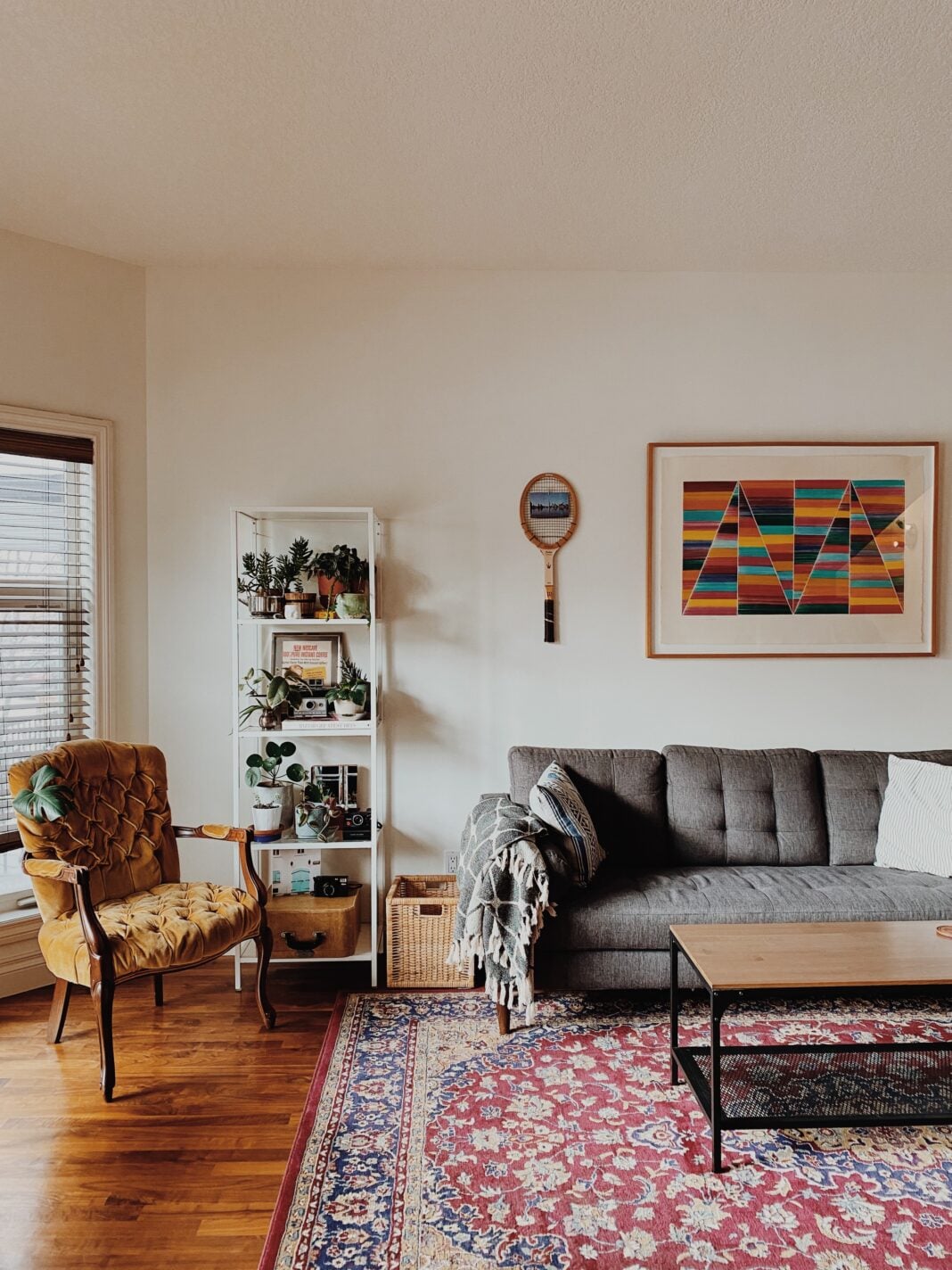
A home office should feel like somewhere you want to be. Add a plant, a piece of art, or a photo that brings you joy—personal touches can improve mood and reduce the sterile feeling many home offices have. That said, avoid turning your workspace into a catch-all for sentimental items or hobbies unrelated to work. The goal is a space that feels human, not one that competes for your attention.
Build Habits Around the Space
Even the best-designed office won’t boost productivity on its own. Pair your physical setup with simple habits: start each day by tidying your desk, set clear work hours, and take breaks away from your workspace to avoid burnout. The environment supports the habit, but the habit sustains the results.
Final Thoughts
Setting up a productive home office doesn’t require a massive budget or a complete room renovation. It requires intention—choosing the right location, investing in supportive furniture (whether purchased or rented), minimizing distractions, and building habits that reinforce focus. Start small, adjust as you learn what works, and your home office will become a space that genuinely supports the way you work best.