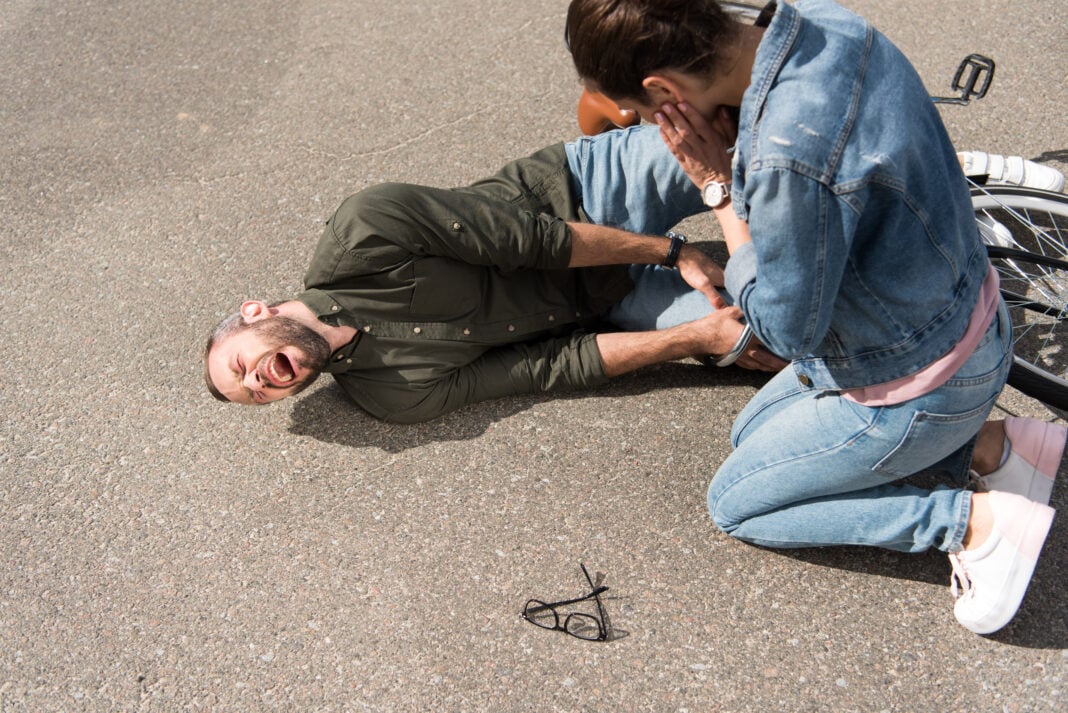
A trip to the mall shouldn’t end with a twisted ankle or a trip to the ER. But parking lots are busier—and more hazardous—than most shoppers realize. Potholes, poor lighting, icy patches, and reckless drivers all turn a routine errand into a potential injury. When an accident does happen, the question of who’s responsible isn’t always obvious.
Understanding Premises Liability
Shopping centers have a legal responsibility to keep their property reasonably safe for visitors. This concept, known as premises liability, means property owners and managers must identify hazards and either fix them or warn customers about them. A parking lot filled with cracked pavement, malfunctioning lights, or inadequate signage can quickly become a liability nightmare for the property owner.
If a customer trips on a broken curb or slips on an unsalted icy patch, the shopping center’s management company or ownership group may be held liable for failing to maintain safe conditions. The key factor courts consider is whether the property owner knew—or should have known—about the hazard and failed to address it within a reasonable timeframe.
When the Tenant Business Shares the Blame
Shopping centers often include multiple tenants, like a group of fitness instructors leasing studio space, a chain of coffee shops, or independent retailers each occupying their storefront. Liability doesn’t always rest solely with the property owner. If a specific business, say a fitness instructor’s studio, is responsible for maintaining the section of parking lot closest to its entrance, that tenant may share liability for an injury occurring there.
This is why lease agreements often spell out maintenance responsibilities between property owners and tenants. Determining liability after an accident often means reviewing these agreements closely to figure out who was contractually responsible for the area where the injury occurred.
The Role of Third-Party Contractors
Many shopping centers hire outside companies for landscaping, snow removal, or security. If a contractor fails to properly de-ice a lot or neglects to repair a pothole they were hired to fix, liability may shift toward that third party rather than the property owner or tenant businesses. This adds another layer of complexity, as injured customers—and their attorneys—must often investigate multiple parties before determining who’s truly at fault.
Why General Liability Insurance Matters
This is where general liability insurance becomes essential for every business operating within or around a shopping center. Whether you’re a boutique owner, a fitness instructor renting studio space, or a franchise operator, general liability insurance helps cover the costs associated with customer injuries, including medical expenses and legal fees if a lawsuit follows.
Without adequate coverage, a single slip-and-fall claim could threaten a small business’s financial stability. Property owners typically require tenants to carry their own general liability insurance as a condition of their lease, precisely because shared spaces like parking lots create shared risk.
Protecting Your Business From the Unexpected
Nobody plans for a customer to get hurt on their watch, but accidents happen in even the best-maintained properties. Having the right coverage in place means your business isn’t left exposed when a claim arises, regardless of whether the incident happened just outside your front door or across the shared lot.
Running a business inside a shopping center means sharing responsibility for customer safety with property owners, other tenants, and sometimes third-party contractors. Understanding where that responsibility lies—and making sure you’re covered when it doesn’t go your way—can save your business from a costly and stressful legal battle down the road.